Red Oak Leaf Lettuce
Lactuca sativa
Vibrant red leaves to beautify your garden and plate.- Excellent source of vitamin K, vitamin A, and folate for optimal cellular function
- Supports eye health and vision with high levels of lutein and zeaxanthin
- Anthocyanins provide anti-inflammatory properties that help reduce chronic disease risk

certified organic

Pays-Bas

Plant profile

Growing calendar
Growing tips
Sowing Conditions and Method for Red Oak Leaf Lettuce
Red oak leaf lettuce seeds can be sown directly in the open ground or started indoors under controlled conditions, depending on your climate and gardening goals. For successful germination, prepare a light, well-draining substrate rich in organic matter—a mixture of peat moss, coconut coir, and compost works exceptionally well for both greenhouse cultivation and vegetable garden beds. The ideal soil temperature for seed emergence ranges between 15°C and 20°C, making spring and early autumn optimal sowing windows. Plant seeds just beneath the soil surface, at a depth of approximately 5 to 10 millimeters, roughly equivalent to the thickness of two seeds stacked together. Water gently using a fine mist or spray to maintain consistent humidity without waterlogging, as excessive moisture may cause seed rot. Red oak leaf lettuce seeds require light for proper germination, so avoid burying them too deeply—a light covering of substrate is sufficient.
Germination Timeline and Care Until Transplanting
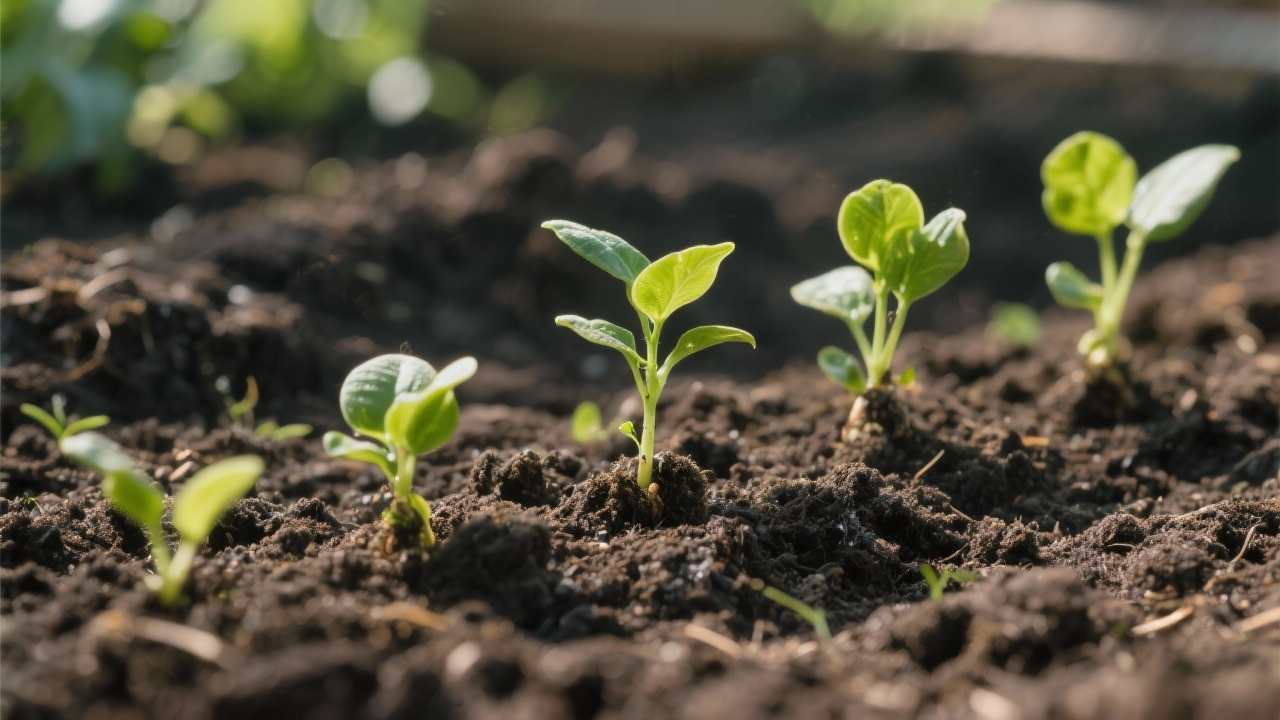
Seeds typically display emergence within 7 to 12 days under optimal conditions, though cooler temperatures may extend this period slightly. During this critical phase, maintain consistent substrate moisture and provide adequate light exposure—a greenhouse cultivation setup or bright windowsill ensures robust seedling development. Once seedlings develop their first true leaves, thin them or prepare for transplanting into individual pots to encourage healthy root systems. With proper gardening tips regarding light, temperature, and moisture management, young lettuce plants reach transplant-ready size within 3 to 4 weeks. This organic farming-friendly approach produces vigorous seedlings ready for either open field cultivation or continued protected growing, setting the foundation for beautiful, tender red oak leaf lettuce harvests.
Key takeaway
- Temperature : 15-20°C daytime, 10-15°C nighttime ideal
- Humidity : Moderate 50-70%, consistent soil moisture
- Light : Partial shade to filtered sunlight, 4-6 hours daily
- Transplanting : 3-4 true leaves, 7-10 cm tall
Preparing Soil and Seedlings for Red Oak Leaf Lettuce Planting
Red oak leaf lettuce thrives when planted during cool to mild seasons, ideally in spring or autumn when air temperatures range between 10–18°C and soil temperature reaches 12–15°C, ensuring frost risk has passed. Begin by preparing your vegetable garden bed through thorough weeding and loosening the top 20 centimeters of soil to improve root penetration and drainage. Incorporate mature compost or enriched organic soil into the prepared bed to boost nutrient content and water retention—essential for successful lettuce establishment. Before transplanting, acclimatize young seedlings outdoors for 7–10 days in a sheltered location, gradually exposing them to natural light and air movement. This hardening process strengthens seedling tissues and reduces transplant shock. Gently examine the root system and prune any tangled or excessively long roots to encourage lateral root development, then briefly soak the root ball in cool water to maximize hydration at planting time.
Planting Technique and Post-Planting Care for Red Oak Leaf Lettuce
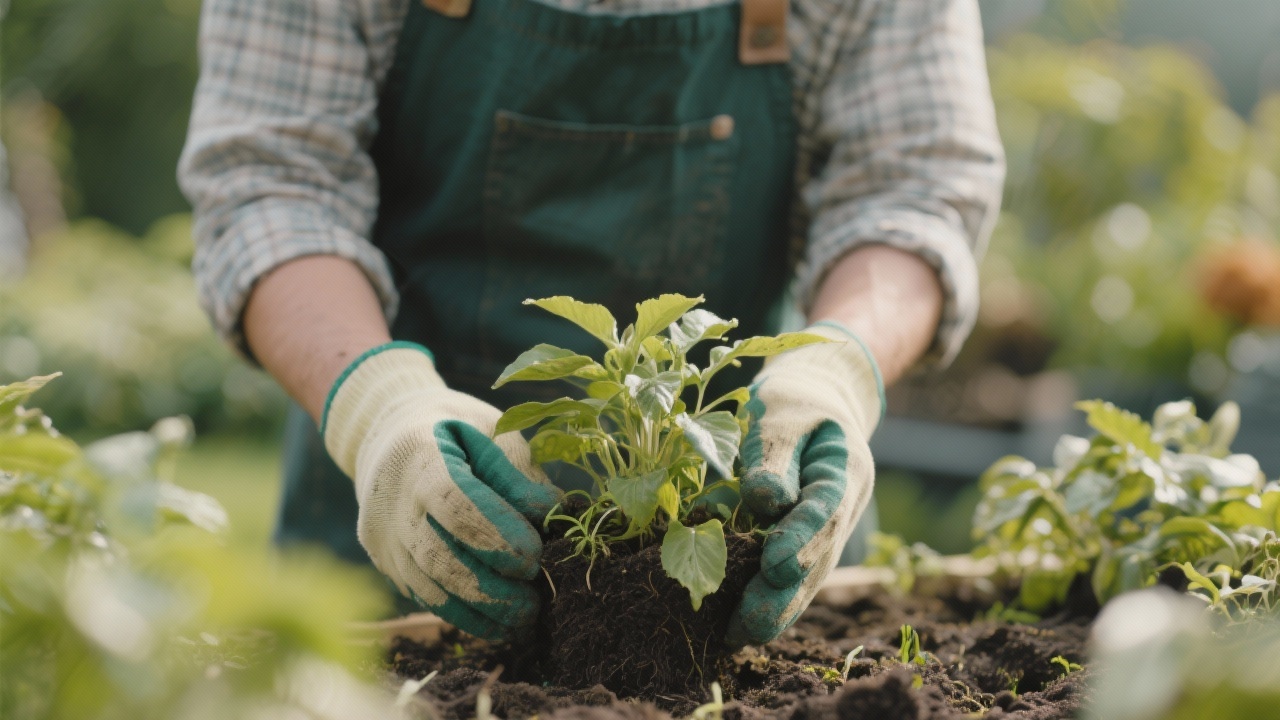
Plant red oak leaf lettuce seedlings at the same depth as their nursery containers, ensuring the collar—the junction between stem and roots—sits level with the soil surface; avoid burying leaves, which may rot. After positioning each seedling, lightly compact the surrounding soil and water thoroughly in a basin method to settle the substrate and eliminate air pockets. Space plants 20–25 centimeters apart in rows 30 centimeters apart to allow adequate light penetration and air circulation. Immediately apply a 2–3 centimeter layer of organic mulch—such as straw or compost—around each plant to conserve soil moisture, suppress weed competition, and maintain stable soil temperature. In exposed locations, consider installing a shade cloth or windbreak during establishment to protect tender foliage from harsh conditions and accelerate successful regrowth.
Key takeaway
- Depth : 1-2 cm shallow planting, barely cover seeds
- Espacement : 15-20 cm between plants, rows 30 cm apart
- Watering : Water gently after planting, keep soil consistently moist
- Mulching/ Protection / Protection : Light organic mulch, 2-3 cm to retain moisture
Managing Growth and Plant Vigor
Red oak leaf lettuce thrives with consistent irrigation management, requiring regular watering to maintain soil moisture at 60–70% capacity without waterlogging, which risks damping-off and root rot. Light, frequent watering—approximately 1.5 to 2 cm per week depending on climate—prevents water stress while keeping foliage crisp and tender. Organic fertilization should be applied in split doses: a balanced compost or vermicompost at the maintenance phase, supplemented with nitrogen-rich inputs such as diluted seaweed extract or comfrey tea every 2–3 weeks to sustain leaf quality. Essential cultivation operations include gentle hoeing to aerate soil and control weeds, coupled with organic mulching (straw or shredded leaves) to regulate soil temperature, conserve moisture, and suppress competing vegetation. Maintain adequate spacing between plants to ensure airflow and reduce fungal pressure. Red oak leaf lettuce requires no staking or pinching; simply monitor canopy density and remove any yellowed lower leaves to improve ventilation and maintain plant vigor throughout the growing season.
Health Protection and Environmental Balance
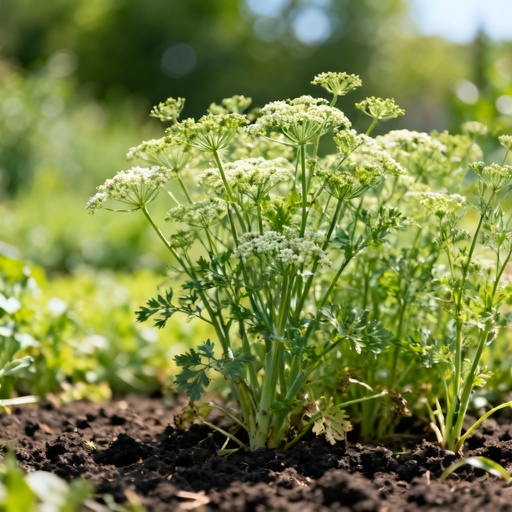
Effective health monitoring involves regular inspection for aphids, slugs, and powdery mildew—common threats signaled by curled leaves, slime trails, or white coating. Adopt integrated ecological protection by prioritizing prevention: ensure proper spacing, avoid overhead watering, and remove affected leaves promptly. Introduce soft interventions such as neem oil spray or encouraging natural predators before reaching treatment thresholds. Climate management proves critical—provide light afternoon shade in hot regions to prevent bolting, maintain humidity below 85% to minimize fungal disease, and protect from excessive wind that damages tender foliage. Implement strategic crop rotation, avoiding replanting lettuce in the same bed for 2–3 years, and practice intercropping with aromatic herbs like cilantro or dill to naturally deter pests and foster a balanced vegetable garden ecosystem that reduces dependency on interventions.
Key takeaway
- Typ of soil : Light, well-draining loam with rich organic matter, pH 6.0-6.8
- Care : Gentle cultivation, remove weeds weekly, add balanced compost monthly
- Watering : Keep soil consistently moist, water 2-3 times per week, 1-2 cm deep
- Prevention: Use 5-8 cm organic mulch, floating row covers against leaf pests
Harvest Time and Optimal Conditions for Red Oak Leaf Lettuce
Red oak leaf lettuce reaches harvest maturity approximately 45 to 60 days after transplanting, when the outer leaves display their characteristic deep burgundy coloration and achieve a length of 15 to 20 centimeters. The ideal harvest indicator is the presence of fully developed, tender leaves with crisp texture and vibrant color, signaling peak nutritional quality in this fresh vegetable. For optimal results in your vegetable garden, harvest during the early morning hours, ideally between 6 and 8 a.m., when plants have recovered overnight moisture and leaf turgor is at maximum. Avoid harvesting during rain or high humidity periods, as wet foliage increases disease risk and reduces storage longevity. Ambient temperatures between 10 and 15°C provide ideal conditions for picking. Red oak leaf lettuce supports successive harvesting through outer leaf removal, allowing continuous production over 3 to 4 weeks, with typical yields reaching 200 to 300 grams per plant under good agricultural practices.
Harvesting Methods and Post-Harvest Storage Protocol
Employ sharp, clean cutting tools—preferably sterilized pruning shears or a horizontal cutting knife—to harvest leaves at the base, minimizing plant damage and preventing oxidation of cut surfaces. Handle harvested leaves with care, placing them gently in ventilated containers rather than compacting them. Immediately after picking, rinse leaves under cool running water and remove damaged portions through careful sorting. Pre-cooling harvested lettuce within 30 minutes enhances shelf life significantly. Store fresh red oak leaf lettuce at temperatures between 0 and 4°C, maintaining relative humidity at 90 to 95 percent using sealed plastic bags with perforations or specialized crisper drawers. Under optimal storage conditions, leaves maintain quality for 7 to 10 days. For direct-to-consumer distribution, transport in insulated containers with ice packs, prioritizing swift delivery within 24 hours to preserve the vibrant appearance and crisp texture that characterize premium fresh vegetables.
Key takeaway
- Period : 45-60 days after planting, continuous harvest from spring to early fall
- Stage : Loose leaves 15-20 cm long, deep red color, before bolting
- Method : Cut outer leaves carefully with clean sharp scissors, leave center intact
- Storage : Refrigerate at 2-4°C, sealed container, consume within 5-7 days
Culinary Profile and Fresh Preparation Methods
Red oak leaf lettuce offers tender, ruffled leaves that form the edible heart of this garden vegetable, prized by home cooks for their delicate crisp texture and subtle, slightly peppery flavor with gentle undertones of earthiness. In the kitchen, these leaves are most appreciated raw in fresh salads, where their vibrant crimson-tinged edges add visual appeal and a pleasant crunch to mixed greens. The leaves' melt-in-the-mouth quality makes them equally suited to light sautéing over gentle heat for just one to two minutes, transforming into a silky side dish without losing their distinctive character. Red oak leaf lettuce pairs beautifully with vinaigrettes based on red wine or balsamic vinegar, citrus dressings, and aromatic herbs like tarragon or chervil. Its mild bitterness complements walnut oils, hazelnut oils, and creamy plant-based dressings, while working harmoniously alongside roasted vegetables, legumes, and fresh herbs in warm salad compositions.
Seasoning, Nutritional Value, and Storage Guide
Season this garden lettuce with cold-pressed oils, fresh lemon juice, sea salt, and freshly ground pepper to enhance its natural delicacy without overpowering tender leaves. Red oak leaf lettuce delivers vitamin A, folate, and dietary fiber, along with beneficial antioxidants that support overall wellness. The leaves are best enjoyed fresh and consumed shortly after harvest, as their crisp texture diminishes with time. For short-term storage, refrigerate unwashed leaves in a breathable container or paper towel-lined crisper drawer for up to five days, preserving their crunch and delicate structure. While freezing is not recommended for raw consumption, these leaves remain suitable for light cooking preparations when fresh supplies become limited. Lacto-fermentation offers an intriguing long-term preservation option for adventurous cooks seeking to develop complex, tangy flavor profiles.
Key takeaway
- Flavor Profile : Mild, slightly sweet, tender with delicate nutty undertones
- Classic Uses : Mixed salads, garnish, sandwich leaf, warm wilted salads
- Pairings : Balsamic vinaigrette, soft cheeses, berries, toasted nuts, shallots
- Storage : Refrigerate 4-5 days, store loosely in perforated bag
Companion plants