Butterhead Lettuce Four Seasons
Lactuca sativa
A hardy choice for season-long harvests.- Rich in vitamin K, folate, and vitamin A, supporting bone health and vision
- High water content promotes hydration and supports healthy weight management naturally
- Contains antioxidants that help reduce inflammation and protect against cellular damage

certified organic

Pays-Bas


Plant profile

Growing calendar

Growing tips
Sowing Method and Environmental Conditions
The Laitue Pommée Merveilles des 4 Saisons is a versatile lettuce variety that adapts well to both greenhouse cultivation and open field sowing, making it ideal for year-round vegetable garden production. For optimal results, prepare a light, well-draining substrate composed of peat or coconut coir mixed with perlite to ensure excellent aeration and moisture retention without waterlogging. The ideal soil temperature for sowing ranges between 15 and 20°C, though the seeds will germinate in cooler conditions during spring. Sow the tiny seeds directly into the prepared substrate at a shallow depth of approximately 0.5 centimeters—roughly equivalent to the thickness of the seed itself. Water gently using a fine mist or spray to maintain consistent humidity without creating standing water, which could cause damping-off disease. Unlike some vegetables, lettuce seeds are photoblastic and require light for germination, so avoid covering them completely with soil.
Germination Progress and Care Until Transplanting
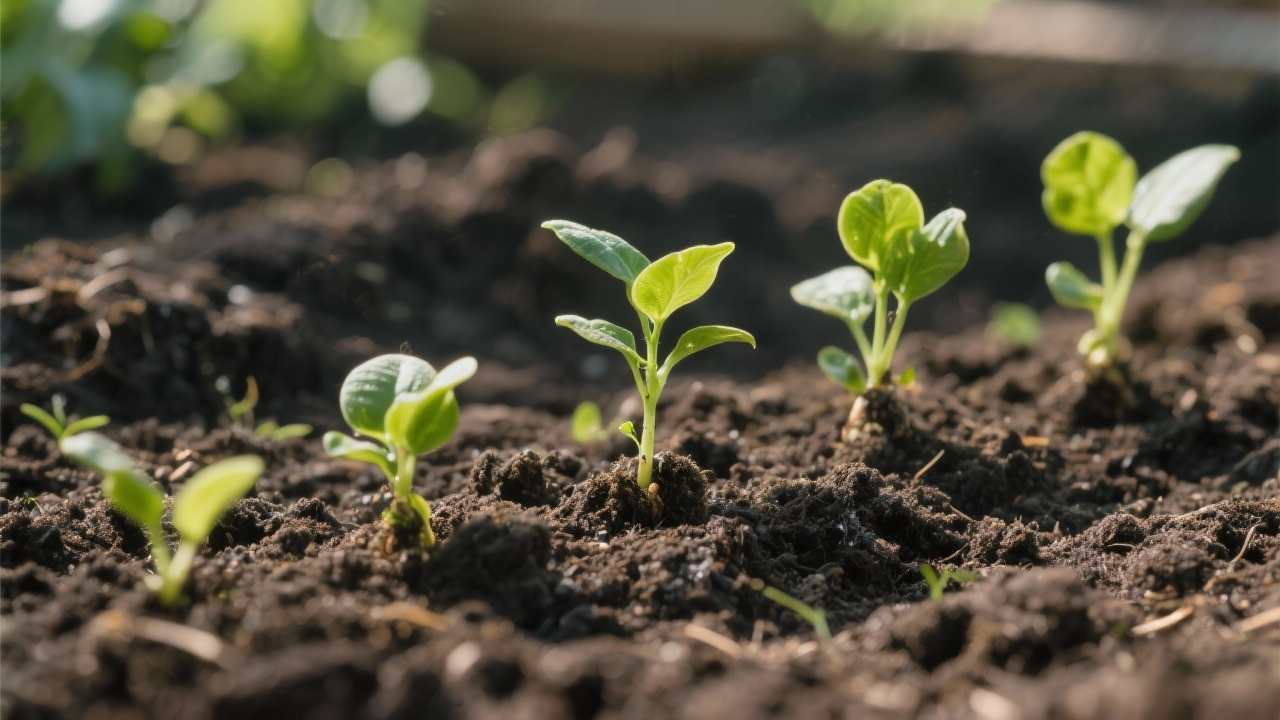
Emergence typically occurs within 7 to 10 days under proper conditions, though this timeline may extend in cooler temperatures characteristic of early spring or autumn sowing. Throughout the germination phase, maintain consistent substrate moisture and ensure seedlings receive adequate natural or artificial light to prevent leggy growth. In organic farming contexts, monitor for pests and diseases regularly, keeping the seedbed well-ventilated to promote healthy development. Once the first true leaves appear, thin seedlings if necessary to prevent overcrowding. Seedlings are typically ready for transplanting into individual pots or the vegetable garden within 4 to 6 weeks, when they develop 3 to 4 true leaves and a sturdy root system capable of handling field conditions.
Key takeaway
- Temperature : 10-18°C, avoid temperatures above 20°C
- Humidity : Moderate to high, consistent soil moisture
- Light : Partial shade, 4-6 hours indirect sunlight daily
- Transplanting : When 3-4 true leaves have developed
Conditions and Preparation for Planting Butterhead Lettuce Four Seasons
Butterhead Lettuce Four Seasons thrives when planted during mild seasons—spring and autumn are ideal, with soil temperatures between 10–18°C and air temperatures ranging from 12–20°C. Ensure the planting site is free from frost risk, as young seedlings are sensitive to cold snaps. Begin soil preparation by thoroughly weeding the planting bed and loosening the upper 15–20 cm of soil to improve root penetration and drainage. Incorporate mature compost or enriched organic soil at a rate of 2–3 cm depth, mixing it evenly to create a nutrient-rich substrate. Before transplanting, acclimate seedlings for 7–10 days by gradually exposing them to outdoor light and temperature fluctuations, hardening the young plants for field conditions. On planting day, gently soak the root ball in clean water for 15–20 minutes to hydrate the roots fully. If roots are tightly wound or circling, carefully prune or loosen them with your fingertips to encourage outward growth and better soil contact in the vegetable garden.
Planting and Installing Butterhead Lettuce Four Seasons Seedlings
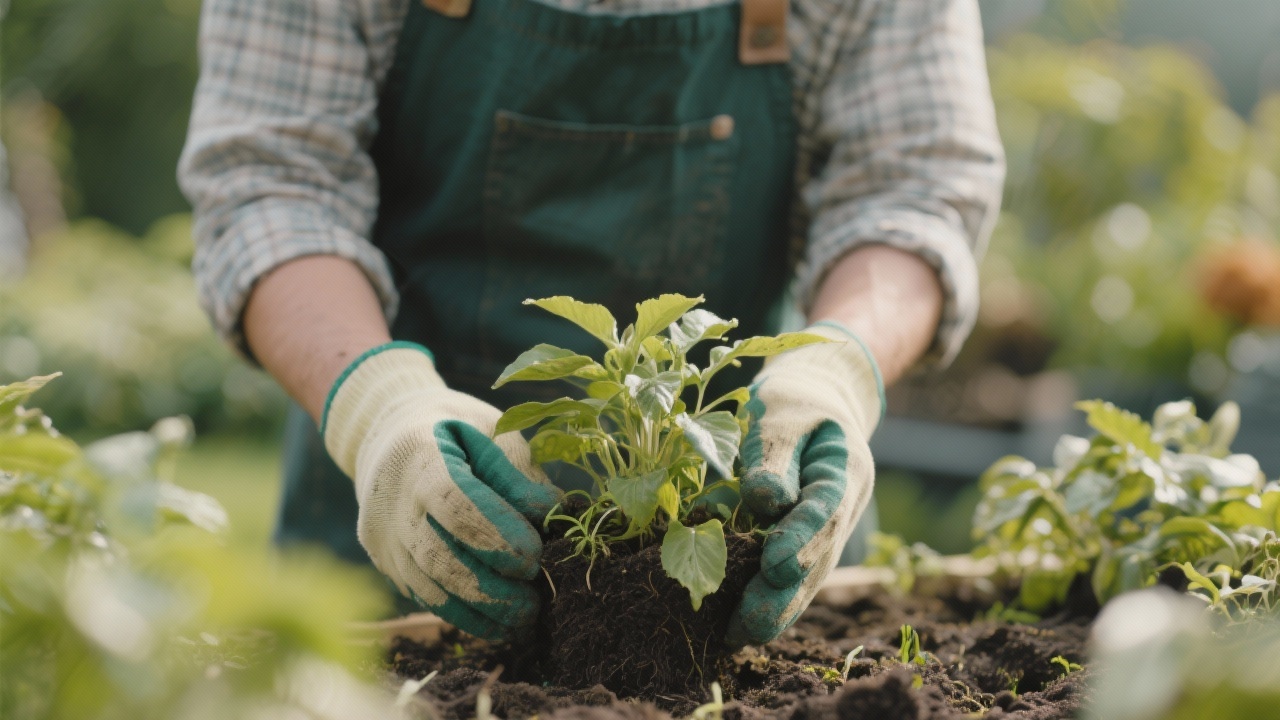
Plant seedlings so the collar (where stem meets root) sits level with the soil surface—neither buried nor exposed. Create individual planting holes matching the root ball diameter, then gently position each seedling and lightly firm the soil around it without compacting heavily. Immediately water in a gentle basin around the base of each plant to eliminate air pockets and settle the soil. Space plants 25–30 cm apart in rows, with 30–40 cm between rows, allowing adequate airflow for healthy vegetable production and organic farming practices. Apply 5–8 cm of mulch (straw or compost) around each seedling, keeping it 5 cm away from the stem to reduce evaporation, suppress weed competition, and maintain consistent soil moisture during establishment. In regions with intense sun or strong winds, consider temporary shade cloth or a windbreak for the first 5–7 days post-planting to reduce transplant stress and ensure successful regrowth in your organic garden.
Key takeaway
- Depth : 1-2 cm, shallow planting in loose soil
- Espacement : 20-25 cm between plants, 30-40 cm rows
- Watering : Water gently after planting, keep soil consistently moist
- Mulching/ Protection / Protection : Light organic mulch, 3-5 cm to retain moisture
Managing plant growth and vigor
Butterhead lettuce Four Seasons thrives with consistent irrigation management, requiring regular watering to maintain soil moisture at 60–70% field capacity without creating waterlogged conditions that encourage root diseases. Water deeply 2–3 times weekly, adjusting frequency based on temperature and rainfall, aiming for 25–30 mm per week during active growth. Organic fertilization should begin 3–4 weeks after establishment, using balanced inputs such as compost tea, seaweed extract, or pelleted poultry manure applied every 2–3 weeks to support steady leaf development. Perform regular hoeing and weeding every 10–14 days to eliminate competing plants and improve soil aeration around the root zone, while maintaining careful spacing of 20–25 cm between plants. Apply a 3–4 cm layer of mulch—straw or compost—to regulate soil temperature, conserve moisture, and suppress weed pressure. This variety rarely requires pinching or staking, though removing outer damaged leaves maintains plant vigor and improves air circulation around the heart of the head.
Health protection and environmental balance
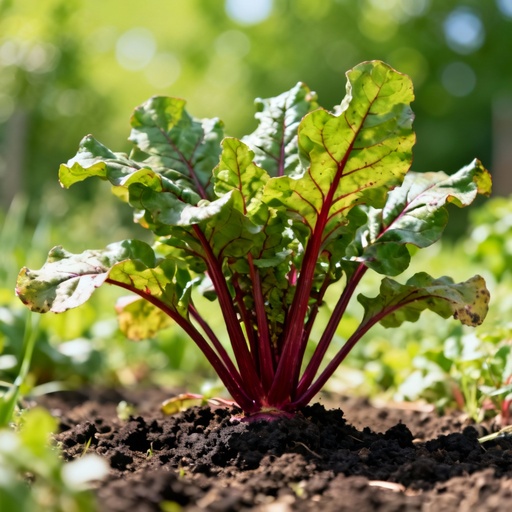
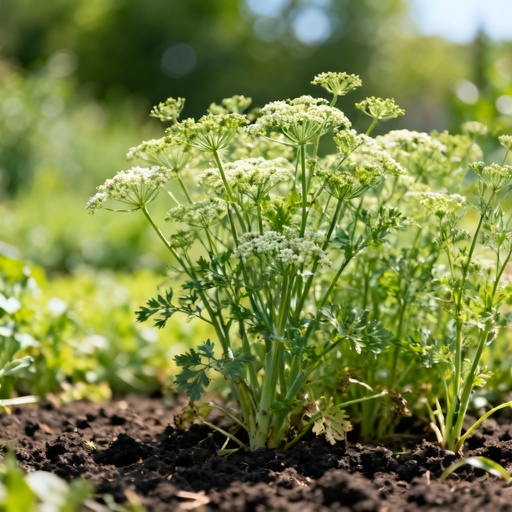
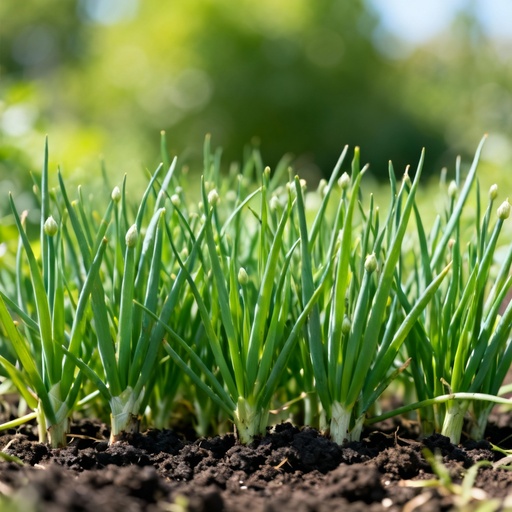
Monitor plants weekly for early signs of fungal diseases such as downy mildew or grey mold, identifiable by leaf spotting or wilting, and adjust humidity by improving ventilation in sheltered areas. Common garden pests including aphids and slugs can be managed through integrated pest management—encouraging beneficial insects, hand-picking, or applying neem oil only when populations exceed economic thresholds. Maintain optimal growing conditions with temperatures between 15–18°C and moderate humidity to minimize disease pressure. Crop rotation is essential; avoid planting lettuce in the same bed for at least 2–3 years to break pest and disease cycles. Intercropping with aromatic herbs like chervil or cilantro enhances ecological balance and creates a more resilient vegetable garden. This preventative approach—combining sustainable practices with vigilant observation—ensures healthy, vigorous plants throughout the season while minimizing chemical interventions.
Key takeaway
- Typ of soil : Light, well-draining loam with rich organic content, pH 6.0-6.8
- Care : Gentle hoeing, weekly weed control, moderate nitrogen-rich compost monthly
- Watering : Consistent moisture, water 2-3 times weekly, 25-35mm per week
- Prevention: Mulch 5-8 cm, shade cloth during heat, rotate crop locations
Harvest Time and Optimal Picking Conditions
Butterhead Lettuce Four Seasons reaches harvest maturity approximately 60 to 75 days after transplanting, when the plant develops a characteristic dense, tender head with a creamy yellow heart visible at the centre. The ideal indicator of ripeness is a firm yet supple head that yields slightly to gentle pressure, signalling optimal leaf texture and freshness. For best results in your vegetable garden, harvest during early morning hours when temperatures are coolest and humidity levels are naturally elevated, ensuring maximum crispness and water content in the leaves. Avoid picking during intense afternoon heat or after rain, as excess moisture can accelerate deterioration. A single plant typically yields one substantial head per season, though successive harvesting of outer leaves is possible before final cutting. Yields range from 250 to 400 grams per head under optimal growing conditions, providing a reliable supply of fresh fruit and vegetables for domestic consumption or small-scale distribution.
Harvesting Methods and Post-Harvest Handling
Harvest using a sharp knife or pruning shears, cutting the stem cleanly just above soil level to prevent bruising and oxidation of exposed tissues. Handle harvested heads with care, supporting them gently to avoid crushing delicate outer leaves, and place immediately in clean, food-grade containers. Sort promptly, removing any damaged or yellowed leaves according to good agricultural practices standards. Pre-cooling in ambient-temperature water for 15 to 20 minutes enhances crispness without shocking the tissue. Store at 2 to 4°C with 95% relative humidity in perforated plastic bags or ventilated crates, maintaining optimal conditions for 7 to 10 days. Transport harvested produce swiftly using refrigerated or insulated containers to preserve quality during short-distance delivery, minimizing post-harvest losses and ensuring consumers receive premium, fresh vegetables.
Key takeaway
- Period : 45-60 days after planting, cool weather months (spring/fall)
- Stage : Compact head, 15-20 cm diameter, leaves soft and tender
- Method : Cut whole head at base with sharp knife, leave root intact
- Storage : Refrigerate at 0-4°C, sealed container, consume within 5-7 days
Taste Profile and Culinary Versatility
Butterhead Lettuce Four Seasons showcases tender, buttery leaves with a delicate, slightly sweet flavor and a sublime melt-in-the-mouth texture that sets it apart from crisphead varieties. The edible leaves form a loose, compact head with outer leaves displaying attractive green and burgundy hues, while the inner heart remains pale and exceptionally tender. This garden vegetable excels when served raw in salads, where its mild taste and silky leaves provide an elegant foundation for vinaigrettes, citrus dressings, and herb infusions. The butterhead's gentle flavor pairs beautifully with delicate culinary combinations—think fresh herbs like chervil and tarragon, subtle vinegars such as white wine or sherry, and light oils like walnut or hazelnut. Beyond raw preparations, the outer leaves can be gently wilted in a warm pan with butter and garlic, or used as wraps for fresh fillings in vegetable-based dishes. The inner heart, exceptionally tender, remains best enjoyed fresh to preserve its crisp yet creamy texture.
Seasoning, Nutrition, and Fresh Storage
Season butterhead lettuce simply with quality extra virgin oil, fresh lemon juice, and sea salt to honor its delicate profile, or enhance with soft herbs like parsley and chives. This garden green delivers vitamins A, C, and K, alongside folate and manganese, while remaining low in calories and rich in fiber for digestive wellness. The leaves' natural sweetness requires minimal cooking time—mere seconds in gentle heat prevents bitterness and preserves nutritional value. For optimal storage, wrap unwashed leaves loosely in breathable cloth and refrigerate for up to ten days, preserving crispness and flavor. The tender nature of butterhead varieties makes freezing unsuitable, though lacto-fermentation offers an intriguing preservation method for adventurous home cooks exploring fermented vegetables.
Key takeaway
- Flavor Profile : Silky, buttery, mild sweetness with tender melt-in-mouth leaves
- Classic Uses : Salads, lettuce wraps, sandwich layering, spring rolls
- Pairings : Dijon vinaigrette, chives, soft cheese, smoked fish, citrus
- Storage : Refrigerate 5-7 days, store whole with root end in water

Companion plants