Butterhead Lettuce Suzane
Lactuca sativa
A melt-in-your-mouth, buttery delight.- Rich in vitamin K, folate, and vitamin A, supporting essential body functions and vision health
- High water content promotes hydration, aids digestion, and supports healthy weight management naturally
- Contains antioxidants that help reduce inflammation and protect cells from oxidative stress damage

certified organic

Pays-Bas


Plant profile

Growing calendar


Growing tips
Sowing Conditions and Method for Laitue Pommée Suzane
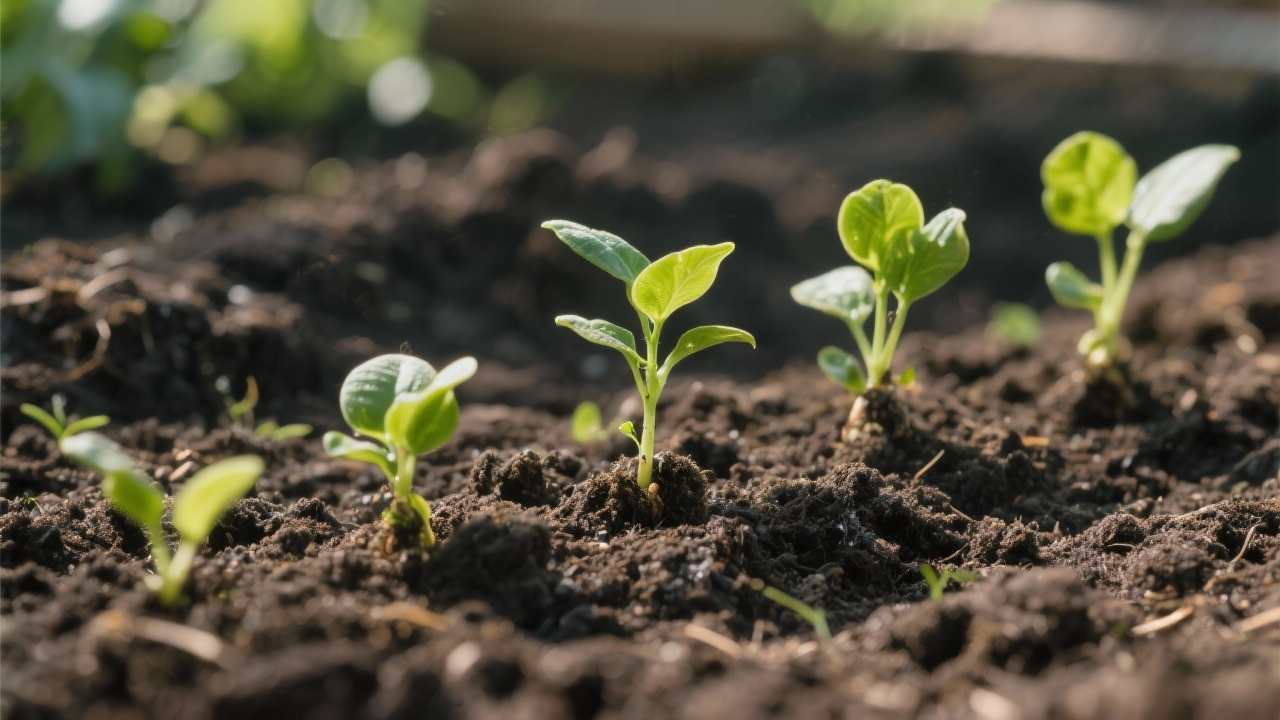
Laitue Pommée Suzane seeds can be sown directly in open field cultivation or started indoors for later transplanting, depending on your climate and gardening goals. Prepare a quality substrate with good drainage characteristics—a light, crumbly mixture combining peat, coconut coir, and perlite works excellently for greenhouse cultivation or seed trays. The soil temperature should ideally range between 15°C and 18°C for optimal germination, though this lettuce variety tolerates cooler conditions. Sow seeds at a shallow depth of approximately 0.5 centimeters, roughly equivalent to twice the seed's diameter, pressing them gently into the moist substrate without burying them deeply. Moisture management is critical during the sowing phase—use a fine spray or misting method to keep the substrate consistently humid without waterlogging, as lettuce seeds need moisture for emergence but are prone to rot in soggy conditions. Light exposure supports germination, so avoid covering seeds with soil; instead, ensure they maintain contact with the substrate surface.
Germination Timeline and Growth Monitoring
Seed emergence typically occurs within 7 to 10 days under proper conditions, making Laitue Pommée Suzane a relatively quick-germinating variety ideal for organic farming and home vegetable garden projects. During this critical period, maintain consistent humidity levels and monitor seedlings closely for any signs of damping-off disease. Once true leaves appear—usually 2 to 3 weeks after sowing—reduce moisture slightly and ensure adequate air circulation to strengthen seedlings. When plants develop 3 to 4 true leaves, they are ready for transplanting into larger containers or directly into garden beds, depending on your cultivation method. Throughout this gardening phase, keep temperatures steady between 12°C and 16°C, as warmer conditions may trigger premature bolting. Proper light exposure during the seedling stage prevents leggy growth and ensures robust, healthy plants ready for successful field establishment.
Key takeaway
- Temperature : 10-18°C cool temperatures, avoid heat stress
- Humidity : Moderate 50-70%, consistent soil moisture
- Light : Partial shade to full sun, 4-6 hours daily
- Transplanting : 3-4 true leaves, 10-15 cm tall
Conditions and Preparation for Planting Butterhead Lettuce Suzane
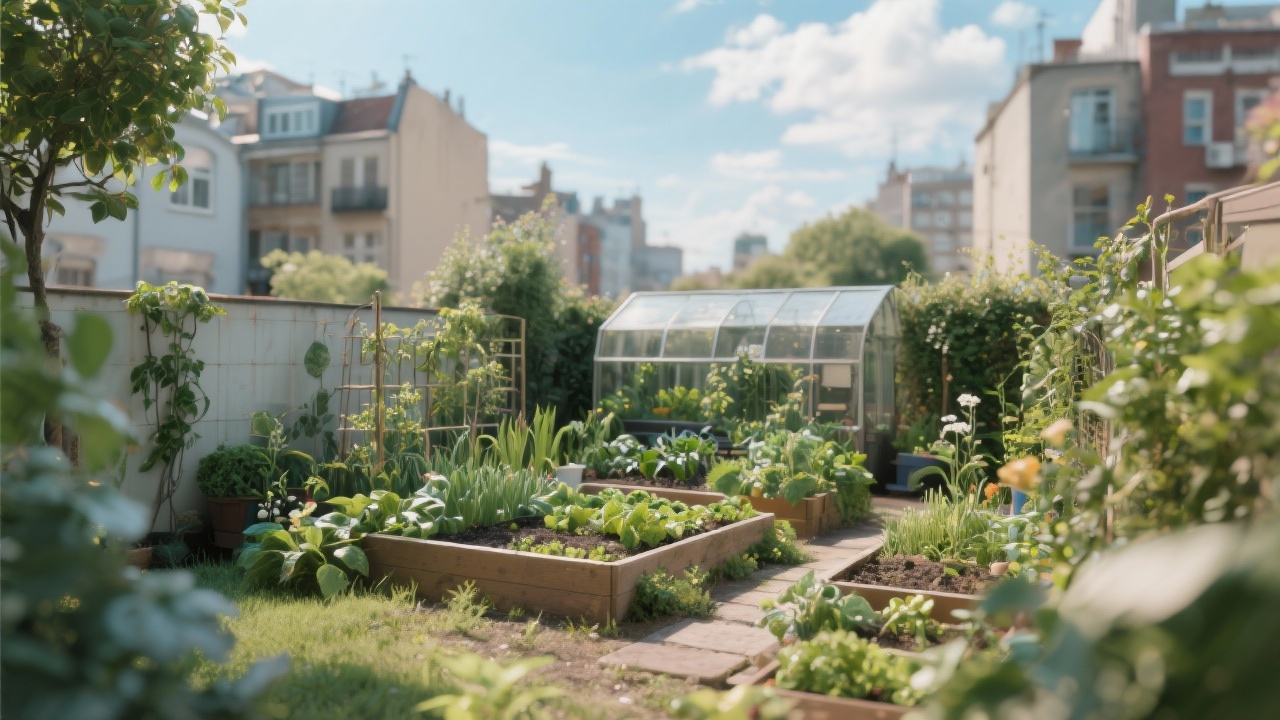
Butterhead Lettuce Suzane thrives when planted during spring or autumn, when air temperatures range between 15–20 °C and soil temperatures stabilize above 10 °C, ensuring frost-free conditions for optimal seedling establishment. Begin by preparing your vegetable garden bed through thorough weeding and loosening the soil to a depth of 20–25 cm, incorporating mature compost or enriched organic substrate to enhance water retention and nutrient availability. Before transplanting, acclimatize your young lettuce seedlings to outdoor conditions over 7–10 days by gradually exposing them to direct sunlight and ambient air, a critical step for reducing transplant shock and promoting vigorous regrowth. When seedlings reach the appropriate size, gently prune or rinse the roots under cool water to remove excess growing medium and encourage new root development upon contact with garden soil, a simple yet effective technique for stimulating successful establishment in your vegetable patch.
Planting and Installing the Butterhead Lettuce Suzane Seedling
Position each seedling so the collar (the junction between stem and roots) sits exactly at soil level, avoiding burial of the lowest leaves, which could promote rot in organic farming systems. After placement, gently compact the surrounding soil and immediately apply basin watering to settle the substrate around the roots without waterlogging. Space plants 25–30 cm apart within rows and maintain 30–35 cm between rows to allow adequate air circulation and facilitate future vegetable garden maintenance. Apply a 2–3 cm mulch layer of straw or organic matter around each plant to suppress weed competition and minimize soil evaporation, critical for consistent moisture during the early planting phase. In exposed locations or during intense sunlight periods, consider installing shade cloth temporarily to protect young lettuce seedlings while they establish their root systems in your garden.
Key takeaway
- Depth : 1-2 cm, shallow sowing in loose soil
- Espacement : 20-25 cm between plants, rows 30-40 cm apart
- Watering : Water gently after planting, keep soil consistently moist
- Mulching/ Protection / Protection : Light organic mulch, 2-4 cm thick to retain moisture
Managing Plant Growth and Vigor
Butterhead Lettuce Suzane thrives with consistent irrigation management, requiring regular watering to maintain evenly moist soil without waterlogging—typically 1.5 to 2.5 cm of water per week depending on climate conditions. This prevents water stress that compromises head formation and encourages premature bolting. Apply water at soil level during early morning hours to minimize foliar wetness and disease pressure. Organic fertilization should be split across the growing season: incorporate well-aged compost or decomposed manure at cultivation onset, then supplement with balanced organic inputs rich in nitrogen during the vegetative phase to support leaf development. Regular hoeing between plants controls emerging weeds while improving soil aeration, a critical practice for preventing root compaction. Applying organic mulch—such as straw or shredded plant material—around plants maintains soil moisture, regulates temperature fluctuations, and suppresses unwanted vegetation. Maintain adequate spacing to ensure air circulation and reduce fungal complications. Butterhead varieties typically require no pinching or staking; focus instead on consistent maintenance of growing conditions that promote tight, uniform head formation.
Health Protection and Environmental Balance
Monitor plants regularly for aphids, slugs, and downy mildew—common lettuce challenges—through early detection of discolored leaves, wilting, or visible pest colonies. Adopt integrated pest management by encouraging beneficial insects, employing physical barriers when thresholds are exceeded, and applying organic solutions such as neem oil or insecticidal soap only when necessary. Maintain optimal humidity and air circulation by avoiding overhead watering and spacing plants appropriately; excessive moisture invites fungal diseases. Crop rotation is essential: avoid planting butterhead lettuce in the same bed for consecutive seasons, rotating instead with nitrogen-fixing legumes or brassicas to break pest and disease cycles. Intercropping with aromatic herbs or companion plants enhances ecological balance and supports natural pest suppression. Monitor temperature extremes, as sustained heat above 20°C may trigger bolting; provide gentle afternoon shade during peak summer months. These preventative measures, grounded in ecological gardening principles, maintain plant vigor while minimizing chemical interventions.
Key takeaway
- Typ of soil : Light, well-draining loam with neutral pH (6.0-7.0), rich organic matter
- Care : Gentle weeding, regular surface cultivation, balanced organic compost monthly
- Watering : Consistent moisture, water 2-3 times weekly, 25-35mm per session
- Prevention: Mulch 5-8cm, use floating row covers, practice crop rotation
Harvest Time and Optimal Conditions
Butterhead Lettuce Suzane reaches harvest maturity approximately 55 to 70 days after transplanting, when the head develops a firm yet tender texture with characteristically folded, buttery leaves. Ripeness is confirmed by gently squeezing the head—a properly mature specimen yields slightly to pressure without feeling soft or waterlogged. The optimal harvest window occurs in early morning hours, between 6 and 9 a.m., when plants are fully hydrated and ambient temperatures remain cool, typically between 10 and 15°C. This timing preserves cellular turgidity and extends the shelf life of fresh fruit and vegetables. Harvesting during warm afternoons or under direct sunlight accelerates moisture loss and enzymatic degradation. In well-managed vegetable gardens following good agricultural practices, each plant yields a single, compact head weighing 300 to 500 grams. Frequency depends on garden scale and market demand; home gardeners typically harvest entire plants at once, while commercial operations may practice successive picking over several weeks.
Harvesting Methods, Handling, and Storage
Use a sharp knife or cutting tools sterilized with dilute bleach solution to sever the head cleanly at the base, minimizing damage and oxidation of cut surfaces. Handle harvested heads with clean hands, placing them directly into food-grade containers lined with breathable cloth to prevent bruising. Implement immediate sorting to remove any yellowed or damaged outer leaves, maintaining sanitary conditions throughout. Pre-cooling within two hours of harvest optimizes preservation; place heads in a cool room maintained at 0–2°C with relative humidity between 95 and 98 percent. Under these conditions, Butterhead Lettuce Suzane maintains quality for 10 to 14 days, though consumption within 7 days ensures peak freshness and nutritional value. Store away from ethylene-producing fruits to prevent premature senescence. For short-distance transport to local markets, use insulated containers with ice packs, minimizing temperature fluctuation and preserving the delicate texture characteristic of this premium variety within organic farming systems.
Key takeaway
- Period : 45-60 days after planting, 6-8 weeks harvest window
- Stage : Compact head, 15-20 cm diameter, soft green leaves fully formed
- Method : Cut outer leaves or entire head at base, use sharp scissors
- Storage : Refrigerate 0-4°C, high humidity, perforated bag, consume within 5-7 days
Delicate Flavor and Versatile Culinary Applications
Butterhead Lettuce Suzane captivates with its tender, pale green leaves that form a loose, voluminous head—the edible portion prized by home cooks and gardeners alike. The flavor profile is distinctly mild and buttery, with a delicate, melt-in-the-mouth texture that distinguishes it from crisphead varieties. This garden vegetable shines brightest when eaten raw in salads, where its subtle sweetness and silky leaves become the canvas for vinaigrettes infused with shallots, Dijon mustard, and walnut oil. The outer leaves, slightly more robust, tolerate gentle wilting in warm oil for just moments, while inner leaves remain ethereal and cold. Butterhead Suzane pairs beautifully with delicate herbs—chervil, tarragon, and chives—as well as citrus dressings, creamy plant-based emulsions, and light fish preparations. Its neutral flavor backbone makes it an ideal vehicle for umami-rich ingredients like aged balsamic or miso-based dressings.
Seasoning, Nutrition, and Optimal Storage
Season Butterhead Suzane with extra virgin olive oil, lemon juice, or champagne vinegar to enhance its natural delicacy without overwhelming. Nutritionally, this fresh vegetable delivers vitamins A and K, folate, and antioxidants, alongside dietary fiber and minerals—all with minimal calories. The leaves contain no heat-stable toxins, making them entirely safe for raw consumption without concern. For short-term storage, wrap the head loosely in damp paper towels and refrigerate for up to one week, preserving crispness and flavor. Freezing is not recommended, as the tender structure collapses upon thawing. Lacto-fermentation offers an intriguing alternative for adventurous cooks seeking probiotic-rich preparations, though traditional cold storage remains ideal for maintaining this delicate garden vegetable's characteristic silken mouthfeel and refreshing taste.
Key takeaway
- Flavor Profile : Tender, buttery, mildly sweet with a smooth delicate texture
- Classic Uses : Green salads, wraps, soft tacos, garnish, light appetizers
- Pairings : Lemon dressing, cream cheese, herbs, radishes, smoked trout
- Storage : Refrigerate 5-7 days, wrap root in damp paper towel

Companion plants