Mesclun Mix
Lactuca sativa
Enjoy an endless harvest of gourmet salad greens.Dispo. en Octobre
- Packed with vitamins A, C, K, folate, iron, and calcium from diverse young greens
- Supports digestive health with high fiber content and promotes healthy weight management
- Rich in antioxidants and phytonutrients that help reduce inflammation and oxidative stress

certified organic


Plant profile

Growing calendar



Growing tips
Sowing Conditions and Method for Mesclun
Mesclun, or Lactuca sativa, is best sown directly in the open field or under protective cover such as a greenhouse or cold frame, depending on your climate and season. This vegetable garden favorite thrives in loose, well-draining substrate enriched with organic matter, which promotes healthy root development and prevents waterlogging. The ideal soil temperature for optimal germination ranges between 12°C and 20°C, making mesclun perfect for spring and autumn sowing. Simply scatter the tiny seeds directly onto moistened soil and cover them with a thin layer—approximately the thickness of the seed itself—or leave them exposed to light, as mesclun seeds benefit from slight illumination during emergence. Water gently using a fine mist or soft spray to maintain consistent humidity without creating puddles that could cause seed rot. In organic farming practices, this method ensures a clean, chemical-free crop from the very beginning.
Germination Progress and Care Until Harvest
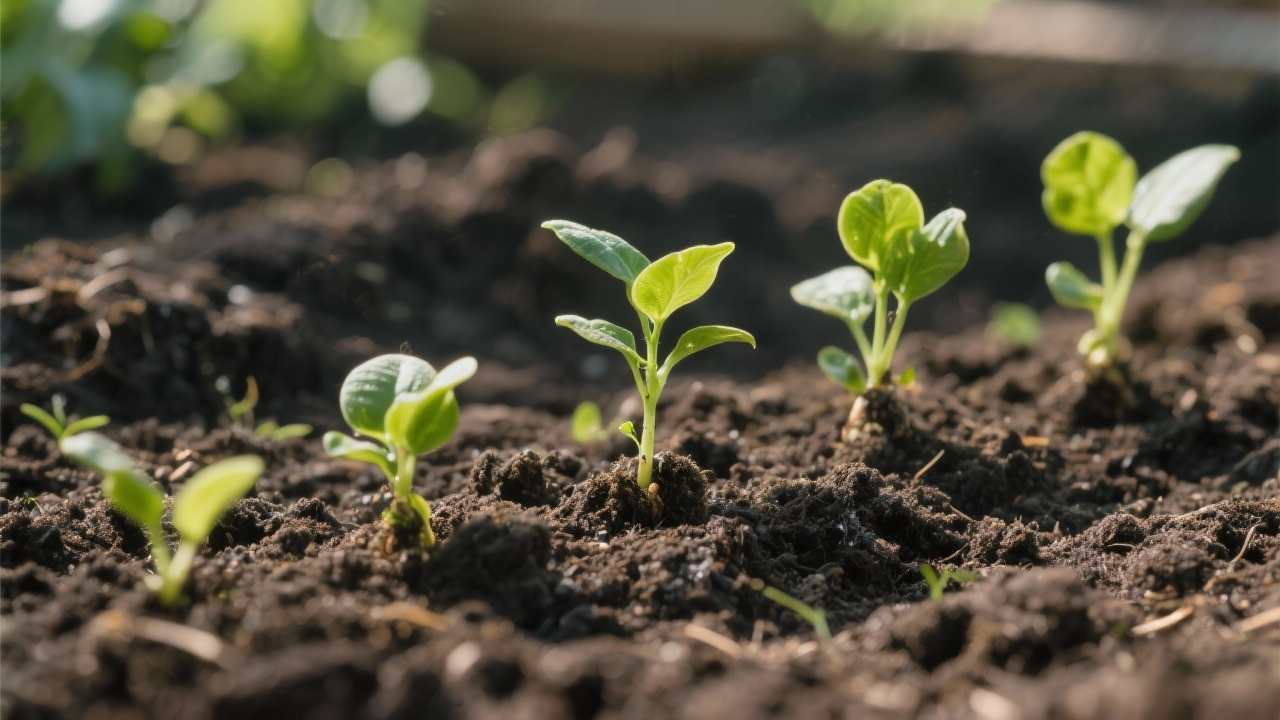
Mesclun seeds typically germinate within 7 to 10 days under proper conditions, creating a beautiful carpet of delicate seedlings across your gardening space. Throughout this critical phase, monitor soil humidity carefully—the substrate should remain consistently moist but never waterlogged. Greenhouse cultivation or open field cultivation both work well; however, under cover protection accelerates growth and extends your harvesting season. Unlike many vegetables, mesclun requires minimal intervention during its brief growth cycle. After approximately 3 to 4 weeks from sowing, your tender salad leaves are ready for cutting or harvesting. Gardening tips from experienced growers recommend successive sowings every two weeks for continuous supply throughout the season, ensuring you always have fresh, crisp mesclun for your table.
Key takeaway
- Temperature : 10-18°C, cool conditions prevent bolting
- Humidity : Moderate, consistent soil moisture essential
- Light : Partial shade to full sun, 4-6 hours daily
- Transplanting : 3-4 true leaves, 10-15cm tall seedlings
Preparing the Optimal Growing Environment for Mesclun Mix Seedlings
Mesclun mix thrives when planted during spring or autumn, when air temperatures range between 15–20°C and soil temperatures reach at least 10–12°C, ensuring frost-free conditions that protect tender seedlings from damage. Begin by thoroughly preparing your vegetable garden bed through careful weeding and loosening the soil to a depth of 20–25 cm, breaking up compacted earth to encourage root penetration. Incorporate mature compost or enriched organic soil into the top 10 cm of your planting area, enriching the substrate with nutrients essential for vigorous establishment. Allow young mesclun seedlings 7–10 days of acclimatization in a sheltered location with filtered light, gradually exposing them to outdoor conditions to harden their tissues and reduce transplant shock. Before planting, gently rinse the root system under cool water and lightly prune any excessively long or damaged roots, stimulating root branching and improving soil contact after transplantation into your vegetable plot.
Installation and Immediate Aftercare for Mesclun Seedling Establishment
Position each mesclun seedling so the collar (the transition zone between stem and roots) sits level with the soil surface, avoiding burial of foliage. Gently firm the soil around the base, creating good contact between roots and substrate without compacting excessively. Water thoroughly in a basin method immediately after planting to settle the soil and eliminate air pockets. Space seedlings 15–20 cm apart with 30 cm between rows, allowing adequate air circulation within your organic vegetable garden. Apply a 2–3 cm mulch layer of straw or shredded leaves around each plant, conserving soil moisture and suppressing weed competition during the critical establishment phase in your vegetable growing operation.
Key takeaway
- Depth : 1-1.5 cm shallow surface planting
- Espacement : 10-15 cm between rows, thin seedlings
- Watering : Keep soil consistently moist, water gently daily
- Mulching/ Protection / Protection : Light straw/leaf mulch to retain moisture
Managing Plant Growth and Vigor
Mesclun mix requires consistent moisture management to maintain tender, quality foliage throughout the cultivation cycle. Water deeply but infrequently—typically 2 to 3 times weekly depending on climate and soil composition—ensuring the top 5 cm of soil remains evenly moist without waterlogging. Apply organic mulch (compost or straw) around plants to regulate soil temperature, conserve moisture, and suppress weed germination. Regarding fertilization, mesclun benefits from light, split applications of balanced organic inputs such as well-decomposed compost or diluted seaweed extract every 2–3 weeks, particularly after the first true leaves emerge and during active growth phases. Perform regular hoeing and weeding to eliminate competing vegetation and improve soil aeration without disturbing shallow root systems. Maintain appropriate spacing by thinning seedlings early, allowing adequate airflow between plants to reduce humidity-related issues. Avoid excessive nitrogen to prevent leggy growth; instead, prioritize a moderate, steady nutrient supply that encourages compact, flavorful development and resilience throughout the maintenance period.
Health Protection and Environmental Balance
Monitor foliage regularly for early signs of pest pressure—such as flea beetles, slugs, or aphids—and fungal diseases like powdery mildew or downy mildew, which thrive in high humidity. Implement preventive ecological practices: ensure good air circulation through proper spacing and mulch management, avoid overhead watering late in the day, and maintain balanced soil fertility to strengthen natural plant defenses. When intervention becomes necessary, apply gentle integrated pest management solutions such as neem oil, insecticidal soap, or copper-based fungicides only at established thresholds. Optimize environmental conditions by providing partial shade during intense summer heat, protecting plants from excessive wind, and maintaining relative humidity between 60–70%. Practice crop rotation by avoiding replanting mesclun in the same soil bed within 2–3 years, and consider intercropping with complementary herbs or legumes to foster soil health and disrupt pest cycles naturally. These sustainable approaches maintain ecological balance while ensuring vigorous, disease-resistant plants throughout the season.
Key takeaway
- Typ of soil : Light, well-draining soil with rich organic content, pH 6.0-7.0
- Care : Gentle weeding, regular surface cultivation, add aged compost monthly
- Watering : Keep consistently moist, water 2-3 times weekly, surface light
- Prevention: Use shade cloth during heat, floating row covers, rotate crop locations
Harvest Time and Optimal Conditions
Mesclun mix reaches maturity and optimal harvesting stage approximately 4 to 6 weeks after planting, depending on seasonal conditions and desired leaf size. The ideal indicator of readiness is when individual leaves measure between 10 and 15 centimeters in length, displaying vibrant color and tender texture characteristic of fresh vegetables at peak quality. Harvest should occur during early morning hours, preferably between 6 and 9 a.m., when leaves retain maximum humidity and cellular turgidity following nighttime moisture absorption. Avoid harvesting during heat stress or after rainfall, as excess water promotes rapid deterioration. Cool, overcast days are particularly favorable for cutting mesclun mix in the vegetable garden. Successive harvests can be performed every 7 to 10 days using the "cut-and-come-again" method, allowing continuous production. Under optimal conditions and good agricultural practices, yields typically reach 200 to 300 grams per square meter per harvest cycle, though this varies with light intensity and temperature management.
Harvesting Methods and Storage Protocols
Employ sharp, clean cutting tools—preferably a vegetable knife or pruning shears—to sever leaves 2 to 3 centimeters above the base, minimizing plant damage and promoting regeneration. Handle harvested leaves with care to prevent bruising and oxidation, which rapidly diminishes quality of these delicate greens. Immediately place cut mesclun into clean, food-grade containers, removing any damaged or discolored leaves through careful sorting. Light pre-cooling at 4°C within one hour of harvest preserves texture and nutritional value. Optimal storage conditions require temperatures between 0 and 4°C with relative humidity maintained at 95 percent. Under these conditions, mesclun mix retains quality for 5 to 7 days maximum. For organic farming operations, ensure all equipment meets food safety standards. Transport harvested produce rapidly to minimize temperature fluctuation and maintain the freshness characteristic of premium fresh fruit and vegetables destined for immediate consumption.
Key takeaway
- Period : 4-6 weeks after sowing, when leaves reach 10-15 cm tall
- Stage : Outer leaves 10-15 cm, center still growing, tender
- Method : Cut outer leaves with clean scissors, 2-3 cm above soil
- Storage : Refrigerate at 4-7°C, sealed container, consume within 3-5 days
Mesclun Mix: A Garden-Fresh Foundation for Vibrant Salads and Light Cooking
Mesclun mix brings together a harmonious blend of young salad leaves—typically combining tender lettuces, endive, arugula, and chicory—offering a complex flavor palette that ranges from mild and buttery to pleasantly peppery and slightly bitter. The delicate, tender texture of these young greens makes them ideal for raw preparation in composed salads, where their crisp yet melt-in-the-mouth quality shines brightest. Beyond simple salads, mesclun leaves withstand gentle wilting in warm olive oil with garlic, brief sautéing over moderate heat, or light steaming—preparations that take just 2 to 3 minutes to preserve their subtle flavors and nutritional integrity. These versatile leaves pair beautifully with creamy vinaigrettes, lemon juice, toasted nuts, aged cheeses, and fresh herbs like chervil or tarragon, while complementing protein-rich ingredients such as grilled fish, legumes, or plant-based alternatives.
Seasoning, Nutrition, and Practical Storage for Maximum Freshness
A simple dressing of extra-virgin olive oil and aged vinegar or fresh lemon juice, finished with sea salt and cracked pepper, allows mesclun's natural complexity to emerge. These nutrient-dense leaves deliver valuable vitamins A, C, and K, alongside dietary fiber and beneficial antioxidants—particularly from the darker, more bitter varieties. To maintain optimal freshness and crisp texture, store mesclun in the refrigerator within a breathable container or loosely wrapped in paper towels for 3 to 5 days. While raw consumption is ideal to preserve heat-sensitive nutrients, mesclun also freezes well in portions for future cooked preparations, though blanching before freezing helps retain color and texture for longer storage.
Key takeaway
- Flavor Profile : Complex mix of mild, peppery, bitter, and sweet leaf flavors
- Classic Uses : Mixed salads, side garnish, bed for proteins, light appetizers
- Pairings : Simple vinaigrette, olive oil, lemon, shaved parmesan, nuts
- Storage : Refrigerate 3-5 days, store dry in sealed container with paper towel

Companion plants