
Lamb'S Lettuce Vit
Valerianella locusta
Incredibly cold-hardy for delicious winter greens.- Exceptional source of omega-3 fatty acids, vitamin C, beta-carotene, and iron for optimal nutrition
- Supports cardiovascular health, improves blood circulation, and helps maintain healthy blood pressure levels
- Anti-inflammatory properties help prevent chronic diseases and support natural detoxification processes
Origine des graines : Pays-Bas
Certification bio NL-BIO-01.528-0006532.2025.002
GTIN : 3770042795710
Plant Profile

Cultivation Calendar
Growing Tips
Sowing Method and Environmental Conditions for Mâche Vit
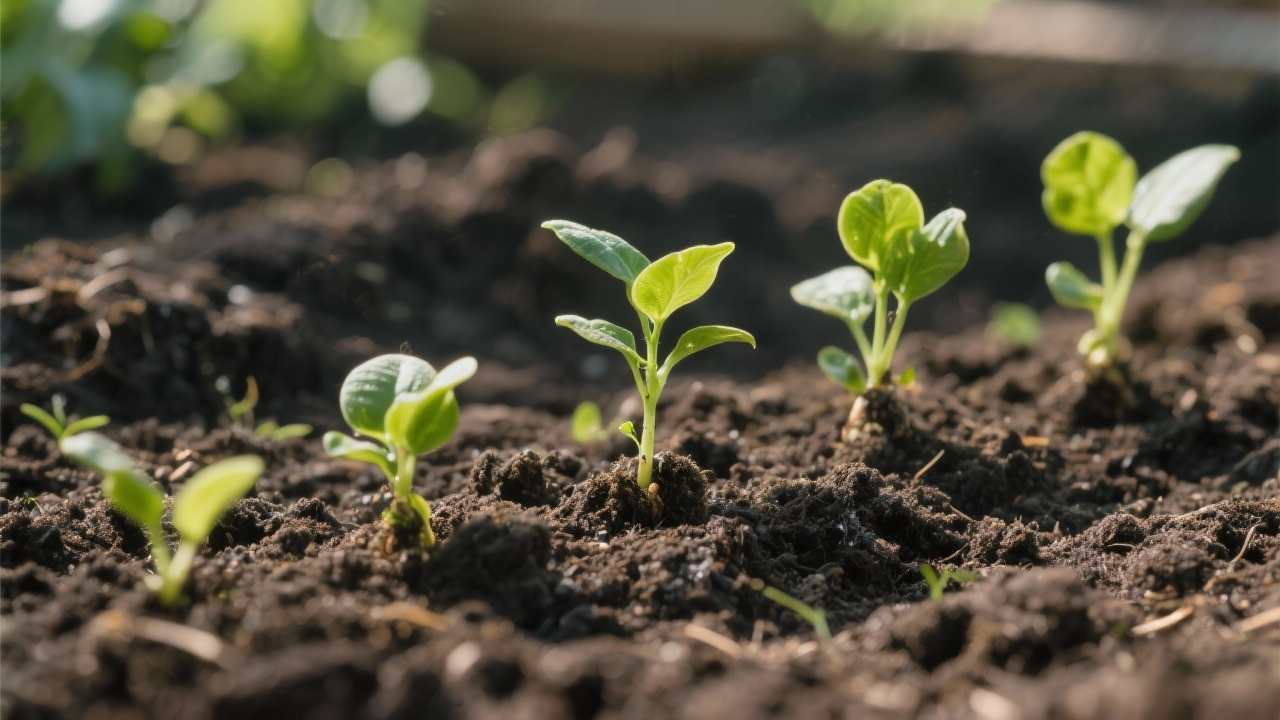
Mâche Vit, scientifically known as Valerianella locusta, is best sown directly in open field cultivation or under protective cover during cooler months, making it an excellent choice for autumn and winter vegetable gardening. Prepare a fine, well-draining substrate enriched with compost or organic matter to ensure optimal seed emergence. This hardy leafy green prefers soil temperatures between 10°C and 18°C, which explains its popularity in organic farming during spring and fall seasons. When sowing, distribute seeds thinly across the prepared bed and cover them with just 3 to 5 millimeters of fine substrate—approximately the thickness of the seed itself. Water gently using a fine mist or spraying method to maintain consistent humidity without waterlogging, which could cause rotting. Unlike many vegetable seeds, mâche requires light exposure for proper germination, so avoid burying seeds too deeply in your gardening efforts.
Germination Timeline and Early Growth Monitoring
Expect seed germination to occur within 7 to 14 days under ideal conditions, with seedlings emerging gradually as soil temperature stabilizes. Throughout this critical phase, maintain consistent soil moisture and ensure adequate air circulation, particularly in greenhouse cultivation where condensation may accumulate. Keep soil temperature steady between 12°C and 15°C for optimal development in your vegetable garden. By the third week, young plants will develop their first true leaves, signaling readiness for thinning if necessary—space remaining seedlings 8 to 10 centimeters apart to encourage vigorous growth. Continue light, regular watering and monitor for any signs of fungal issues common in humid conditions. This straightforward sowing process makes mâche an ideal vegetable for both novice and experienced gardeners practicing sustainable, organic farming methods year-round.
Key Points
- Temperature : 10-15°C cool temperatures preferred
- Humidity : Moderate 50-60% consistent moisture
- Light : Partial shade to indirect sunlight daily
- Transplanting : 3-4 true leaves, 7-10 cm tall
Conditions and Preparation for Planting Lamb's Lettuce Vit
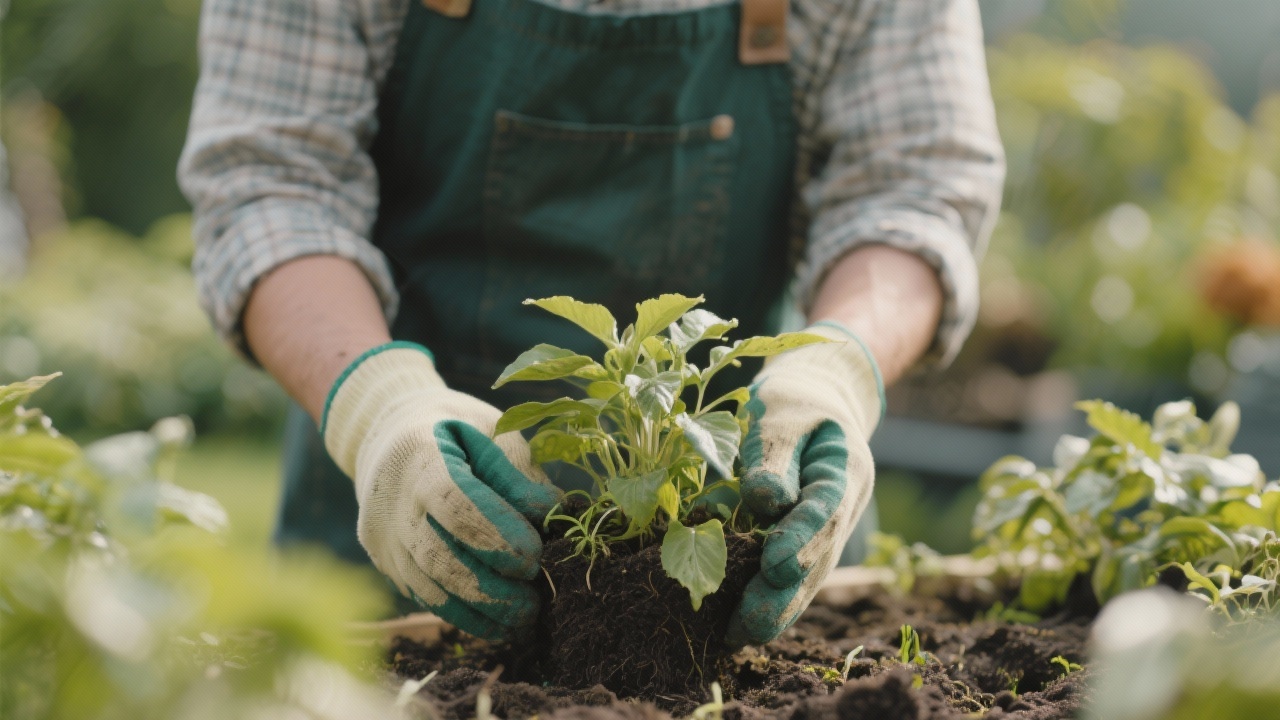
Lamb's lettuce seedlings thrive when planted during cool seasons, ideally in early autumn or spring, when soil temperatures range between 10–15°C and air temperatures remain below 20°C, avoiding late frost risks. Begin by thoroughly preparing your vegetable garden bed through careful weeding and loosening the soil to a depth of 15–20 cm, incorporating mature compost or enriched organic matter to enhance water retention and nutrient availability for young plants. Before transplanting, acclimatize seedlings outdoors for 7–10 days in a sheltered location, gradually exposing them to direct sunlight to strengthen their structure and improve establishment success. Gently rinse the root system under cool water to remove excess substrate, and trim any damaged or excessively long roots with clean scissors—this root pruning encourages lateral root development and faster integration into garden soil, promoting vigorous regrowth in your organic farming plot.
Planting and Installation of Lamb's Lettuce Vit Seedlings
Position each seedling so the collar (where roots meet stem) sits exactly at soil level, avoiding deep burial that may cause rot in this delicate leafy vegetable. Gently firm the soil around the base and water thoroughly in a basin method to settle soil particles and eliminate air pockets without waterlogging. Space plants 15–20 cm apart between rows spaced 25–30 cm apart to allow adequate air circulation and light penetration for healthy leaf development. Immediately apply a 2–3 cm organic mulch layer (straw or shredded leaves) around each seedling to conserve soil moisture, regulate temperature fluctuations, and suppress competing weeds—critical factors for successful vegetable gardening in diverse climates.
Key Points
- Depth : 1-2 cm shallow sowing, light soil coverage
- Espacement : 15-20 cm between plants, rows 25-30 cm apart
- Watering : Water gently after sowing, keep soil consistently moist
- Mulching/ Protection / Protection : Light straw mulch to retain moisture, prevent crusting
Managing Plant Growth and Vigor
Lamb's lettuce thrives with consistent irrigation management, requiring regular watering to maintain evenly moist soil without waterlogging—typically 2 to 3 times weekly depending on weather conditions and soil drainage. This leafy vegetable benefits from moderate, balanced fertilization using compost or well-decomposed organic matter incorporated before the growth phase, with optional side-dressing of nitrogen-rich amendments such as seaweed extract or diluted nettle tea during active leaf development. Regular hoeing between plants controls competing weeds and aerates the soil surface, while applying a light mulch layer—such as straw or shredded leaves—helps regulate soil moisture and temperature while suppressing weed germination. Since lamb's lettuce forms loose rosettes rather than compact heads, minimal intervention is needed beyond light spacing adjustments to ensure adequate air circulation; however, removing any yellowing or damaged outer leaves promotes plant vigor and encourages healthy new growth throughout the cultivation cycle.
Health Protection and Environmental Balance
Maintaining vigorous lamb's lettuce requires regular health monitoring to detect early signs of fungal diseases such as downy mildew or leaf spots, which typically appear as discolored patches during periods of high humidity. Preventative ecological practices—including adequate spacing, morning irrigation to allow foliage to dry quickly, and ensuring good air flow—significantly reduce disease pressure without synthetic inputs. Watch for common garden pests like aphids or slugs by inspecting leaf undersides; mild infestations respond well to gentle interventions such as water spray or neem oil applications. Maintaining optimal growing conditions with moderate shade during hot seasons and protecting plants from harsh wind stress strengthens natural plant defenses. Implementing crop rotation by avoiding repeated cultivation of lettuce species in the same bed for consecutive seasons, combined with intercropping aromatic herbs nearby, helps break pest and disease cycles while fostering a balanced vegetable garden ecosystem that naturally limits problematic outbreaks.
Key Points
- Typ of soil : Light, well-draining soil with neutral pH (6.5-7.0), rich organic matter
- Care : Light cultivation, regular weeding, add compost monthly, minimal fertilization
- Watering : Water consistently, keep soil moist, 25-50 ml per plant weekly
- Prevention: Use protective mesh, 5-8 cm mulch, rotate crop annually to prevent disease
Harvest Time and Conditions for Lamb's Lettuce Vit
Lamb's lettuce Vit reaches harvest maturity approximately 6 to 8 weeks after sowing, when the rosette displays 4 to 6 fully formed leaves and achieves a height of 10 to 15 centimeters. The leaves should exhibit a vibrant green colour and maintain a firm, crisp texture—reliable indicators of optimal ripeness for vegetable garden production. Early morning represents the ideal harvest time, when the plant naturally contains maximum moisture content and ambient temperature remains cool, typically between 5 and 15°C. Avoid harvesting during peak heat or after rainfall, as excess humidity promotes rapid deterioration. This fresh leafy green tolerates successive harvesting cycles: remove outer leaves every 7 to 10 days to encourage continued productive growth, yielding approximately 150 to 200 grams per plant over multiple harvests. Consistent, regular picking extends the productive window while maintaining superior quality for fresh produce markets and direct-to-consumer distribution.
Harvesting Methods and Post-Harvest Preservation
Employ sharp, sanitized cutting tools—a clean knife or pruning shears—to sever leaves at the base, minimizing plant stress and preventing oxidation of damaged tissue. Handle harvested leaves with care, placing them gently into breathable containers to avoid bruising and maintain structural integrity. Implement immediate sorting and hygiene practices following good agricultural practices, removing damaged or discoloured leaves and rinsing with cool water. For organic farming operations, pre-cooling within 2 hours of harvest optimizes freshness retention. Store lamb's lettuce at 0 to 4°C with relative humidity between 95 and 100 percent—conditions that preserve crispness and nutritional quality for 7 to 10 days. Short-distance transport in temperature-controlled containers or refrigerated vehicles safeguards product quality from harvest point to retail outlet or end consumer, ensuring the vegetable garden's labour yields premium fresh vegetables consistently.
Key Points
- Period : 8-10 weeks after sowing, early spring to late autumn
- Stage : Rosette 10-15 cm wide, leaves full and tender
- Method : Cut outer leaves carefully with clean scissors, leaving center intact
- Storage : Refrigerate at 2-4°C, humid container, consume within 3-5 days
Tender Leaves and Delicate Flavor: Lamb's Lettuce in the Kitchen
Lamb's lettuce offers tender, mild leaves with a subtle, slightly nutty undertone and a delicate melt-in-the-mouth texture that makes it a prized addition to fresh garden salads. The entire edible leaf is harvested and best enjoyed raw, where its gentle flavor shines brightest alongside vinaigrettes or light dressings. This versatile vegetable pairs beautifully with citrus vinegars, walnut oil, and Dijon mustard, while aromatic companions like fresh tarragon, chervil, and shallots enhance its delicate profile. For those seeking warmth, lamb's lettuce responds gracefully to gentle sautéing—a brief 2–3 minutes over moderate heat with garlic and a splash of white wine transforms it into a refined side dish. The leaves also welcome creamy preparations with plant-based or traditional cream sauces, and blend seamlessly into composed salads with roasted beets, goat cheese, or soft-boiled eggs.
Nutritional Benefits and Gentle Storage for Maximum Freshness
This garden green is rich in vitamins A, C, and K, alongside valuable minerals and antioxidants that support overall vitality. Season lamb's lettuce with extra virgin olive oil, lemon juice, and fleur de sel to amplify its natural sweetness. The leaves are delicate and best consumed fresh; store them refrigerated in a breathable container for up to five days to maintain their crisp texture and bright flavor. While lamb's lettuce poses no particular consumption concerns, its subtle taste fades quickly with heat, so add it at the end of warm dishes or serve chilled for optimal enjoyment. For longer preservation, gentle freezing in airtight bags works for cooked preparations, though raw leaves are best enjoyed within days of harvest from your kitchen garden.
Key Points
- Flavor Profile : Mild, nutty, slightly tangy with tender velvety rosettes
- Classic Uses : Winter salads, garnish, paired with warm dishes, side salad
- Pairings : Walnut oil, balsamic, beetroot, bacon lardons, shallots, eggs
- Storage : Refrigerate 3-5 days, store unwashed in perforated bag
Smart Companions


