Zucchini
Cucurbita pepo
Get ready for a non-stop summer harvestDispo. en Juillet
- Rich in vitamin C, potassium, and manganese while being extremely low in calories
- High water and fiber content promotes healthy digestion and supports weight management
- Contains antioxidants like lutein and zeaxanthin that help protect against cellular damage and inflammation

certified organic

Pays-Bas


Plant profile

Growing calendar


Growing tips
Sowing conditions and method for courgette zucchini
Courgette zucchini seeds can be sown directly in the open field once all frost risk has passed, or started indoors and under cover in a greenhouse for an earlier harvest. The ideal soil temperature for germination ranges between 20 and 25°C, with air temperatures ideally between 18 and 25°C. Prepare a light, well-draining substrate rich in organic matter to ensure healthy root development. When sowing, place seeds approximately 2 to 3 centimetres deep—roughly twice the height of the seed itself—spacing them adequately to prevent overcrowding. Water gently but thoroughly using a fine spray or soft watering method to maintain consistent humidity without waterlogging the soil. Seeds do not require light to germinate, so covering them lightly with substrate is perfectly appropriate for successful emergence.
Germination timeline and seedling care
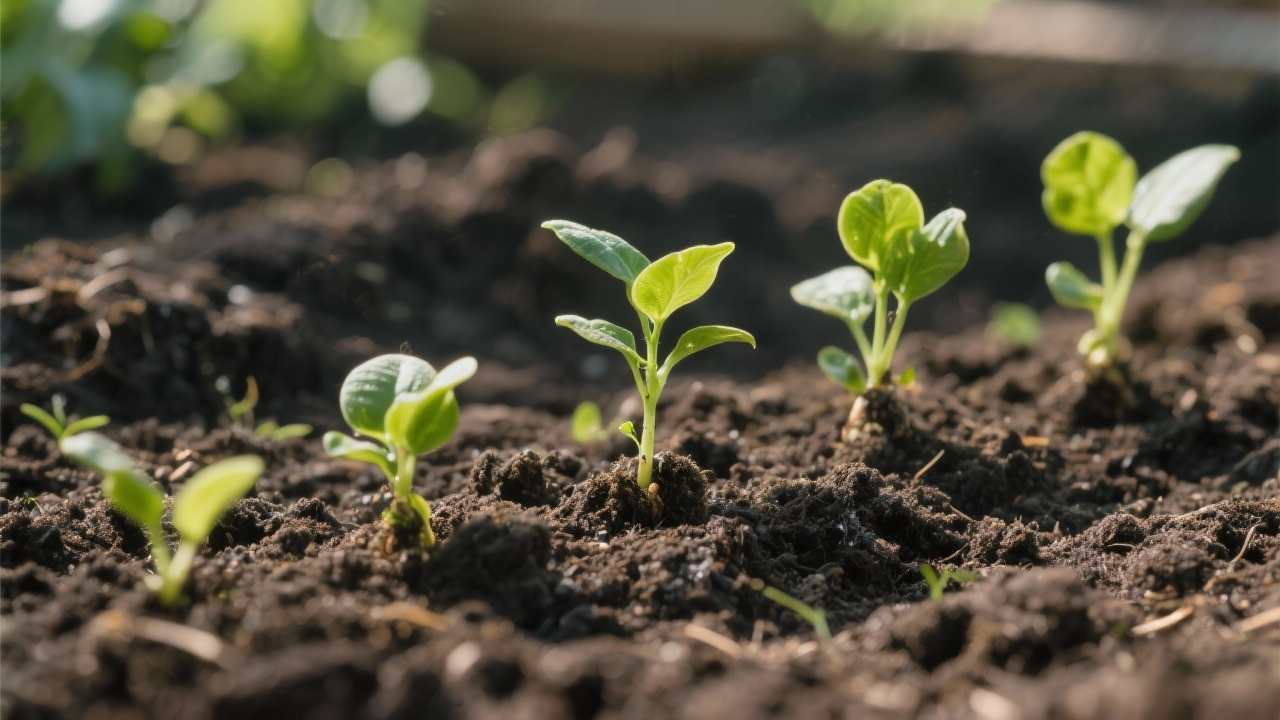
Courgette zucchini seeds typically germinate within 7 to 10 days under optimal conditions, though cooler soil temperatures may extend this period. During this critical phase, maintain steady moisture levels and monitor regularly to ensure the substrate never dries out completely. Once seedlings emerge and develop their first true leaves, gradually increase air circulation in greenhouse-grown plants to strengthen stems. For organic farming practitioners, this is an excellent opportunity to introduce beneficial microorganisms into the growing medium. Seedlings are ready for transplanting into the vegetable garden or larger containers approximately 3 to 4 weeks after sowing, once they display robust growth and several well-developed leaves, ensuring a strong start for this productive summer crop.
Key takeaway
- Temperature : 18-25°C daytime, 15-20°C night temperatures
- Humidity : Moderate, 50-60% relative humidity recommended
- Light : Full sun, 6-8 hours direct sunlight daily
- Transplanting : When 3-4 true leaves develop, typically 3-4 weeks
Conditions and Preparation for Planting Zucchini Seedlings
Zucchini seedlings should be planted outdoors once the risk of frost has completely passed and soil temperatures have stabilized at 18–20 °C, with ambient air temperatures consistently above 15 °C. Before planting, prepare your vegetable garden bed by thoroughly weeding the area and loosening the soil to a depth of 25–30 cm, incorporating well-rotted compost or enriched organic matter to improve drainage and nutrient availability. Young zucchini plants benefit significantly from hardening off—a 7 to 10-day acclimatization period during which seedlings are gradually exposed to outdoor light, wind, and temperature fluctuations to strengthen their stems and reduce transplant shock. Just before planting, gently prune the roots with clean scissors to encourage a fibrous root system, and soak the root ball in lukewarm water for 15–20 minutes to ensure thorough hydration and better soil contact after transplanting.
Planting and Installing Zucchini Seedlings
Plant zucchini seedlings so the collar (the point where the stem meets the root) sits just at soil level—avoid burying the stem, as this invites rot and fungal disease. Create a small planting basin around each seedling, then gently firm the soil and apply a generous basin watering to eliminate air pockets and establish good root-to-soil contact. Space plants 60–90 cm apart in rows set 100–120 cm apart, allowing adequate room for the spreading vine habit and air circulation. Immediately after watering, apply a 5–8 cm layer of organic mulch—straw, shredded leaves, or compost—around each plant to suppress weeds, conserve soil moisture, and regulate soil temperature during the critical establishment phase.
Key takeaway
- Depth : 3-4 cm deep, plant in small mounds
- Espacement : 60-90 cm between plants, rows 90-120 cm apart
- Watering : Water deeply after planting, keep soil consistently moist
- Mulching/ Protection / Protection : Apply 5-8 cm organic mulch to retain moisture, prevent weeds
Managing plant growth and vigor
Zucchini plants require consistent and deep watering throughout the growing season, particularly during flowering and fruit development; aim for 2–3 cm of water per week, delivered at soil level in early morning to minimize disease pressure and water waste. Establish a sustainable fertilization schedule by incorporating well-composted organic matter before cultivation begins, then apply balanced liquid organic fertilizers or diluted compost tea every two to three weeks during active growth phases. Regular hoeing and light weeding around plants—performed carefully to avoid root damage—combined with a 5–8 cm layer of organic mulch (straw or wood chips) helps suppress competing vegetation, moderate soil temperature, and improve water retention. As plants mature, ensure adequate spacing and air circulation by gently removing lower leaves if foliage becomes overly dense; pinching back excessive lateral growth encourages more compact, manageable plants and allows sunlight to reach developing fruits. Monitor soil structure through shallow cultivation and avoid compaction near the base to promote healthy root expansion throughout the season.
Health protection and environmental balance
Regular health monitoring is essential: inspect leaf undersides weekly for spider mites and powdery mildew, check stems for rot, and observe for wilting or yellowing that may signal deeper issues. Prevention forms the foundation of ecological garden management; maintain proper plant spacing, avoid overhead irrigation, and remove affected foliage promptly to limit fungal spread. Integrated pest management prioritizes encouraging natural predators and applying gentle solutions—neem oil or sulfur dust—only when pest populations exceed intervention thresholds. Crop rotation is vital: avoid planting zucchini or other cucurbits in the same bed annually, as this breaks pest and disease cycles. Companion planting with aromatic herbs or nitrogen-fixing legumes strengthens the vegetable garden ecosystem while improving soil fertility. Monitor environmental conditions—excessive heat and humidity stress plants and favor disease development—by ensuring afternoon shade in extreme climates and improving air circulation through deliberate pruning and strategic plant placement within your garden layout.
Key takeaway
- Typ of soil : Sandy loam, rich organic matter, pH 6.0-7.5, well-draining soil
- Care : Regular light weeding, monthly organic fertilizer, mulch base, prune excess leaves
- Watering : Deep watering 2-3×/week, 2-3 cm water, avoid leaf wetting
- Prevention: Straw mulch 5-8 cm, companion planting, rotate crop annually, monitor powdery mildew
Harvest Time and Optimal Picking Conditions
Zucchini reaches harvest maturity approximately 50 to 65 days after planting, when fruits display a tender skin and measure between 15 and 25 centimetres in length. The ideal indicator of ripeness is a firm yet slightly yielding texture and a vibrant, uniformly coloured skin—typically dark green, light green, or yellow depending on variety. For optimal quality in your vegetable garden, harvest during the early morning hours when temperatures are cooler and fruits retain maximum humidity and crispness. Avoid picking during intense heat or after rain, as wet conditions increase disease risk. The frequency of harvesting should occur every two to three days once production begins, encouraging continuous fruit development and preventing overmaturity. Regular harvesting from a single plant typically yields 8 to 12 fruits per week under favourable conditions, delivering consistently fresh fruit and vegetables for your household or direct sales.
Harvesting Methods and Post-Harvest Preservation
Use sharp cutting tools—either a clean pruning knife or garden shears—to sever the fruit stem approximately 2 to 3 centimetres above the zucchini, minimising plant damage and oxidation stress. Handle harvested fruits gently to prevent bruising and maintain skin integrity, which is essential for preserving quality. Immediately sort and inspect each zucchini, removing any damaged specimens. Rinse gently under cool water if necessary, then allow surface moisture to air-dry. For storage, maintain temperature conditions between 10 and 15°C with relative humidity around 85 to 95 percent; zucchini will keep for 7 to 14 days under these conditions. Store in breathable containers rather than sealed plastic to prevent condensation and decay. Short-distance transport in ventilated crates preserves freshness and supports good agricultural practices, whether following organic farming principles or conventional methods, ensuring your fresh produce reaches consumers in optimal condition.
Key takeaway
- Period : 70-90 days after planting, mid-summer through early fall
- Stage : When 15-20 cm long, dark green, firm and glossy skin
- Method : Sharp pruning shears, cut stem close to fruit base
- Storage : Refrigerate 7-10 days, 90-95% humidity, unwashed in perforated bag
Culinary Profile and Versatile Cooking Methods
Zucchini, a summer garden vegetable with tender flesh and mild, delicate flavor, offers remarkable culinary versatility across countless preparations. The edible fruit—harvested at various sizes—delivers a subtle, slightly sweet taste with a firm yet creamy texture when cooked, and remains pleasantly crisp when raw. The edible flowers, with their delicate squash-blossom character, add elegance to salads and light dishes. Common preparation methods include sautéing in olive oil until golden and tender (4–6 minutes), roasting to concentrate natural sweetness, grilling for distinctive char marks, or steaming briefly to preserve nutrients. Zucchini pairs beautifully with garlic, basil, and oregano; combines harmoniously with tomatoes, eggplant, and bell peppers in Mediterranean dishes; and welcomes lemon juice, white wine, and soft cheeses. Grated zucchini works wonderfully in fritters, gratins, and baked goods, while thin slices suit raw salads dressed with vinaigrette and fresh herbs.
Seasoning, Nutrition, and Smart Storage
Zucchini shines when finished with extra-virgin olive oil, fresh lemon, or aged vinegar, enhanced by fresh herbs like mint, dill, or parsley, and subtle spices such as cumin or red pepper. Rich in vitamin C, potassium, and dietary fiber, this light vegetable supports balanced, nourishing meals while remaining low in calories. Raw consumption is safe in moderation; older specimens may develop slight bitterness in the skin. For short-term storage, refrigerate unwashed zucchini in a perforated bag (up to one week). Extend shelf life through freezing blanched pieces, pickling for tangy preservation, or lacto-fermentation for probiotic complexity. Dried zucchini chips offer concentrated flavor for winter cooking, while freezing grated zucchini in portions simplifies future meal preparation. These preservation methods maintain the vegetable's essential character while expanding its kitchen presence year-round.
Key takeaway
- Flavor Profile : Mild, slightly sweet, delicate with tender moist flesh
- Classic Uses : Grilled, sautéed, spiralized, stuffed, fritters, ratatouille
- Pairings : Garlic, olive oil, basil, tomatoes, feta, lemon, parmesan
- Storage : Refrigerate unwrapped 5-7 days, do not freeze raw

Companion plants