Cucumber Telegraph Improved
Cucumis sativus
An exceptionally productive plant for a non-stop harvest.Dispo. en Juin
- Excellent source of hydration with high water content, vitamin K, potassium, and silica for bone health
- Supports weight management through low calories and high fiber, promoting satiety and healthy digestion
- Contains cucurbitacins and lignans with anti-inflammatory properties that may help reduce chronic disease risk

certified organic

Pays-Bas

Plant profile

Growing calendar

Growing tips
Sowing Method and Environmental Conditions
Concombre Telegraph Improved seeds are best sown directly into warm soil during the open field cultivation season, though greenhouse cultivation or indoor sowing under cover offers greater control over growing conditions. Prepare a light, well-draining substrate rich in organic matter—a mix of peat, compost, and sand works excellently for optimal emergence. The soil temperature should reach between 18°C and 25°C for reliable germination, with 20–22°C being ideal for this heat-loving variety. Sow seeds approximately 2 centimeters deep, roughly twice the seed's own diameter, spacing them generously to prevent overcrowding. Water gently using a fine spray or soaking method to establish consistent humidity without waterlogging, which could cause seed rot. Maintain air temperature between 20°C and 30°C to encourage vigorous growth, ensuring the seedbed remains consistently moist but never saturated during the critical sowing phase.
Germination Timeline and Care Until Transplanting
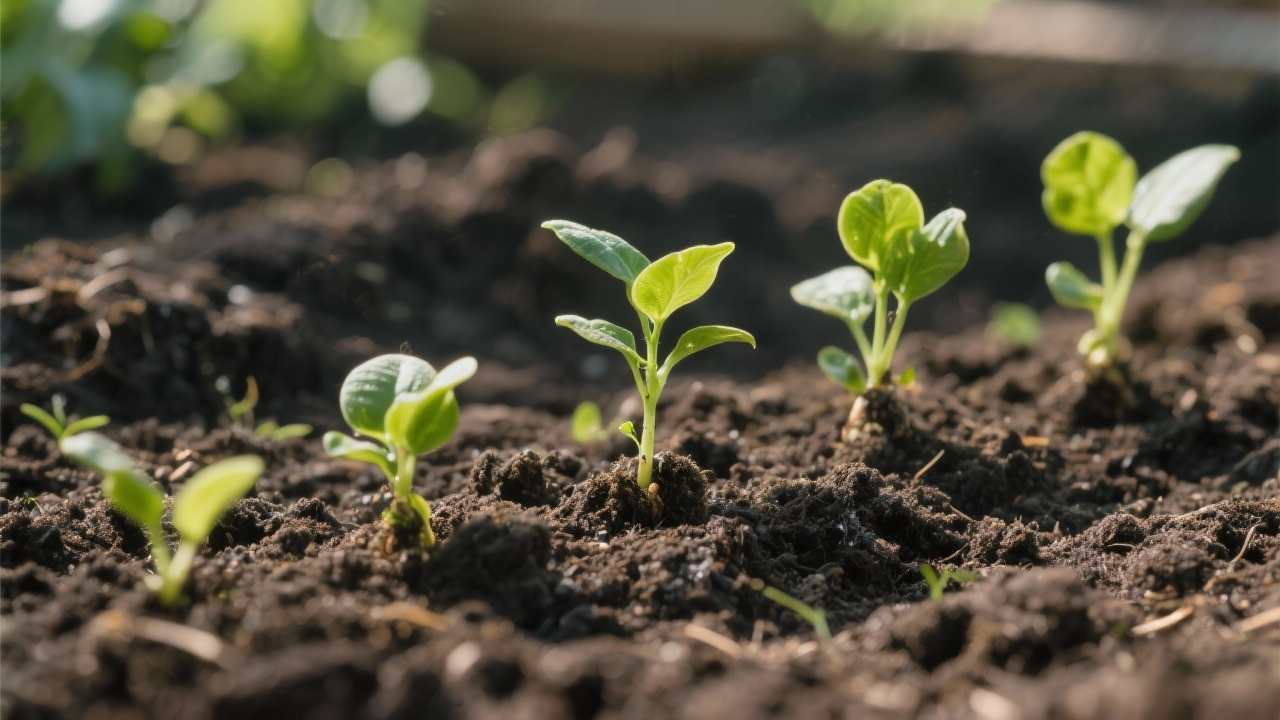
Seeds typically germinate within 7 to 10 days under optimal conditions, with the first cotyledons emerging as the seedling breaks through the substrate surface. Provide bright indirect light once seedlings appear, avoiding harsh direct sunlight that may scorch delicate leaves. Continue maintaining adequate humidity levels through careful watering, allowing the top layer of substrate to dry slightly between applications. Monitor soil temperature consistently, as fluctuations below 15°C significantly slow development and increase disease risk in organic farming systems. True leaves typically develop within 3 to 4 weeks, signaling readiness for transplanting into larger containers or preparation for vegetable garden placement. Apply gardening tips such as gentle air circulation via a small fan to strengthen stems and prevent fungal issues. Withhold heavy feeding until after transplanting, allowing the seedling's natural vigor to establish a strong root system before outplanting into your garden bed.
Key takeaway
- Temperature : 18-25°C during day, minimum 15°C at night
- Humidity : Moderate to high, 60-70% relative humidity ideal
- Light : Full sun, 6-8 hours direct sunlight daily
- Transplanting : When 3-4 true leaves developed, about 3-4 weeks
Conditions and Preparation for Planting Cucumber Telegraph Improved
Successful planting of Cucumber Telegraph Improved seedlings requires careful preparation and optimal environmental conditions. Begin your vegetable gardening project when soil temperature reaches 16–18°C and air temperature remains above 15°C, typically in late spring after all frost risk has passed. Before introducing your young plants, prepare the planting bed by thoroughly weeding and loosening the soil to a depth of 25–30 cm, then incorporate 3–4 cm of mature compost or enriched organic matter to enhance nutrient availability and soil structure. This preparation is essential for successful regrowth and robust plant establishment. Approximately 7–10 days before transplanting, begin acclimatizing your seedlings by gradually exposing them to outdoor conditions—start with 2–3 hours of indirect sunlight and increase exposure daily. This hardening process strengthens stems and reduces transplant shock. Just before planting, gently prune any excessively long or damaged roots and consider a brief soak in water for 15–20 minutes to rehydrate the root system and facilitate establishment in the vegetable garden bed.
Planting and Installing the Seedling
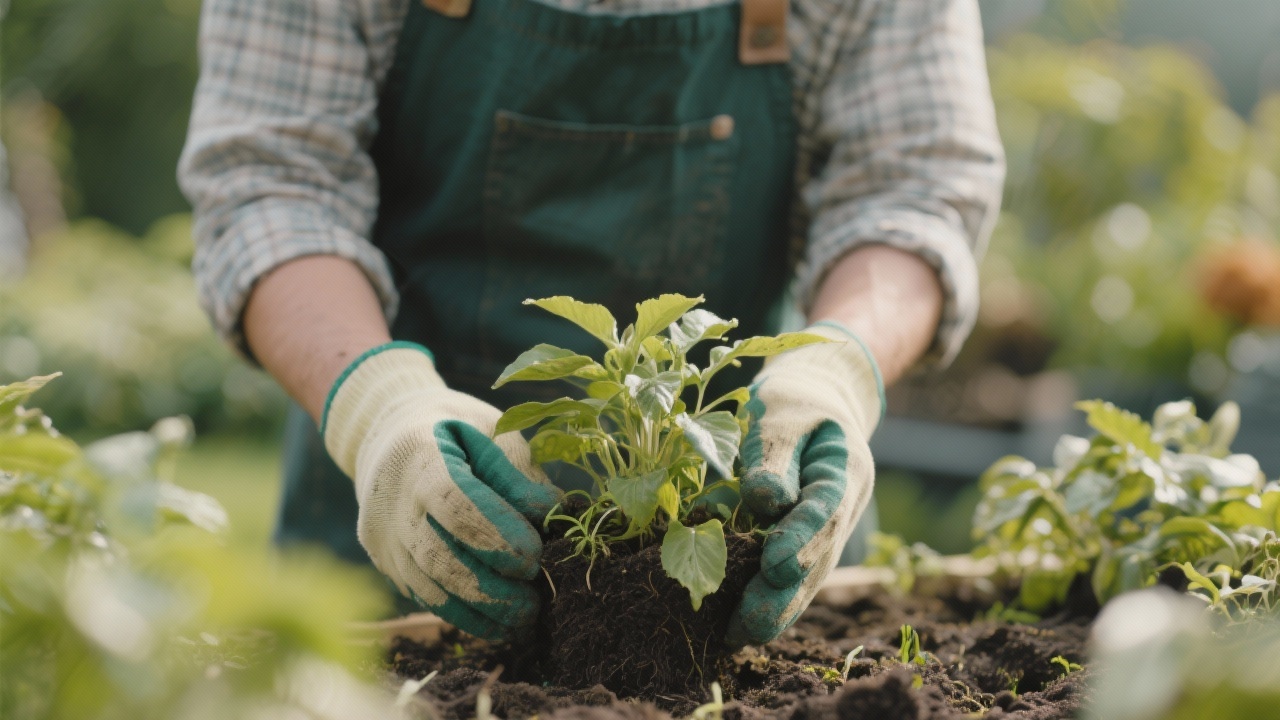
Plant your Cucumber Telegraph Improved seedlings with the collar (where stem meets root) positioned at soil level—avoid burying deeper, as this risks stem rot in the organic farming environment. Gently firm the soil around each plant, then water thoroughly in a basin to settle the substrate and eliminate air pockets. Space plants 50–60 cm apart along rows separated by 80–100 cm, allowing adequate air circulation for healthy vegetable crop development. Immediately after planting, apply a 5–7 cm layer of organic mulch (straw, compost, or shredded leaves) around each seedling, keeping mulch 5 cm away from the stem to prevent moisture-related diseases. For Cucumber Telegraph Improved, install sturdy vertical support structures or trellises at planting time to guide climbing growth and maximize light exposure throughout the growing season, significantly improving your vegetable gardening success.
Key takeaway
- Depth : 2-3 cm deep in well-draining seed compost
- Espacement : 40-50 cm between plants, rows 100-120 cm apart
- Watering : Water thoroughly after planting, keep soil consistently moist
- Mulching/ Protection / Protection : Use light organic mulch, 5-7 cm thick around base
Managing plant growth and vigor
Cucumber Telegraph Improved thrives with consistent and moderate irrigation, requiring approximately 25–30 mm of water per week depending on soil conditions and ambient temperature. Water deeply at the base of plants during early morning hours to minimize foliar diseases and ensure optimal root zone moisture without waterlogging. As the growing season progresses, organic fertilization should be applied in split doses: an initial application of well-decomposed compost or balanced organic granules at the start of vegetative growth, followed by lighter nitrogen-rich inputs every 3–4 weeks to sustain flowering and fruit development. Maintain soil structure through regular hoeing and weeding around the base, taking care not to damage shallow roots, and apply a 5–7 cm layer of organic mulch (straw or wood chips) to regulate soil temperature, retain moisture, and suppress unwanted vegetation. As vines elongate, provide appropriate support systems such as trellises or stakes to promote air circulation, reduce disease pressure, and facilitate maintenance access. Gently remove lower leaf senescence and competing lateral shoots if necessary to concentrate plant energy on productive growth and improve aeration within the canopy.
Health protection and environmental balance
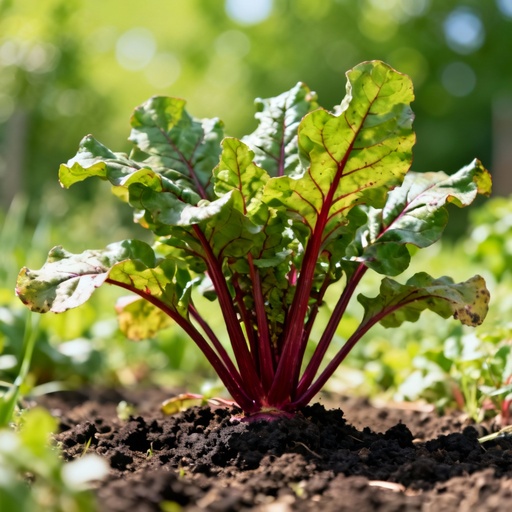
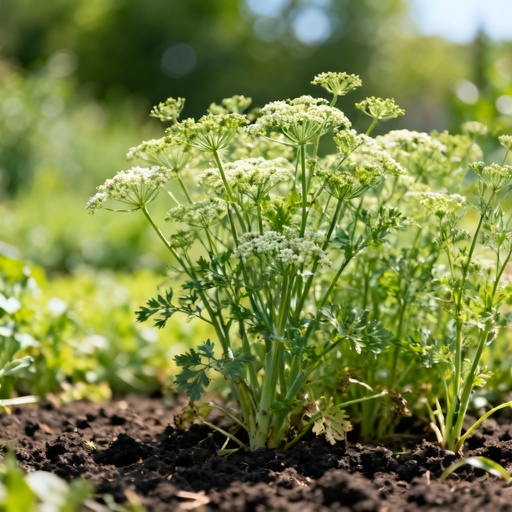
Regular crop monitoring is essential to detect early signs of powdery mildew, downy mildew, or common pests such as spider mites and cucumber beetles before infestations become established. Implement ecological pest management by encouraging beneficial insects, removing affected leaves promptly, and applying soft interventions—such as sulfur-based fungicides or neem oil—only when action thresholds are exceeded. Optimize environmental conditions by ensuring adequate spacing between plants, avoiding overhead irrigation, and managing excessive shade that promotes fungal proliferation. Maintain proper humidity levels through ventilation and mulching practices. Crucially, integrate crop rotation principles by avoiding consecutive cucumber cultivation on the same soil patch, and consider intercropping with complementary vegetables or aromatic herbs to create ecological balance, enhance soil health, and naturally reduce pest pressure throughout the growing season.
Key takeaway
- Typ of soil : Sandy loam, pH 6.0-6.8, rich organic matter, excellent drainage
- Care : Regular weeding, support trellising, monthly balanced organic fertilizer
- Watering : Deep watering 2-3 times weekly, 2-3 cm soil moisture
- Prevention: Mulch 5-8 cm, companion planting, rotate crops yearly
Harvest Time and Optimal Conditions
Cucumber Telegraph Improved reaches harvest maturity approximately 55 to 65 days after planting, when fruits display a firm, deep green color with a slightly waxy appearance and measure between 20 and 25 centimeters in length. The optimal harvesting window occurs early morning, ideally between 6 and 9 a.m., when air temperature remains cool and fruits retain maximum humidity and crispness. Pick cucumbers regularly—every two to three days during peak season—as consistent harvesting encourages continued flowering and extends overall productivity. Avoid harvesting during intense heat or immediately after rain, as wet foliage increases disease transmission risk. Under favorable conditions, a mature vegetable garden plant yields approximately 2 to 3 kilograms of fresh fruit and vegetables per season, though this varies with cultivation methods and local climate. Early morning picking ensures superior quality and extends the post-harvest lifespan of your harvest.
Harvesting Methods and Storage Protocols
Use sharp cutting tools—pruning shears or a clean horticultural knife—to sever the fruit stem cleanly, rather than pulling or twisting, thereby preventing plant damage and reducing oxidation. Handle harvested cucumbers with care, placing them gently in shallow containers to avoid bruising that compromises shelf life and visual appeal. Implement immediate good agricultural practices by sorting fruits and removing any damaged specimens. Pre-cooling to 10–12°C within two hours of harvest significantly extends preservation quality. Store cucumbers at 8–10°C with relative humidity between 90 and 95 percent for optimal freshness. Under these storage conditions, Telegraph Improved cucumbers maintain excellent quality for 7 to 10 days. For organic farming operations, minimize transport time to market and maintain cold-chain integrity throughout distribution to preserve the crisp texture and nutritional value that characterizes premium fresh produce.
Key takeaway
- Period : 70-90 days after planting, peak summer harvest (July-September)
- Stage : 20-25 cm long, dark green, firm and glossy skin, before seeds mature
- Method : Sharp pruning shears, cut stem cleanly near fruit base
- Storage : Refrigerate 8-10°C, 85-90% humidity, use within 5-7 days
Crisp Succulence and Versatile Culinary Appeal
The Telegraph Improved cucumber delivers the quintessential eating experience home cooks and gardeners cherish: a refreshingly crisp texture with mild, delicate flavor and a tender, thin skin that requires no peeling. The edible fruit—harvested at its peak ripeness—showcases a juicy, watery interior perfect for consuming raw in summer salads, paired effortlessly with fresh herbs like dill, mint, and tarragon, or alongside creamy dressings enriched with yogurt, sour cream, or tahini. For cooked preparations, this cucumber variety responds beautifully to gentle steaming or light sautéing (5–8 minutes over moderate heat), which softens its flesh while preserving delicate flavor. Telegraph Improved also excels in lacto-fermented pickles, where its firm structure holds up remarkably well to brining with garlic, coriander seeds, and black peppercorns, developing complex, tangy depth over weeks of fermentation. Raw slicing remains the most popular method, whether arranged in composed plates with radish, tomato, and edible flowers, or simply dressed with quality olive oil, lemon juice, and sea salt.
Seasoning, Nutrition, and Intelligent Storage
This garden vegetable responds beautifully to seasoning with aged vinegars, cold-pressed oils, fresh citrus, and aromatic herbs—dill and chervil amplify its natural freshness. Nutritionally, Telegraph Improved cucumbers offer hydration, vitamin K, potassium, and silica, supporting bone health and skin vitality, alongside modest fiber content. The thin skin contains valuable antioxidants, making whole consumption preferable. For short-term storage, refrigerate in a perforated plastic bag or cloth (7–10 days maintains optimal crispness); avoid freezing raw cucumber, as ice crystals damage texture irreversibly. However, fermentation and pickling extend shelf life indefinitely, transforming garden abundance into pantry staples. Cooked preparations freeze adequately for soups or relishes when properly sealed. This reliable, prolific variety remains a cornerstone of fresh, vegetable-forward home cooking.
Key takeaway
- Flavor Profile : Cool, crisp, refreshing with mild sweetness and no bitterness
- Classic Uses : Raw salads, sandwiches, tzatziki, pickles, cold soups, infused water
- Pairings : Dill, yogurt, mint, garlic, rice vinegar, sesame, feta cheese
- Storage : Refrigerate 7-10 days, wrap in cloth, avoid excess moisture

Companion plants