Pepper Jubilanska
Capsicum annuum
An endless harvest of sweet, golden bells.Dispo. en Juin
- Excellent source of vitamin C, vitamin A, and powerful antioxidants like capsaicin and carotenoids
- Boosts metabolism, aids digestion, and supports healthy weight management through thermogenic effects
- Anti-inflammatory properties help reduce pain, may lower risk of chronic diseases and cardiovascular issues

certified organic

Pays-Bas

Plant profile

Growing calendar
Growing tips
Sowing Method and Ideal Growing Conditions
The Poivron Jubilanska is best sown indoors or under cover during late winter to early spring, approximately 6 to 8 weeks before your planned transplanting date. This Capsicum annuum variety thrives when started in a seed tray or propagation container filled with a light, well-draining sowing substrate—ideally a mixture of peat moss, coconut coir, and perlite that ensures excellent drainage while maintaining consistent moisture. Maintain a soil temperature between 22 and 28°C for optimal germination, with air temperatures ideally around 24°C during the day. Sow seeds at a depth equal to twice their diameter—approximately 3 to 5 millimeters—pressing them gently into the substrate without burying them too deeply. Water carefully using a fine spray or mister to keep the substrate evenly moist but never waterlogged, as this prevents damping-off disease in your greenhouse cultivation setup.
Germination Timeline and Seedling Development
Expect emergence to occur within 7 to 14 days under proper conditions, though germination may extend to 21 days in cooler environments. During this critical period, maintain humidity levels between 70 and 80% by covering trays with a humidity dome or cling film, removing it gradually once seedlings break through the soil. As soon as the first true leaves appear, provide bright light—at least 12 to 14 hours daily—using grow lights positioned 10 centimeters above the seedlings to prevent leggy growth. Keep the substrate consistently moist but not soggy, and begin gentle watering from below or with a delicate overhead spray. Maintain warm conditions throughout this seedling stage and ensure good air circulation by placing a small fan nearby. This careful monitoring during the sowing and early growth phase ensures healthy, vigorous transplants ready for your vegetable garden or open field cultivation after the final frost date.
Key takeaway
- Temperature : 18-25°C daytime, 15-18°C nighttime
- Humidity : Moderate, 50-65% relative humidity
- Light : Bright indirect light, 12-14 hours daily
- Transplanting : 4-6 true leaves, 3-4 weeks old
Conditions and Preparation for Planting Pepper Jubilanska Seedlings
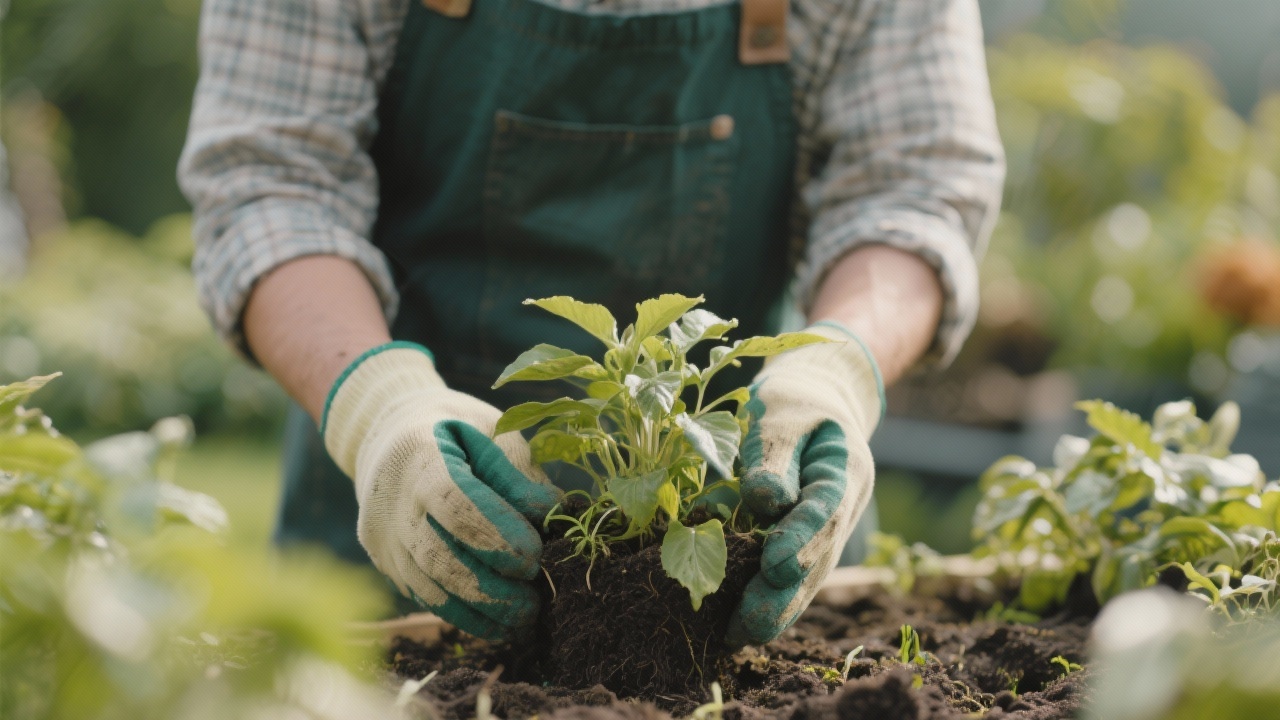
Pepper Jubilanska seedlings should be planted outdoors once air temperatures consistently reach 18–20°C and soil temperature stabilizes at 16°C or higher, with all risk of frost completely eliminated. Begin soil preparation by removing weeds and loosening the planting bed to a depth of 25–30 cm, then incorporate mature compost or enriched organic soil to improve drainage and nutrient availability. Before transplanting, acclimatize young plants for 7–10 days by gradually exposing them to outdoor light and temperature conditions, reducing transplant shock and ensuring successful establishment. Gently prune excess roots and soak the root ball in lukewarm water for 15–20 minutes immediately before planting to hydrate the substrate and encourage root contact with garden soil.
Planting and Installing Pepper Jubilanska Seedlings
Plant seedlings at the same depth as their nursery containers, ensuring the collar (junction between stem and roots) remains at soil level—avoid burying beyond the first true leaves to prevent stem rot. After positioning each plant, gently firm the soil around the base and water thoroughly in a shallow basin to eliminate air pockets and settle the substrate. Space plants 45–50 cm apart within rows and maintain 60–70 cm between rows to allow adequate air circulation and ease of harvest. Immediately apply a 5–8 cm mulch layer of organic material around the base to conserve soil moisture, regulate temperature, and suppress competing weeds. In exposed locations, install a windbreak or temporary shade cloth for the first 2–3 weeks to protect tender foliage from stress.
Key takeaway
- Depth : 1-2 cm deep in seed starting trays
- Espacement : 40-45 cm between plants, rows 60 cm apart
- Watering : Water thoroughly after planting, keep soil consistently moist
- Mulching/ Protection / Protection : Organic mulch 5-7 cm thick, protects soil moisture
Managing Plant Growth and Vigor
Pepper Jubilanska thrives with consistent irrigation that maintains soil moisture without waterlogging—aim for deep watering every 2–3 days during active growth, adjusting frequency based on rainfall and soil drainage capacity. Mulching with organic matter such as straw or compost conserves moisture, regulates soil temperature, and suppresses weeds while gradually enriching the soil structure. For sustainable fertilization, apply well-decomposed compost or balanced organic amendments at the beginning of the growth phase, then split subsequent applications of seaweed extract or fish emulsion every 3–4 weeks to support flowering and fruiting vigor. Regular hoeing around plants—performed shallowly to avoid root damage—keeps the bed weed-free and improves soil aeration. Pinching the terminal buds of young plants encourages branching and more compact growth, while staking or light supports prevent stem breakage under fruit load. Maintain adequate spacing to ensure good air circulation, which reduces humidity-related stress and supports overall plant health throughout the season.
Health Protection and Environmental Balance
Monitor Pepper Jubilanska regularly for early signs of common pests (spider mites, aphids) and diseases (anthracnose, bacterial wilt) by inspecting leaf undersides and stem joints. Employ integrated pest management principles: encourage beneficial insects through flower diversity, apply neem oil or insecticidal soap only when population thresholds justify intervention, and remove affected foliage promptly. Crop rotation—avoiding repeated cultivation in the same soil for at least 2–3 years—significantly reduces soil-borne pathogen pressure and nutrient depletion. Optimize environmental conditions by ensuring 6–8 hours of direct sunlight, protecting plants from harsh wind, and maintaining relative humidity below 70% to minimize fungal issues. Intercropping with aromatic herbs or legumes strengthens ecological balance, improves soil nitrogen availability through symbiotic relationships, and attracts natural predators that control vegetable garden pests organically.
Key takeaway
- Typ of soil : Well-draining loamy soil, pH 6.0-6.8, rich in organic matter
- Care : Monthly light cultivation, remove weeds, add balanced compost
- Watering : Water deeply after transplanting, 2-3 times weekly, consistent moisture
- Prevention: 5-8 cm organic mulch, row covers, companion plant with basil
Harvest Time and Optimal Conditions for Pepper Jubilanska
The harvest of Pepper Jubilanska begins approximately 60 to 75 days after flowering, when the fruit reaches full maturity and displays its characteristic deep red coloration. Identifying the right stage for picking is essential: the peppers should feel firm to the touch, with a glossy skin and uniform color, indicating peak ripeness for maximum flavor and nutritional value. For optimal results in your vegetable garden, harvest during early morning hours when humidity levels are highest and temperatures are coolest—ideally between 10–15°C—as this minimizes stress on the fresh fruit and vegetables. Consistent harvesting every 3 to 4 days encourages continued production and maintains plant vigor. Under proper conditions following good agricultural practices, each plant typically yields 8 to 12 mature peppers per season, though yields vary based on care and environmental factors.
Harvesting Methods, Handling, and Storage Protocols
Use sharp cutting tools such as clean pruning shears or a horticultural knife to sever peppers at the stem, rather than pulling, which prevents branch damage and protects future flowering. Handle harvested peppers with care to avoid bruising and oxidation, placing them gently in shallow containers lined with soft material. Immediately after picking, sort and inspect each fruit, removing any with defects, then rinse carefully in cool water and allow air-drying. Storage should occur in a cool environment maintained between 7–10°C with relative humidity of 90–95% to preserve crispness and prevent moisture loss. Under these conditions, Pepper Jubilanska peppers remain suitable for consumption for 2 to 3 weeks. For short-distance transport to markets or direct sales, use breathable packaging that permits air circulation while protecting fruits from mechanical damage, ensuring that fresh produce arrives in optimal condition and maintains the quality standards expected in organic farming and sustainable horticulture.
Key takeaway
- Period : Late summer to early autumn, 8-10 weeks after flowering
- Stage : Fruits 7-10 cm long, deep red, firm and glossy surface
- Method : Sharp pruning shears, cut stem 1 cm above fruit
- Storage : Cool, dry place. 8-10°C, 60-70% humidity, max 7-10 days
Flavor Profile and Culinary Versatility
The Pepper Jubilanska is a garden vegetable prized for its thick, meaty flesh and distinctly sweet, fruity flavor with subtle earthy undertones. The edible fruit develops a crisp, succulent texture when harvested at maturity, making it equally delightful eaten raw in fresh salads or prepared through various cooking methods. This pepper shines when roasted whole over direct heat until the skin blisters and chars—a process requiring approximately 15 to 20 minutes—revealing tender, slightly smoky flesh beneath. The vegetable also responds beautifully to sautéing in olive oil with garlic and fresh basil, or slow-simmering in tomato-based preparations for Mediterranean-inspired garden vegetable dishes. Its robust structure makes it ideal for stuffing with grains, herbs, and plant-based proteins, then baking gently until tender. Pair this home-garden pepper with complementary flavors such as oregano, thyme, cumin, and coriander, or combine it with fellow garden produce like eggplant, zucchini, and onions for harmonious vegetable medleys.
Seasoning, Nutrition, and Smart Storage
Season Pepper Jubilanska with extra virgin olive oil, aged vinegar, and fresh lemon juice to enhance its natural sweetness, or finish with aromatic herbs like parsley and mint. This pepper delivers notable vitamin C content, dietary fiber, and antioxidants—particularly when consumed raw—supporting overall wellness in your culinary practice. For short-term storage, refrigerate unwashed peppers in a cool, ventilated drawer where they remain fresh for 7 to 10 days. For long-term preservation, consider freezing roasted peppers in airtight containers, drying thin slices for concentrated flavor, or lacto-fermenting strips to develop complex, probiotic-rich preparations. This versatile garden vegetable maintains excellent nutritional integrity across all preparation methods, making it a reliable, year-round ingredient for the home cook.
Key takeaway
- Flavor Profile : Sweet, mildly spicy, thick-walled with fruity pepper warmth
- Classic Uses : Roasted, stuffed, grilled, fresh in salads, ajvar, sauces
- Pairings : Garlic, onion, paprika, tomatoes, feta, olive oil, lamb
- Storage : Refrigerate 1-2 weeks, roast and jar in oil for preservation
Companion plants