Snack Pepper Flynn
Capsicum annuum
So productive, you'll be snacking all summer long.Dispo. en Juin
- Excellent source of Vitamin C, A, and dietary fiber for daily wellness.
- Supports robust immune function and promotes healthy, radiant skin.
- Potent plant compounds reduce oxidative stress, aiding long-term disease prevention.

certified organic

Pays-Bas

Plant profile

Growing calendar
Growing tips
Conditions and Preparation for Planting
For a successful establishment of your Snack Pepper Flynn, wait until all risk of frost has passed and the weather is consistently warm. The ideal planting period begins when daytime air temperatures remain above 15°C and the soil has warmed to at least 18°C. Prepare your vegetable garden plot by performing a thorough weeding, followed by loosening the soil deeply to encourage root development. Incorporate a generous amount of mature compost or enriched soil to improve fertility and structure. Before transplanting, it is crucial to harden off your young plants for 7 to 10 days. This process of acclimatization involves gradually exposing them to outdoor conditions, which significantly reduces transplant shock. Ensure the root ball is well-hydrated by watering the seedlings about an hour before moving them to their final garden location.
Planting and Installing the Seedling
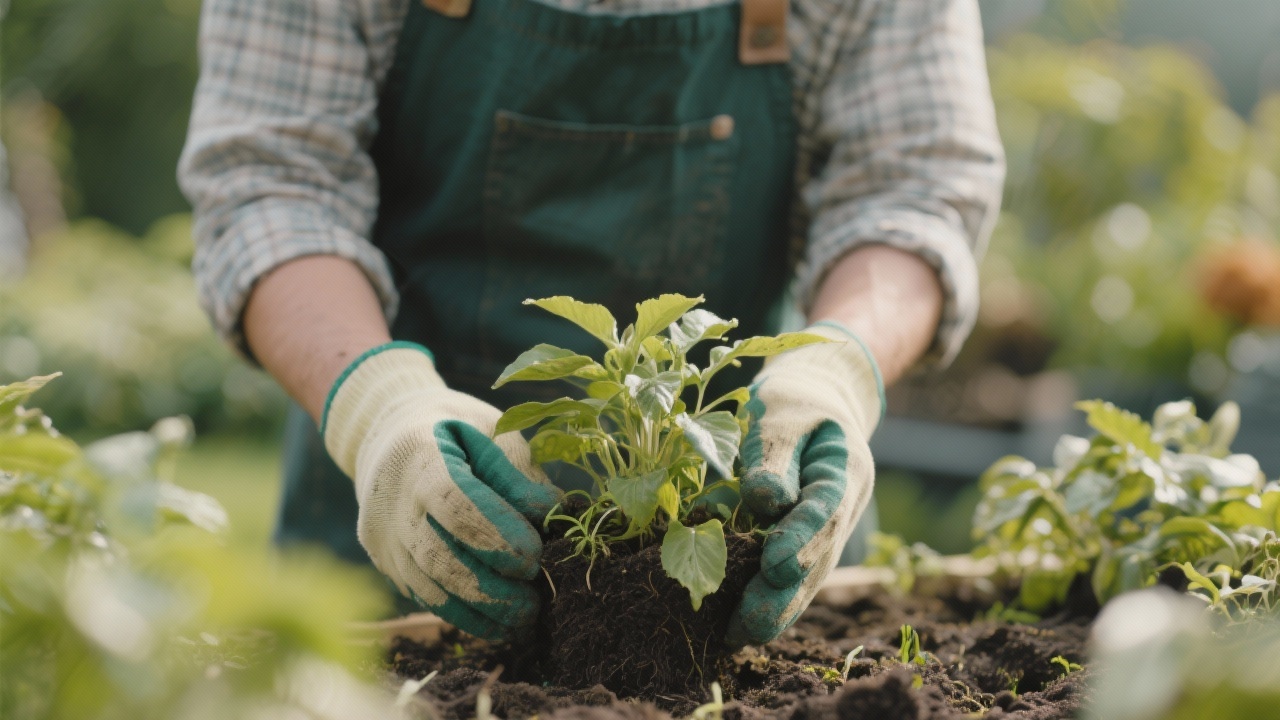
When planting your pepper seedling, dig a hole slightly larger than its container. Position the plant so that the top of the root ball is level with the surrounding soil, ensuring the plant's collar is not buried. Gently backfill the hole and lightly firm the soil around the base to establish good contact with the roots. A generous initial watering is essential to settle the soil and eliminate air pockets. For optimal growth and air circulation, maintain a final spacing of approximately 40 to 50 cm between plants and 60 cm between rows. Immediately apply a thick layer of organic mulch, such as straw or wood chips, to conserve soil moisture and suppress weed competition. Installing a small stake next to each plant at this stage is a good preventative measure to provide support as it grows.
Key takeaway
- Temperature : 20-29°C optimal seedling growth.
- Humidity : Moderate humidity preferred.
- Light : Full sun, 6-8 hours daily.
- Transplanting : After 2-4 true leaves.
Conditions and Preparation for Planting
For successful regrowth of Snack Pepper Flynn, the ideal planting period is after all danger of frost has passed, when both air temperatures consistently remain above 20°C and soil temperatures reach a minimum of 15-18°C. Begin your vegetable gardening journey by preparing the site: thoroughly weed the area, then loosen the soil to a depth of at least 30 cm. Incorporate a generous amount of well-rotted mature compost or enriched organic soil to provide a nutrient-rich foundation. Before transplanting, young pepper plants require acclimatization, or 'hardening off,' over 7 to 10 days. This gradual exposure to outdoor conditions helps them adapt to sunlight, wind, and temperature fluctuations, crucial for robust establishment. Prior to planting, ensure the root ball is adequately moist by lightly soaking it; if roots are overly dense or circling, gently tease them apart to encourage outward growth.
Planting and Installing the Seedling
When ready for planting, position each Snack Pepper Flynn seedling so that its collar (the point where the stem meets the root) is at the same depth as it was in its nursery pot. Gently backfill with soil, then lightly compact it around the base of the plant to remove air pockets. Create a small basin around each newly planted pepper and provide a thorough watering immediately; this helps settle the soil and provides essential moisture for initial root development. Maintain a final spacing of approximately 45-60 cm between individual plants and 75-90 cm between rows to allow for optimal air circulation and growth. An immediate application of organic mulch, such as straw or wood chips, around the base of the plants will significantly reduce soil moisture evaporation and suppress weed competition, contributing to successful regrowth in your organic farming practice. Given their potential for fruit production, providing a sturdy stake or support at planting will help protect the plants from strong winds and support heavy fruit loads, ensuring stable establishment.
Key takeaway
- Depth: Same depth as nursery pot
- Espacement: 45-60 cm between plants
- Watering: Thoroughly water immediately; daily for initial week
- Mulching/ Protection: Organic mulch (straw/wood chips); stake for support
Managing Plant Growth and Vigor
Effective plant maintenance for Snack Pepper Flynn begins with a consistent watering regimen. These peppers thrive with deep, regular irrigation, typically requiring 2-3 liters per plant, two to three times weekly during warm, dry periods. Preventing water stress is paramount, especially during flowering and fruit development, as fluctuations can lead to blossom drop or stunted fruit. Supplement this with a thoughtful sustainable fertilization program, relying on quality organic inputs. Incorporate well-rotted compost or a balanced organic granular fertilizer early in the season, followed by split applications rich in phosphorus and potassium as flowers appear and fruits set, aligning with best practices in organic farming. Crucial cultivation operations include shallow hoeing to aerate the soil and control weeds, and maintaining a generous layer of mulching with straw or wood chips to conserve soil moisture, suppress competing vegetation, and regulate temperature. For this vigorous plant, staking or caging is often beneficial to provide support as the plant becomes laden with fruit, ensuring optimal air circulation and reducing the risk of stem breakage.
Health Protection and Environmental Balance
Vigilant health monitoring is essential for maintaining a thriving vegetable garden. Regularly inspect Snack Pepper Flynn plants for early warning signs of plant diseases such as leaf spots or wilts, and the presence of common garden pests like aphids or spider mites, checking the undersides of leaves. Embrace principles of ecological gardening through integrated protection, prioritizing prevention and gentle solutions. Encourage beneficial insects, and only intervene when pest populations exceed acceptable intervention thresholds, utilizing organic pest control options like insecticidal soap or neem oil. Thoughtful management of climatic conditions is also key; while peppers love warmth, providing temporary shade during extreme heat can prevent sunscald, and good air circulation mitigates humidity-related fungal issues. To maintain a balanced and resilient vegetable garden maintenance routine and limit the buildup of soil-borne pathogens, practice strategic crop rotation annually and consider beneficial intercropping with companion plants to deter pests and enrich the soil ecosystem.
Key takeaway
- Type of soil : Light, well-drained, humus-rich loam, pH 6.0-6.8, warm soil
- Care : Light hoeing, regular weeding, stake if needed, balanced organic feed monthly
- Watering : After establishment 1-2x/week, deep watering, avoid wetting foliage
- Prevention : 5-8 cm organic mulch, insect netting if needed, crop rotation 3 years
Determining the Optimal Harvest Time
The ideal maturity for the Flynn snack pepper is easily recognized by its vibrant, uniform orange or red colour and a firm, glossy skin. The first harvest can typically begin 8 to 10 weeks after flowering commences. To ensure the highest quality of these fresh fruit and vegetables, and in keeping with good agricultural practices, picking should be done in the morning. This is the optimal time, after any dew has evaporated but before the intense heat of the day, which helps maintain the fruit's turgidity. In the home vegetable garden, a regular harvesting schedule every three to five days is recommended; this consistent picking encourages the plant to set more flowers and produce a continuous, rewarding yield throughout the growing season.
Harvesting Technique and Preservation
The harvesting process requires precision to protect both the fruit and the plant. Use clean, sharp cutting tools, such as pruning shears or a knife, to sever the stem about one centimetre from the fruit, avoiding any pulling motion that could cause damage. Handle the freshly picked peppers with care to prevent bruising, which can accelerate deterioration and oxidation. Following the harvest, a quick sorting is beneficial to separate any imperfect specimens. Do not wash the peppers until just before consumption, as excess surface humidity can promote rot during storage. For optimal preservation, they should be stored in a refrigerator's crisper drawer, where the ideal temperature is between 7 and 10°C with high relative hygrometry of around 95%, keeping them fresh for up to two weeks.
Key takeaway
- Period : 8-10 weeks after flowering; then every 3-5 days.
- Stage : Vibrant, uniform orange/red, firm, glossy skin.
- Method : Sharp shears/knife; cut stem 1 cm from fruit.
- Storage : Crisper, 7-10°C, high humidity, 2 weeks.
Taste Profile and Culinary Uses of Snack Pepper Flynn
The Snack Pepper Flynn offers a delightful culinary experience, with its vibrant, edible fruits forming the core of its appeal. These slender, thick-walled peppers boast a distinctly crisp, juicy texture and a remarkably sweet, bright flavor profile, devoid of any significant heat. Ideal for raw consumption, they excel as a refreshing standalone snack, a crunchy addition to mixed green salads, or as dippers for hummus and fresh cheeses. In home cooking, their versatility shines: quick sautéing enhances their inherent sweetness for stir-fries or side dishes, while moderate roasting at around 180°C (350°F) for 15-20 minutes intensifies their sugars, creating a tender, caramelized texture perfect for pasta or grain bowls. For garden-inspired vegetable recipes, consider flavor combinations with Mediterranean herbs like basil and oregano, sharp feta cheese, or tangy balsamic vinegar. They can also be gently stuffed with herbed rice or plant-based proteins and baked, offering a wholesome meal.
Seasoning, Nutrition, and Storage of Snack Pepper Flynn
Enhancing the natural goodness of Snack Pepper Flynn is effortless. A simple drizzle of quality extra virgin olive oil, a squeeze of fresh lemon juice, and a sprinkle of sea salt and freshly ground black pepper beautifully complement their fresh flavor. Consider fresh herbs like parsley or dill, or a touch of garlic powder for added depth. From a nutritional value standpoint, these garden vegetables are an excellent source of Vitamin C and various antioxidants, contributing to a balanced diet without making excessive health claims. They also provide dietary fiber. As a gentle reminder, sweet peppers pose no common consumption precautions. For short-term storage, keep the fresh produce unwashed in a plastic bag or crisper drawer in the refrigerator, where they will remain fresh for up to two weeks. For long-term preservation, slices can be blanched briefly and then flash-frozen for future use in cooked dishes, or they can be pickled for a tangy condiment that extends the bounty of the garden.
Key takeaway
- Flavor Profile : Crisp, juicy, sweet, bright flavor, no heat.
- Classic Uses : Raw (snack/salad), sautéed, roasted, stuffed.
- Pairings : Herbs, feta, balsamic, olive oil, lemon, salt.
- Storage : Fridge (2 weeks), flash-freeze, pickle for long-term.
Companion plants