Bell Pepper Olly
Capsicum annuum
Effortless to grow, with delicious rewards.Dispo. en Juin
- Exceptionally rich in vitamin C, surpassing most citrus fruits
- Supports healthy vision and strengthens skin elasticity and hydration
- Powerful antioxidants help reduce chronic inflammation and oxidative stress

certified organic

Pays-Bas


Plant profile

Growing calendar
Growing tips
Conditions and preparation for planting
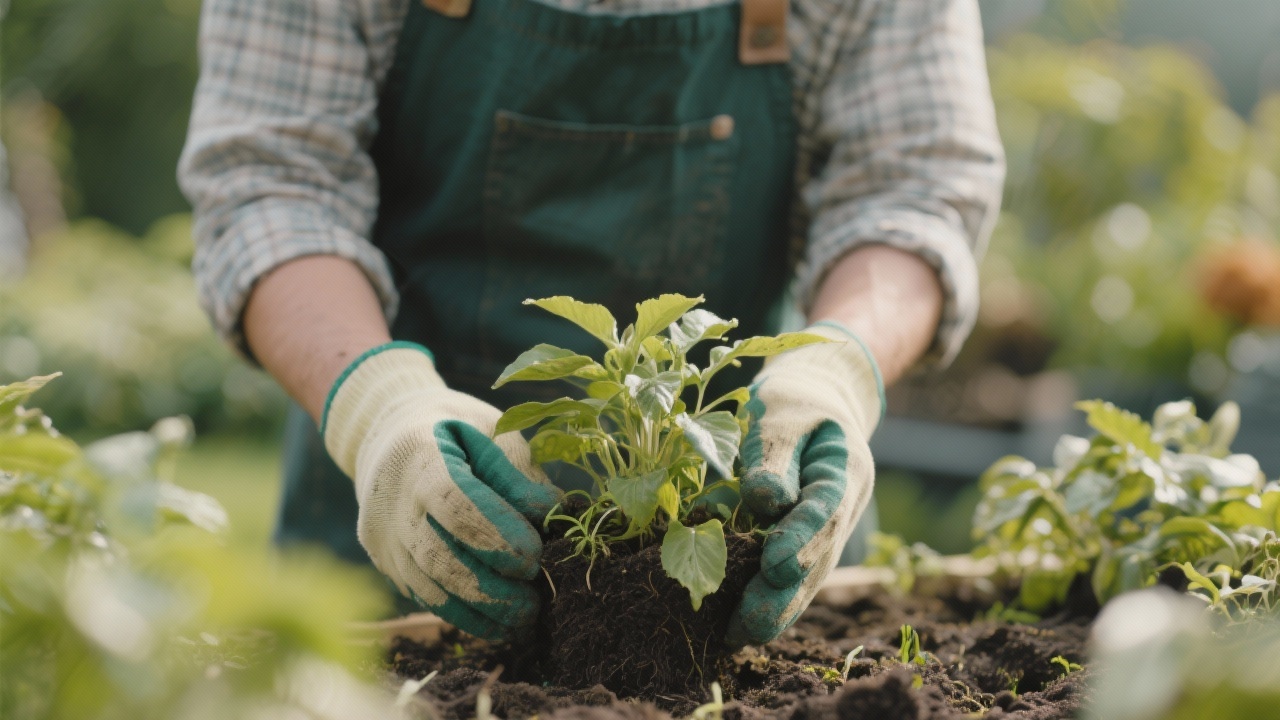
Successful establishment for your Bell Pepper OLLY plants begins with proper timing. Plant only after all risk of frost has passed, when nighttime air temperatures are consistently above 15°C and the soil has warmed. Prepare your vegetable garden by thoroughly weeding and deeply loosening the soil to ensure good aeration. Improve fertility by incorporating a generous amount of mature compost or a quality enriched soil mix. Before planting, it is crucial to acclimate the young plants for 7 to 10 days by gradually exposing them to outdoor conditions to prevent transplant shock. Ensure the root ball is well-moistened; if the plant is root-bound, gently tease the roots apart to encourage outward growth.
Planting and installing the seedling
When planting your Bell Pepper OLLY, dig a hole slightly larger than the root ball and position the seedling so its collar, where the stem meets the roots, is level with the garden soil. Do not bury the stem. Gently backfill the hole, lightly firming the soil around the base to ensure good root contact, and then water generously to settle the earth. For optimal growth, space plants 40 to 50 cm apart in rows separated by 60 cm. Immediately apply a layer of organic mulch like straw around the plant to conserve moisture and suppress weeds. Installing a support stake at the time of planting is a wise step that avoids later root disturbance and supports the future fruit load.
Key takeaway
- Temperature : 15–20°C
- Humidity : Humidité modérée
- Light : Plein soleil
- Transplanting : 3–4 feuilles
Conditions and Preparation for Successful Pepper Planting
For optimal successful regrowth of 'Olly' bell pepper plants within your vegetable gardening efforts, precise timing and preparation are crucial. The ideal period for planting seedlings outdoors is after all danger of frost has passed, typically when both air and soil temperatures consistently reach above 15-18°C. Prior to planting, prepare your garden bed by thoroughly weeding and loosening the soil to a depth of at least 30 cm. Incorporate a generous amount of well-rotted, mature compost or other enriched organic matter to enhance soil structure and fertility, supporting robust initial growth. Young plants require a gradual acclimatization process, or hardening off, over 7-10 days; this involves progressively exposing them to outdoor conditions to prevent transplant shock. Just before planting, ensure the root ball is adequately moist by lightly soaking, or gently tease apart any tightly bound roots to encourage outward growth and better soil contact, vital for healthy establishment in an organic farming context.
Planting and Installation for Robust Growth
When planting 'Olly' bell pepper seedlings, position each plant so that the root ball is at the same depth as it was in its nursery pot, or slightly deeper, burying the stem up to the first true leaves to encourage a stronger root system and promote vigorous successful regrowth. Gently firm the soil around the base of each plant to eliminate air pockets, then create a small basin around the stem and provide a thorough watering immediately after planting to settle the soil and ensure good root-to-soil contact. Maintain a final spacing of approximately 45-60 cm between plants within the row and 60-90 cm between rows to allow for ample air circulation and future development. To conserve soil moisture, suppress weeds, and regulate soil temperature, apply a substantial layer of organic mulch, such as straw or shredded leaves, around the newly planted seedlings. While not strictly necessary at this immediate stage, consider providing light staking or a protective cover if strong winds are prevalent, securing the young plants for their initial establishment in your organic farming patch.
Key takeaway
- Depth: Same depth as nursery pot, or slightly deeper.
- Espacement: 45-60 cm between plants.
- Watering: Thoroughly water immediately; keep soil consistently moist.
- Mulching/ Protection: Substantial organic mulch (straw/leaves); stake if windy.
Managing plant growth and vigor for Bell Pepper Olly
Consistent, deep watering is paramount for Bell Pepper Olly, especially during warm spells and when fruits are setting. Aim for regular applications, typically 2-3 times a week, ensuring the soil is thoroughly moistened without becoming waterlogged to prevent water stress. For sustainable fertilization, integrate nutrient-rich organic farming inputs, such as well-rotted compost or balanced organic granular feeds. Apply these in split doses: a light feed at the onset of flowering and another as fruits begin to develop, supporting robust growth. Regular hoeing and weeding are crucial to minimize competition for resources. Maintain a generous layer of **mulching** around your plants to conserve soil moisture, suppress weeds, and moderate soil temperature. As your Bell Pepper Olly grows, sturdy **staking** will be essential to support its branches and heavy fruit load, preventing damage. Light pruning, like removing non-productive lower leaves or yellowing foliage, can help direct the plant's energy towards fruit development and improve air circulation.
Health protection and environmental balance for Bell Pepper Olly
Effective plant maintenance includes vigilant health monitoring. Regularly inspect your Bell Pepper Olly for early warning signs of **plant diseases** or **garden pests**, such as aphids or leaf spots. Early detection is key to successful intervention. Embrace **ecological gardening** principles by prioritizing prevention through good cultural practices and fostering a balanced environment. If pests or diseases emerge, identify them accurately and opt for gentle, integrated protection solutions like horticultural oils or encouraging beneficial insects, respecting defined intervention thresholds. Protect your plants from adverse climatic conditions; Bell Pepper Olly thrives in consistent warmth, so consider using shade cloth during intense heat to prevent sunscald, and ensure protection from strong winds. To maintain a healthy vegetable garden and limit health issues, implement strategic **crop rotation**, avoiding planting peppers in the same location year after year. Complement this with beneficial intercropping, integrating companion plants to naturally deter pests and enhance overall garden resilience.
Key takeaway
- Type of soil : Light, well-drained, humus-rich loam, pH 6.0-6.8, warm soil
- Care : Light hoeing, regular weeding, support heavy-fruiting stems, monthly compost feed
- Watering : After establishment 1-2x/week, deep watering at base, consistent moisture
- Prevention : 5-8 cm organic mulch, insect netting if needed, avoid overhead watering
Harvest Time and Conditions for Olly Peppers
The optimal harvest of the Olly bell pepper depends on reaching the desired stage of maturity. This is typically indicated by a firm, glossy fruit that has achieved its full size, approximately 70 to 85 days after being established in the vegetable garden. While peppers can be picked when green and crisp, allowing them to fully ripen to their final brilliant color on the plant will develop a sweeter flavour. For best quality and improved preservation, picking should be carried out in the morning after the dew has evaporated. This ensures the fruits are turgid and cool, and a lower ambient humidity reduces the risk of post-harvest issues. Regular harvesting, about every one to two weeks, encourages the plant to continue producing, ensuring a consistent supply of fresh fruit and vegetables throughout the season.
Methods, Handling, and Storage
Following good agricultural practices during picking is crucial for quality. Use clean cutting tools, such as pruning shears or a sharp knife, to cleanly sever the stalk about an inch from the fruit, as pulling can damage the plant. Handle each pepper with care to avoid bruising or puncturing the skin, which can lead to rapid deterioration and oxidation. After picking, a quick sorting helps separate any damaged fruit. For optimal shelf life, especially after a warm day, a rapid pre-cooling process to lower the fruit's core temperature is highly beneficial. The ideal conditions for storage are a cool environment between 7-10°C (45-50°F) with high relative hygrometry of 90-95%. Under these conditions, Olly peppers will remain fresh for two to three weeks, ready for short-distance transport with proper ventilation and protection from impacts.
Key takeaway
- Period : Juin–septembre, selon région
- Stage : Couleur homogène, taille conforme
- Method : Couper au sécateur, sans tirer
- Storage : 8–12°C, sec, aéré (5–7 j)
Taste Profile and Culinary Uses of Bell Pepper Olly
The vibrant fruit of the Bell Pepper Olly is a versatile **garden vegetable**, prized for its distinctly sweet, fresh flavor and satisfyingly crunchy texture when enjoyed raw. For diverse **home cooking**, its crisp flesh softens to a tender, melt-in-the-mouth juiciness when cooked. This delightful pepper is ideal for numerous **culinary preparation** methods: vibrant in salads, quickly sautéed for stir-fries, gently simmered in rich sauces, beautifully roasted to intensify its natural sugars, or elegantly stuffed for a hearty meal. It forms excellent **flavor combinations** with classic aromatic herbs like basil and oregano, spices such as smoked paprika, and complements other **vegetable recipes** featuring tomatoes, onions, or zucchini. Whether undergoing a quick cooking method like a 5-minute wok sauté or a slow, oven **roast** at 180°C for 30 minutes, its inherent sweetness truly shines.
Seasoning, Nutrition, and Storage of Bell Pepper Olly
To enhance its intrinsic **fresh flavor**, Bell Pepper Olly pairs beautifully with a drizzle of good olive oil, a splash of balsamic or apple cider vinegar, a squeeze of fresh lemon, or a sprinkle of flaky sea salt. Fresh garden herbs such as parsley or cilantro, and a touch of black pepper, further elevate its profile. Creamy sauces or plant-based alternatives also complement its sweetness. This remarkable **garden vegetable** offers significant **nutritional value**, being particularly rich in **Vitamin C** and **Vitamin A**, alongside beneficial dietary **fiber** and potent **antioxidants**, making it a healthy addition to any **home cooking**. No specific consumption precautions are typically needed. For optimal short-term **storage**, refrigerate whole peppers for up to a week. For longer durations, consider **freezing** diced or sliced pieces, **canning** them in relishes, or even **drying** them into flavorful flakes. Lacto-fermentation also provides a tangy, probiotic-rich preservation method.
Key takeaway
- Flavor Profile : Sweet, fresh flavor; crunchy raw, tender cooked.
- Classic Uses : Salads (raw); sautéed, roasted, stuffed, simmered.
- Pairings : Herbs (basil, oregano), paprika, tomatoes, olive oil.
- Storage : Refrigerate 1 week; freeze, can, or dry longer.
Companion plants