Tomato Harvard Square
Solanum lycopersicum
A classic taste that's in a class of its own.Dispo. en Juin
- Good source of lycopene, vitamin C, potassium and folate
- Promotes cardiovascular health and supports healthy blood pressure levels
- Lycopene-rich profile helps protect cells against cancer development

certified organic


Plant profile

Growing calendar

Growing tips
Conditions and preparation for planting
For a successful establishment of your Tomato Harvard Square plants, timing and soil preparation are paramount. The ideal planting window opens in spring, well after the last frost date, when consistent air temperatures remain above 15°C and the soil has warmed to at least 12°C. Prepare your vegetable garden bed by thoroughly weeding and loosening the soil to a depth of about 30 cm. Incorporate a generous amount of mature compost or an enriched organic soil to ensure excellent fertility and drainage. Before introducing them to the garden, your young plants require a period of acclimatization, or hardening off, for 7 to 10 days. Gradually expose them to outdoor conditions to prevent transplant shock. An hour before planting, water the seedlings in their pots thoroughly; this hydrates the root ball and makes it easier to remove them without damaging the delicate root system.
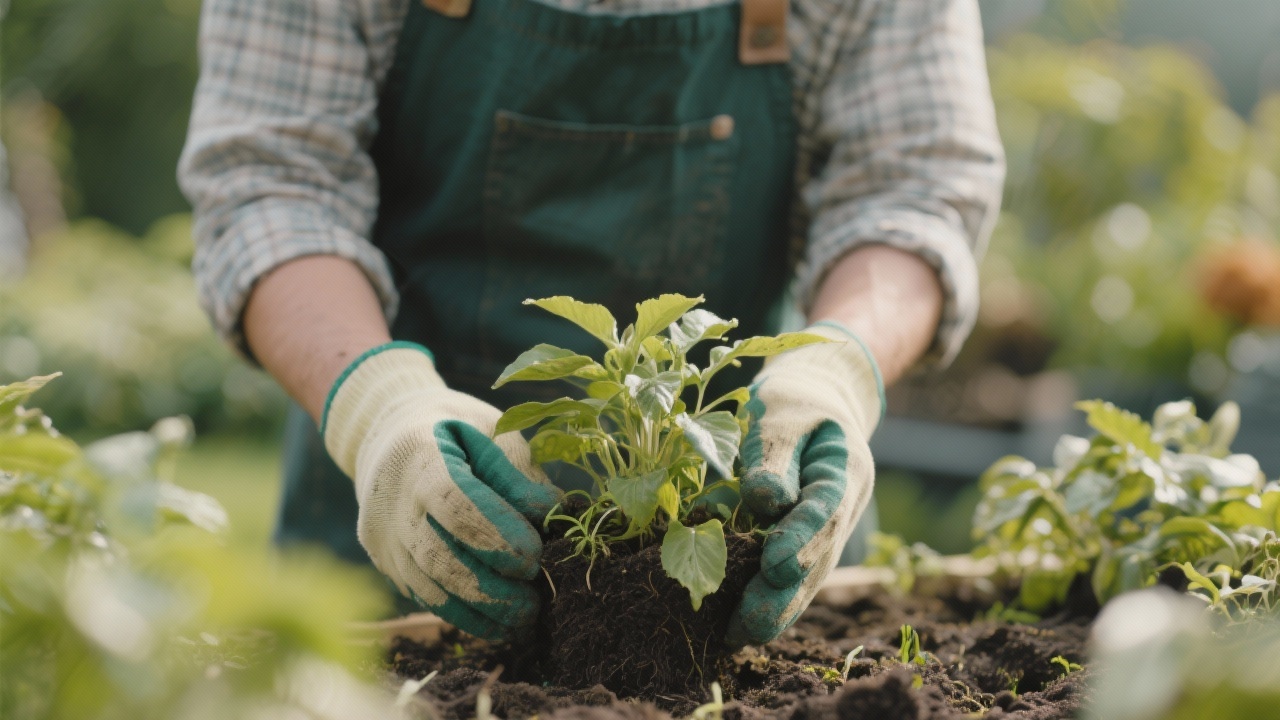
Planting and Installing the SeedlingWhen planting your Tomato Harvard Square seedling, the planting depth is a unique and critical factor. Dig a hole deep enough to bury the stem up to the first set of true leaves, which encourages the development of a stronger root system along the buried portion. After placing the plant in the hole, backfill with soil and gently firm it around the stem to eliminate air pockets. Provide a deep, immediate watering to settle the soil and hydrate the roots. For optimal air circulation and growth, maintain a final spacing of 60 to 90 cm between plants and about 100 cm between rows. Apply a layer of organic mulch, such as straw or shredded leaves, right away to conserve soil moisture and suppress weeds. Finally, install a sturdy stake or tomato cage at the time of planting to provide support as the vine grows, avoiding root damage later on.
Key takeaway
- Temperature : 15–20°C
- Humidity : Humidité modérée
- Light : Plein soleil
- Transplanting : 3–4 feuilles
Conditions and Preparation for Planting
For successful **planting** of your 'Harvard Square' tomato, ensure **late spring frosts** have passed and both **air temperature** consistently exceeds 15°C, with **soil temperature** ideally at 18-20°C for optimal **root establishment** and **successful regrowth**. Prepare your **vegetable garden** bed by clearing **weeds** and **loosening** the soil to 25-30 cm. Incorporate generous amounts of mature compost or **enriched soil** to foster fertility, a cornerstone of **organic farming** and **healthy plant development**. Prior to planting, **acclimatize** young plants for 7-10 days to outdoor conditions, mitigating transplant shock. If the root ball is dry, soak it briefly; gently tease apart any circling roots from the *root ball* to encourage outward growth.
Planting and Installing the Seedling
For 'Harvard Square' tomatoes, **planting** involves burying the seedling deeply, up to the first set of true leaves. This encourages new roots along the stem, fostering a stronger **root system** and superior **plant stability**. Gently firm the soil around the base, then form a basin and provide a thorough initial **watering** to settle the soil, crucial for **successful regrowth**. In your **vegetable garden**, maintain **60-90 cm** spacing between plants within the row, and **90-120 cm** between rows for adequate air circulation. Immediately after **planting**, apply a 5-10 cm layer of organic mulch (e.g., straw) to conserve **soil moisture**, regulate **soil temperature**, and suppress **weed competition**, aligning with **organic farming** principles. Install sturdy stakes or cages at this stage to support vigorous growth and protect the developing **root system**.
Key takeaway
- Depth: Bury deeply, 5-10 cm deeper than root ball
- Espacement: 60-90 cm between plants
- Watering: Thorough initial; then consistent, frequent
- Mulching/ Protection: 5-10 cm organic mulch; install stakes/cages
Managing Plant Growth and Vigor for Tomato 'Harvard Square'
Maintaining the vigor of 'Harvard Square' tomatoes relies on consistent plant maintenance practices. Crucial among these is the watering regime: provide deep, infrequent irrigation, aiming for 5-7 liters per plant two to three times weekly, adjusted for weather. This encourages deep root development and prevents `water stress` and associated issues like blossom end rot. For sustainable fertilization, incorporate `organic inputs` such as well-rotted compost or a balanced organic granular fertilizer. Apply these in a `splitting` logic, at fruit set and again mid-fruiting, to support continuous growth and fruit development, aligning with `ecological gardening` principles. Regular hoeing is essential to manage weeds and improve soil aeration around the root zone. Maintain a consistent layer of mulching (e.g., straw or shredded leaves) to conserve soil moisture, suppress competing weeds, and regulate soil temperature. As an indeterminate variety, 'Harvard Square' benefits from judicious pruning of suckers to direct energy into fruit production, and robust staking is vital to support the heavy fruit load and ensure good air circulation.
Health Protection and Environmental Balance for Thriving Tomatoes
Effective health monitoring is paramount for 'Harvard Square' tomatoes, requiring daily inspection for early `warning signs` of `plant diseases` like blight or powdery mildew, and `garden pests` such as aphids or hornworms. Adopting principles of integrated and ecological protection means prioritizing prevention through optimal `vegetable garden maintenance` and strong plant health. Intervene with gentle solutions, like insecticidal soap or neem oil, only when pest populations exceed `intervention thresholds`. Managing `climatic conditions` is also key; ensure good air circulation to reduce humidity and fungal risks, and consider providing temporary `shade` during extreme heat. To build a resilient garden ecosystem and minimize health problems, consistently implement crop rotation to disrupt disease and pest cycles in the soil. Furthermore, strategic `intercropping` with companion plants can naturally deter pests, contributing to a balanced and productive environment.
Key takeaway
- Type of soil : Light, well-drained, humus-rich soil, pH 6.0-6.8
- Care : Stake or cage, prune suckers regularly, light hoeing, balanced feed every 2 weeks
- Watering : Deep watering 1-2x/week at base, consistent moisture, avoid leaf wetting
- Prevention : 5-8 cm organic mulch, copper spray preventive, crop rotation, good airflow
Harvest Time and Conditions
The optimal harvest of the Tomato Harvard Square is determined by precise indicators of maturity. A fruit is ready when it displays a deep, uniform crimson color from the blossom end to the shoulder and yields slightly to gentle pressure. This stage is typically reached 75 to 85 days after transplanting. For best results, picking should occur on a dry day, preferably in the late morning after the dew has evaporated, to minimize surface humidity on the fruit. This practice, a cornerstone of good agricultural practices, reduces the risk of fungal development post-harvest. As an indeterminate variety, this plant provides a staggered production, allowing for a regular harvest every two to three days at the peak of the season, ensuring a consistent supply of fresh fruit and vegetables directly from your vegetable garden.
Methods, Handling, and Storage
Harvesting should be performed with care to preserve the fruit's quality. While many tomatoes can be detached with a gentle twist at the stem's natural joint, using clean cutting tools like pruning shears is recommended to avoid damaging the vine, a method often favored in organic farming. Handle the fruit delicately, placing it in a shallow container to prevent bruising and subsequent oxidation. After picking, a brief period in a cool, shaded location acts as a simple pre-cooling step. For optimal preservation, storage should be at a room temperature between 12°C and 18°C, away from direct sunlight. Avoid refrigeration, as it degrades flavor and texture. With a relative hygrometry (humidity) of around 90%, Harvard Square tomatoes will maintain their quality for approximately one week. For short-distance transport, arrange the fruits in a single layer to prevent any impact damage.
Key takeaway
- Period : 11-12 weeks after transplanting
- Stage : Deep crimson, slightly soft to touch
- Method : Cut stem with clean pruning shears
- Storage : Room temp (12-18°C), 90% RH, ~1 week
The Culinary Versatility of Harvard Square Tomatoes
The 'Harvard Square' tomato is excellent for home cooking. Its vibrant fruit boasts a superb balance of sweetness and delicate acidity, delivering a quintessential fresh flavor. The meaty yet incredibly juicy texture makes it ideal for diverse culinary preparation. Enjoyed raw, sliced in salads or diced for pico de gallo, its robust character shines. For cooked vegetable recipes, 'Harvard Square' excels when gently sautéed, simmered into quick sauces, or slowly roasted to concentrate sugars and reveal deep umami notes. It pairs exceptionally well in flavor combinations with fresh mozzarella, pungent onions, aromatic basil, and balsamic glaze. Cooking times are flexible: a brief sauté (5-7 min) or roasting (20-30 min at 200°C/400°F) intensifies its rich character.
Seasoning, Nutrition, and Preservation for Optimal Enjoyment
Simple seasoning tips enhance the 'Harvard Square' tomato. Extra virgin olive oil, aged balsamic or red wine vinegar, and a pinch of sea salt are often sufficient. Fresh herbs (basil, oregano) and black pepper also complement its profile. Regarding nutritional value, these vibrant fruits are rich in Vitamins C and K, potassium, and antioxidant lycopene, contributing to a balanced diet. Proper storage is key for optimal enjoyment and reduced waste. For short-term storage, keep ripe tomatoes at room temperature away from direct sunlight; refrigerate only to extend shelf life. For long-term preservation, they can be frozen (whole/pureed), canned (sauces/diced), or dried for intense, concentrated flavor, offering a taste of the garden year-round.
Key takeaway
- Flavor Profile : Sweet, acidic, fresh flavor; meaty, juicy texture.
- Classic Uses : Raw in salads/salsas; sautéed, simmered, roasted.
- Pairings : Mozzarella, onions, basil, balsamic, olive oil, salt.
- Storage : Room temp (short); refrigerate, freeze, can, dry.

Companion plants