Tomato Sergeant Pepper
Solanum lycopersicum
Stunning dark shoulders blush to a rosy red.Dispo. en Juin
- High in anthocyanins, vitamin C and beta-carotene antioxidants
- Supports eye health and strengthens immune defense mechanisms effectively
- Purple pigments offer enhanced cellular protection against degenerative diseases

certified organic


Plant profile

Growing calendar

Growing tips
Conditions and Preparation for Planting
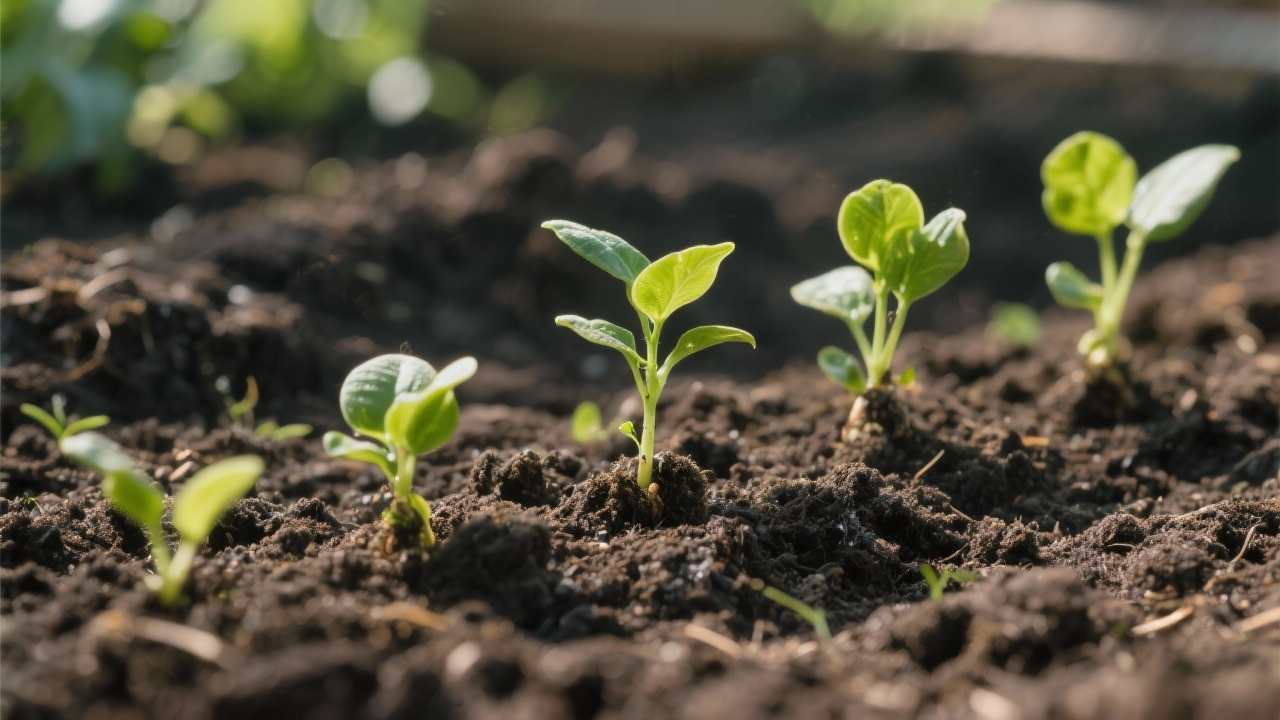
Successful establishment of Sergeant Pepper tomatoes begins with proper timing and soil preparation. Plant your seedlings after all risk of frost has passed, when night-time air temperatures consistently remain above 12°C and the soil has warmed to at least 15°C. Prepare your garden plot by removing all competing weeds and loosening the soil. Incorporate a generous amount of mature compost or enriched garden soil to create a fertile and well-draining environment for the young plants. Before transplanting, it is crucial to acclimatize your seedlings over 7 to 10 days. This hardening-off process, which involves gradually exposing them to outdoor conditions, prevents transplant shock. Water the root ball thoroughly just before planting to ensure it is well-hydrated.
Planting and Installing the Seedling
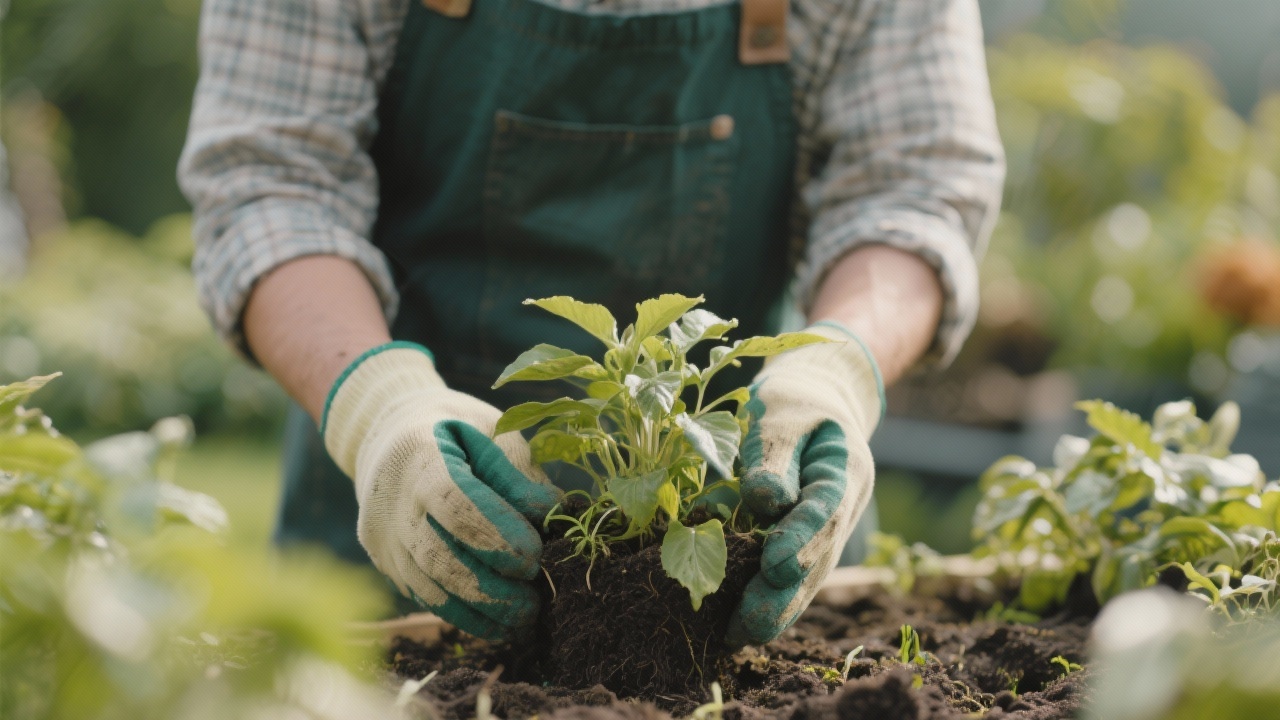
Dig a hole deeper than the seedling's container. Deep planting is highly beneficial for tomatoes, so place the plant in the hole and bury the stem right up to the first set of true leaves. This technique encourages a stronger root system to develop along the buried stem. Backfill the hole, lightly firming the soil to eliminate air pockets. Water thoroughly immediately after planting to settle the soil and hydrate the roots. Ensure proper plant spacing of 70 cm between plants and 100 cm between rows for good air circulation. Apply a thick layer of organic mulch around the plant's base to conserve soil moisture and suppress weed growth. Finally, install a sturdy stake or support system at the time of planting to avoid damaging the roots later.
Key takeaway
- Temperature : 21-27°C ideal
- Humidity : Moderate humidity required
- Light : Full sun; 6-8+ hours
- Transplanting : 4-6 true leaves developed
Conditions and Preparation for Planting Tomato Sergeant Pepper
For successful planting of Tomato Sergeant Pepper, timing and thorough preparation are paramount for robust regrowth. Ensure all danger of frost has unequivocally passed, with consistent nighttime air temperatures remaining above 10°C and daytime averages between 20-25°C. The soil itself should have warmed to at least 15°C. Prior to planting, prepare your designated vegetable gardening bed by meticulously weeding and deeply loosening the soil to improve aeration and drainage. Incorporate a generous amount of well-decomposed mature compost or a high-quality enriched organic soil into the top 20-30 cm to provide essential nutrients and enhance soil structure. Acclimatize young plants by gradually exposing them to outdoor conditions for 7-10 days, a process crucial for hardening them off and preventing transplant shock. Before final planting, gently inspect the root ball; if roots are tightly matted, carefully tease them apart or perform light root pruning to encourage expansive outward growth and successful establishment.
Planting and Installing the Tomato Sergeant Pepper Seedling
When planting Tomato Sergeant Pepper, dig a hole deep enough to bury the stem up to the first set of true leaves; this encourages additional root formation along the buried stem, leading to a stronger foundation and superior regrowth. Carefully position the seedling, backfill with prepared soil, and gently firm the earth around the base to eliminate any air pockets. Form a small basin around each newly planted tomato and provide a comprehensive watering immediately after planting to settle the soil and ensure adequate hydration for the roots. For optimal air circulation and development within your organic farming space, ensure generous spacing: aim for 75-90 cm between individual plants and 90-120 cm between rows. Immediately apply a thick layer of organic mulch around the seedlings to conserve soil moisture, suppress weed competition, and maintain stable soil temperatures. Given their vigorous indeterminate growth habit, install a sturdy stake or support system at the time of planting or very shortly thereafter.
Key takeaway
- Depth : Bury stem up to first true leaves.
- Espacement : 75-90 cm between plants.
- Watering : Comprehensive watering immediately after planting.
- Mulching/ Protection : Thick organic mulch; install sturdy stake/support.
Managing Plant Growth and Vigor for 'Sergeant Pepper' Tomatoes
For robust growth of your 'Sergeant Pepper' tomatoes, consistent watering is paramount. Aim for deep, infrequent irrigation (approximately 2-3 litres per plant every 2-3 days in dry spells), focusing at the root zone to minimize water stress. For sustainable fertilization, embrace organic farming; apply well-decomposed compost or a balanced organic feed every 3-4 weeks from fruit set, splitting applications to match plant needs. Regular hoeing and maintaining a thick layer of mulching are crucial for moisture retention, weed suppression, and reduced vegetable garden maintenance. As an indeterminate variety, 'Sergeant Pepper' demands strong staking or caging. Regular pinching of lateral suckers directs energy into fruit production, improves air circulation, and reduces susceptibility to plant diseases.
Health Protection and Environmental Balance for 'Sergeant Pepper' Tomatoes
Vigilant health monitoring is key: regularly inspect leaves, stems, and fruit for warning signs of plant diseases or garden pests. Embrace ecological gardening through integrated protection, prioritizing prevention. Ensure good air circulation via proper spacing and strategic pruning. For pest issues, consider beneficial insects or gentle, targeted solutions like insecticidal soaps only when intervention thresholds are met. Manage climatic conditions by providing temporary shade during intense sun and minimizing strong winds. Promoting long-term garden health relies on sound practices like crop rotation, ensuring solanaceous plants avoid the same bed for 3-4 years to break disease cycles. Strategic intercropping fosters a more resilient vegetable garden ecosystem.
Key takeaway
- Type of soil : Light, well-drained, humus-rich soil, pH 6.0-6.8
- Care : Stake indeterminate vines, prune suckers, regular weeding, feed every 2 weeks
- Watering : Deep watering 1-2x/week at base, consistent moisture, never waterlog
- Prevention : 5-8 cm organic mulch, copper spray preventive, remove lower foliage for airflow
Harvest Time and Conditions
The optimal stage of maturity for the Sergeant Pepper tomato is visually distinct and a key moment in the vegetable garden. The harvest can begin when the lower part of the fruit transitions to a rich pinkish-red, while the shoulders exposed to the sun display a deep, almost black, anthocyanin purple. The flesh should feel firm with a slight give under gentle pressure. This typically occurs around 75 to 85 days after planting. To ensure the highest quality of these fresh fruit and vegetables, it is best to pick them in the morning, once any dew has evaporated, and during dry weather to minimize the risk of splitting. A regular harvest every two to three days will stimulate the plant to produce more fruit throughout the season, ensuring a consistent and generous yield without stressing the plant, a principle central to organic farming.
Methods, Handling, and Storage
Following good agricultural practices during picking is essential for fruit quality and preservation. Use clean cutting tools like pruning shears or a sharp knife to snip the stem just above the calyx, which prevents damage to the plant and reduces the risk of oxidation on the fruit. Handle each tomato with care to avoid bumps and bruises. After picking, gently wipe the fruit clean rather than washing it, as excess moisture can accelerate decay. For optimal storage, keep the tomatoes in a single layer in a well-ventilated area at a cool room temperature, ideally between 12°C and 18°C, away from direct sunlight. Avoid refrigeration, which degrades their texture and flavour. With proper hygrometry (relative humidity) around 85-90%, they will keep perfectly for about a week, allowing you to transport them over short distances while maintaining their freshness.
Key takeaway
- Period : 75-85 days after planting, then ongoing.
- Stage : Pinkish-red lower, purple shoulders; firm with slight give.
- Method : Snip stem just above calyx with clean shears.
- Storage : Cool room (12-18°C), 85-90% RH, ~1 week.
Culinary Profile and Preparation of Sergeant Pepper Tomato
The 'Sergeant Pepper' tomato, a star among garden vegetables, delivers a rich culinary experience. Its substantial fruit boasts a complex flavor profile: a harmonious sweetness with deep, smoky undertones and low acidity, culminating in a robust umami finish. The texture is notably meaty, firm yet juicy, ideal for diverse culinary preparations. Enjoy it simply raw, sliced for its vibrant fresh flavor in salads, or paired with mozzarella and basil. For depth, gently roast halves to intensify sugars, creating a sublime base for vegetable recipes. It also excels when simmered into rich sauces. Excellent flavor combinations include garlic, thyme, balsamic vinegar, and Mediterranean herbs, elevating any home cooking endeavor.
Seasoning, Nutrition, and Preservation for Optimal Enjoyment
For any home cooking endeavor, complement the 'Sergeant Pepper' tomato with high-quality extra virgin olive oil, a splash of aged balsamic vinegar, and flaky sea salt. Freshly ground black pepper and aromatic herbs like basil or oregano further enhance its qualities. This garden vegetable also offers valuable nutritional value, providing Vitamin C, potassium, and beneficial antioxidants like lycopene, contributing to a healthy diet. For optimal fresh flavor and texture, store ripened tomatoes at room temperature; refrigerate only if fully ripe for brief extension. For long-term storage, 'Sergeant Pepper' tomatoes are superb for canning into sauces, freezing diced, or slowly drying. Lacto-fermentation offers another unique, tangy preservation method.
Key takeaway
- Flavor Profile : Sweet, smoky, umami, low acid; meaty, firm.
- Classic Uses : Raw (salads), roasted, simmered (sauces).
- Pairings : Balsamic, olive oil, garlic, basil, thyme, salt.
- Storage : Room temp (short), freeze, can, dry.

Companion plants