
Tomato Brad'S Atomic Grape
Solanum lycopersicum
An out-of-this-world flavor explosion.- Packed with anthocyanins, lycopene and multiple essential vitamins
- Improves blood vessel elasticity and supports cardiovascular system health
- Exceptional antioxidant diversity provides broad-spectrum disease prevention benefits
Origine des graines : Pays-Bas
Certification bio NL-BIO-01.528-0006532.2025.002
GTIN : 3770042795529
Plant Profile

Cultivation Calendar

Growing Tips
Conditions and preparation for planting
Successful establishment of your Brad's Atomic Grape tomato plants starts with proper timing. Plant only after all risk of frost has passed and the soil has warmed to at least 15°C, with consistent air temperatures above 12°C. Prepare your garden bed by weeding thoroughly and loosening the soil to a depth of about 30 cm. Incorporate a generous amount of mature compost to improve fertility and structure. Before transplanting, it is crucial to acclimatize your young plants over 7 to 10 days by gradually exposing them to outdoor conditions, which prevents transplant shock. Water the seedlings in their pots a few hours before planting to ensure the root ball is moist and easy to handle.
Planting and installing the seedling
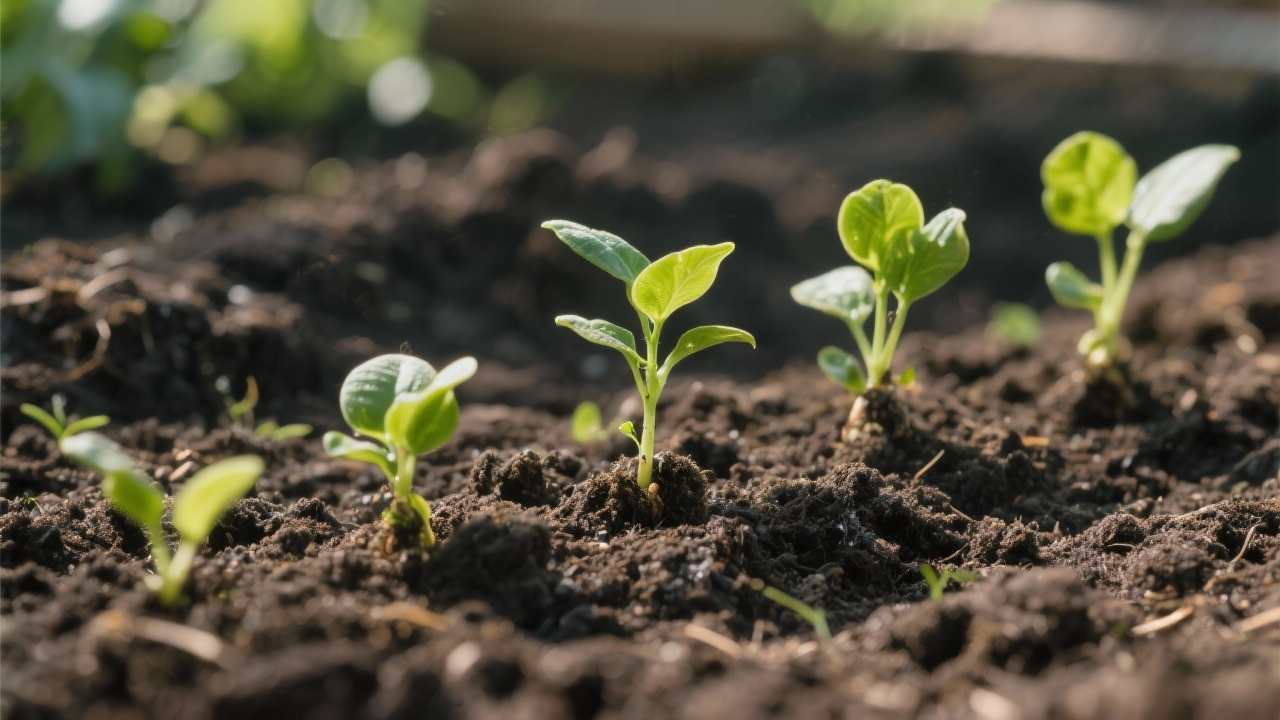
For a robust start, plant your tomato seedling deeper than it was in its pot. Dig a hole to bury the stem up to the first set of true leaves, which promotes a strong adventitious root system. Backfill with soil and gently compact it around the base to ensure good root contact. Immediately provide a generous watering to settle the soil and eliminate air pockets. Space your plants 60 to 80 cm apart, with 80 to 100 cm between rows, to allow for good air circulation. Apply a thick layer of organic mulch, like straw, to conserve moisture and suppress weeds. Since this is an indeterminate variety, install a sturdy stake or cage at planting time to support future growth without damaging the roots.
Key Points
- Temperature : 21-27°C
- Humidity : Moderate
- Light : Full sun
- Transplanting : 4-6 true leaves
Ideal Conditions and Preparation for Planting
For Brad's Atomic Grape tomato plants, the ideal planting period is after all danger of frost has passed, when air temperatures are consistently above 10°C and soil warms to 15-20°C. In your vegetable garden, select a sunny site and meticulously weed. Thoroughly loosen the soil (30 cm depth), incorporating generous mature compost or enriched organic material for organic farming success. Young seedlings need 7-10 days of hardening off to prevent transplant shock. Before planting, ensure moist root balls (soak if dry) and gently tease apart circling roots for better outward growth and successful regrowth.
Planting and Initial Installation
Bury each Brad's Atomic Grape seedling deeper, up to the first true leaves. This encourages new roots along the stem, promoting a more vigorous plant for successful regrowth. Gently backfill the hole, lightly compacting soil around the root ball to eliminate air pockets. Form a small basin for targeted watering, then provide a deep initial watering to settle soil and encourage immediate establishment. Maintain spacing of 60-90 cm between plants and 90-120 cm between rows for optimal air circulation in your vegetable garden. Immediately apply 5-10 cm of organic mulch to conserve moisture, suppress weed competition, and moderate soil temperature, aligning with organic farming. Provide immediate staking or caging to support developing plants.
Key Points
- Depth: Bury stem up to first true leaves.
- Espacement: 60-90 cm between plants, 90-120 cm rows.
- Watering: Deep initial watering; keep soil consistently moist.
- Mulching/ Protection: 5-10 cm organic mulch; install sturdy stakes.
Managing Plant Growth and Vigor for Brad's Atomic Grape Tomato
Effective plant maintenance for Brad's Atomic Grape tomato hinges on consistent care. Implement a deep, infrequent watering regime, typically 2-3 times a week, providing 2-3 liters per plant, adjusting for conditions. This approach prevents water stress and encourages robust root systems. For fertilization, embrace sustainable organic farming; apply balanced organic inputs in split doses every 3-4 weeks once fruiting starts, ensuring steady nutrient availability. Regular hoeing aerates soil and controls weeds. A generous layer of organic mulching conserves moisture, suppresses weeds, and moderates soil temperature. As an indeterminate variety, strong staking or trellising is essential for support. Strategic pinching of non-fruiting suckers directs plant energy towards fruit production and improves air circulation, supporting vigor.
Health Protection and Environmental Balance for Brad's Atomic Grape Tomato
Proactive health monitoring is crucial for this crop. Regularly inspect plants for early warning signs of plant diseases or garden pests, enabling timely, gentle interventions. Embrace ecological gardening principles, prioritizing prevention through proper nutrition and garden hygiene. When issues arise, opt for biological controls or organic-approved treatments. Manage climatic conditions by providing afternoon shade during intense heat, ensuring good air circulation to reduce high humidity, and protecting from strong wind. For long-term vegetable garden maintenance, strict crop rotation is vital to prevent soil-borne pathogen buildup. Beneficial intercropping further enhances biodiversity, contributing to a balanced garden ecosystem, and limiting health problems.
Key Points
- Type of soil : Light, well-drained, humus-rich soil, pH 6.0-6.8
- Care : Tall indeterminate: strong staking essential, prune suckers, feed every 2 weeks
- Watering : Deep watering 1-2x/week at base, consistent moisture, avoid leaf splash
- Prevention : 5-8 cm organic mulch, copper preventive, good airflow, crop rotation
Harvest Time and Conditions
The optimal harvest for Tomato Brad's Atomic Grape is determined by a unique visual and tactile assessment of its maturity. Look for the fruit to transition from a lavender-striped green to a complex palette of olive-green, red, and purplish-brown, indicating peak ripeness. A slight give under gentle pressure also confirms the fruit is ready. This stage is typically reached 75 to 80 days after planting. For the highest quality fresh fruit and vegetables, pick in the morning after the dew has evaporated but before the afternoon heat, as this practice helps maintain firmness and flavour. As an indeterminate variety, this tomato offers a prolonged production period; frequent picking every two to three days will encourage the plant to yield continuously throughout the season, a rewarding outcome for any vegetable garden managed with good agricultural practices.
Methods, Handling, and Storage
To ensure a clean harvest and protect the plant, use sharp cutting tools like pruning shears or a knife to snip the fruit's stem, leaving the small green calyx attached for better preservation. Handle each tomato gently to avoid bruising, which can lead to rapid decay and oxidation. After picking, sort the fruits, setting aside any that are damaged, and wipe them clean with a dry cloth rather than washing, as excess humidity can accelerate spoilage. A simple form of pre-cooling involves moving your harvest to a shaded, cool location immediately after picking. For optimal storage, keep the tomatoes at a cool room temperature, ideally between 12-15°C (55-60°F), away from direct sunlight. Under these conditions, they will retain their exceptional quality for up to a week, making them perfect for short-distance transport in a single, well-ventilated layer.
Key Points
- Period : 75-80 days after planting; continuous harvest
- Stage : Olive-green, red, purplish-brown; slight give
- Method : Snip stem with sharp tools; leave calyx
- Storage : 12-15°C (55-60°F), cool room, up to week
Culinary Delights of Brad's Atomic Grape Tomatoes
The Brad's Atomic Grape tomato, a jewel among garden vegetables, offers a truly unique sensory experience for home cooking. Its primary edible part is the fruit, bursting with a vibrant, kaleidoscopic skin and a firm yet exquisitely juicy flesh. This miniature marvel presents a complex flavor profile: a harmonious balance of intense sweetness underpinned by a refreshing tartness, often described with fruity, almost tropical notes. These delectable fruits are perfectly suited for myriad culinary preparations. Enjoy them raw, sliced into vibrant salads, tossed whole into pasta dishes for a burst of fresh flavor, or simply as a gourmet snack. For deeper flavor, a quick roasting in a moderate oven for 15-20 minutes intensifies their sweetness, making them ideal for bruschetta or warm grain bowls. They pair exquisitely with fresh basil, creamy mozzarella, robust olive oil, or a touch of balsamic glaze, enhancing countless vegetable recipes with their distinctive appeal.
Seasoning, Nutrition, and Preserving Brad's Atomic Grape Tomatoes
To elevate the intrinsic taste of Brad's Atomic Grape tomatoes, consider simple yet effective seasoning tips. A drizzle of high-quality extra virgin olive oil, a sprinkle of sea salt and freshly cracked black pepper, or a scattering of finely chopped fresh herbs like thyme or oregano will enhance their natural zest. For an added brightness, a squeeze of lemon or a splash of red wine vinegar can awaken their complex notes. From a nutritional value standpoint, these tomatoes are a fantastic source of Vitamin C, potassium, and dietary fiber, alongside powerful antioxidants like lycopene, which contribute to overall wellness without making excessive health claims. Regarding storage, for optimal fresh flavor, keep ripe tomatoes at room temperature away from direct sunlight for a few days. For longer-term preservation methods, these versatile fruits excel. They can be frozen whole or chopped, canned as sauces or diced tomatoes, or even slowly dried in a dehydrator or low oven to create intensely flavored tomato "raisins," perfect for year-round enjoyment from your garden's bounty.
Key Points
- Flavor Profile : Intense sweet-tart, fruity, tropical notes; firm, juicy.
- Classic Uses : Raw (salads, pasta, snacks); Quick roasted (bruschetta).
- Pairings : Basil, mozzarella, olive oil, balsamic glaze.
- Storage : Room temp (days); Freeze, can, dry.
Smart Companions


