Tomato Emerald Brocade
Solanum lycopersicum
A masterpiece of color and pattern on the vine.Dispo. en Juin
- Contains chlorophyll, vitamin C, and unique green-fruit antioxidants
- Supports liver function and promotes healthy detoxification pathways
- Chlorogenic acid helps protect against type 2 diabetes development

certified organic


Plant profile

Growing calendar


Growing tips
Conditions and Preparation for Planting
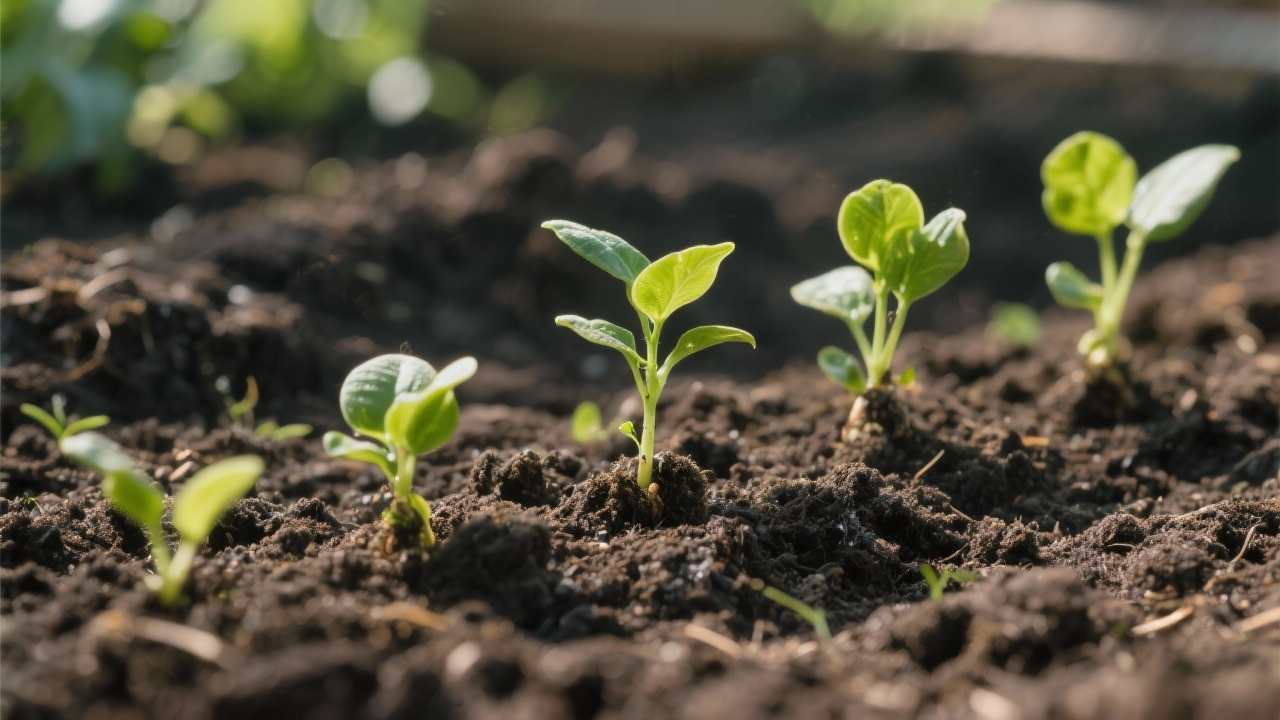
For a successful establishment, transplant your Tomato Emerald Brocade seedlings into the vegetable garden once all risk of frost has passed and the climate is consistently mild. The ideal conditions are a daytime air temperature above 15°C and a soil temperature of at least 12°C. Prepare your plot by thoroughly weeding the area and loosening the soil to a good depth to promote root development. Enhance soil fertility by incorporating a generous amount of mature compost or enriched organic soil. Before their final placement, it is essential to acclimatize the young plants over 7 to 10 days by gradually exposing them to outdoor sun and wind, which prevents transplant shock. A thorough watering of the seedling's pot an hour before planting will ensure the root ball remains cohesive.
Planting and Installing the Seedling
When planting, dig a hole deep enough to bury the stem up to its first set of true leaves. This technique is specific to tomatoes and encourages a more extensive root system to form along the buried stem, leading to a sturdier plant. Gently firm the soil around the base to ensure good contact and eliminate air pockets, then provide a generous initial watering to settle the soil. For optimal growth and air circulation, maintain a final spacing of 60 cm between plants and 90 cm between rows. Immediately apply a thick layer of organic mulch, such as straw or shredded leaves, to conserve soil moisture and suppress weed competition. Installing a sturdy stake or support cage at the time of planting is highly recommended to avoid damaging the roots later on.
Key takeaway
- Temperature : 15–20°C
- Humidity : Humidité modérée
- Light : Plein soleil
- Transplanting : 3–4 feuilles
Conditions and Preparation for Planting 'Emerald Brocade' Tomatoes
For a strong start in your vegetable gardening journey, plant 'Emerald Brocade' tomato seedlings only after all frost danger has passed, when air and soil temperatures consistently exceed 15°C (59°F). Prepare the planting site by thorough weeding and loosening the soil to 30-40 cm, then enriching it with mature organic compost or nutrient-rich soil to ensure robust root establishment and future successful regrowth. Acclimatize young plants for 7-10 days through gradual outdoor exposure, a process called hardening off, which prepares them for field conditions. Before transplanting, gently untangle any circling roots at the root ball's base or lightly prune dense outer roots, then hydrate the root ball thoroughly by soaking it in water for 10-15 minutes.
Planting and Installing 'Emerald Brocade' Tomato Seedlings
For optimal planting, dig a hole deep enough to bury the 'Emerald Brocade' seedling up to its first true leaves; this technique promotes extensive secondary root development for a stronger plant. Carefully place the seedling, backfill, and gently compact the soil to eliminate air pockets. Immediately create a small basin around each plant and provide thorough watering to settle the soil and ensure good root-to-soil contact. Position plants with a final spacing of 60-90 cm between plants and 90-120 cm between rows, allowing ample room for growth in your organic garden. Apply an immediate 5-10 cm layer of organic mulch, such as straw, to conserve moisture and suppress weeds. Given their vigorous nature, install stakes or cages at planting to provide essential early support for continuous successful regrowth.
Key takeaway
- Depth: Bury stem up to first true leaves.
- Espacement: 60-90 cm between plants, 90-120 cm rows.
- Watering: Thorough initial watering; maintain consistent moisture.
- Mulching/ Protection: 5-10 cm organic mulch; install stakes/cages early.
Managing Plant Growth and Vigor
For 'Emerald Brocade' tomatoes, consistent watering is paramount, especially during fruit set and development, to prevent water stress and maintain fruit quality. Aim for deep, infrequent irrigation, roughly 2-3 times a week depending on climate and soil, delivering about 1-1.5 inches of water per week. Implement a sustainable fertilization program using organic inputs like compost tea or balanced granular organic fertilizers, split into applications at flowering and initial fruit development. This supports vigorous growth without overfeeding. Regular hoeing around the base keeps weeds at bay, reducing competition for nutrients and water. Maintain a generous layer of mulching material, such as straw or shredded leaves, to conserve soil moisture, regulate soil temperature, and suppress weeds. While 'Emerald Brocade' is determinate, light pruning of lower, yellowing leaves improves air circulation and can reduce disease risk. Staking or caging is advisable for support as fruit load increases during plant maintenance.
Health Protection and Environmental Balance
Vigilant health monitoring is crucial for effective plant maintenance. Regularly inspect 'Emerald Brocade' plants for early signs of plant diseases or garden pests, such as leaf spots, wilting, or insect damage. Adopt ecological gardening principles by implementing integrated protection strategies. This means prioritizing prevention, utilizing beneficial insects, and only intervening with gentle, organic solutions when pest or disease pressure crosses an acceptable threshold. Managing climatic conditions is key; ensure good air circulation to mitigate humidity, and consider temporary shade cloth during extreme heat. Optimal vegetable garden maintenance includes anticipating environmental stresses. Furthermore, practicing robust crop rotation in your garden plots is vital. Rotating tomatoes with non-solanaceous crops helps break disease cycles and limits the buildup of soil-borne pathogens and pests specific to tomatoes, contributing to overall soil health and a balanced ecosystem.
Key takeaway
- Type of soil : Light, well-drained, humus-rich soil, pH 6.0-6.8
- Care : Stake indeterminate vines, prune suckers, light hoeing, potassium-rich feed at fruiting
- Watering : Deep watering 1-2x/week at base, consistent moisture, avoid leaf wetting
- Prevention : 5-8 cm organic mulch, copper spray preventive, good air circulation, rotation
Harvest Time and Conditions
The harvest of the Emerald Brocade tomato is guided by precise indicators of maturity, crucial for capturing its unique flavor profile. Rather than turning red, this variety signals its readiness when its dark green stripes develop a distinct golden-amber hue and the fruit feels firm yet yields slightly to gentle pressure. In your vegetable garden, the first fresh fruit and vegetables are typically ready for picking 70 to 80 days after transplanting. For optimal quality, conduct the harvest in the morning when the cool air helps maintain fruit firmness and sugar content. Always operate in dry conditions to prevent the spread of fungal diseases. A staggered harvest, picking ripe fruits every two or three days, ensures a consistent supply and encourages the plant to continue producing.
Methods, Handling, and Storage
Employing correct techniques is essential for quality preservation. Use clean cutting tools, such as pruning shears or a sharp knife, to snip the fruit's stem, leaving a small portion attached. This method, a key element of good agricultural practices, prevents tearing the plant and reduces the risk of disease entry. Handle each tomato with care to avoid bruising, which can lead to rapid oxidation and decay. After picking, sort the fruits and gently wipe them with a dry cloth; avoid washing until just before use, as excess humidity can accelerate spoilage. For optimal storage and flavor, keep the tomatoes at room temperature (around 18-21°C) and out of direct sunlight, where they will keep for several days. This approach is particularly important in organic farming where natural preservation is key. For short-distance transport, arrange them in a single layer in a rigid container to prevent damage.
Key takeaway
- Period : 70-80 days after transplanting
- Stage : Golden-amber stripes, firm, yields to gentle pressure
- Method : Snip stem with clean shears, leaving portion attached
- Storage : Room temp (18-21°C), out of sun, few days
Culinary Profile: Taste and Versatility of Emerald Brocade Tomato
The 'Emerald Brocade' tomato, a prized jewel among garden vegetables, offers a distinctive experience for home cooking. Its firm, yet incredibly juicy fruit is the primary edible delight, presenting a unique flavor profile that balances a refined sweetness with a subtle, bright acidity, often carrying a hint of citrus or mild spice. This green-when-ripe variety maintains a crisp integrity even when fully mature, making it excellent for various culinary preparations. It shines brilliantly when enjoyed raw, thinly sliced in vibrant salads or layered into sandwiches to showcase its exquisite fresh flavor. For cooked applications, it can be gently sautéed with garlic and olive oil, roasted to deepen its inherent sugars, or even delicately simmered in light sauces. Its sophisticated taste pairs wonderfully in diverse flavor combinations, from fresh basil and mozzarella to richer profiles with goat cheese, Kalamata olives, or a sprinkle of chili flakes. As a versatile ingredient in many vegetable recipes, its structure holds well during short cooking times, whether a quick pan-fry or a gentle roast at moderate heat.
Enhancement, Nutrition, and Storage for Peak Freshness
To elevate the 'Emerald Brocade' tomato's inherent qualities, thoughtful seasoning tips are key. A drizzle of high-quality extra virgin olive oil, a splash of white balsamic or sherry vinegar, and a pinch of sea salt are often all that's needed to enhance its natural zest. Freshly ground black pepper, finely chopped chives, or a scattering of fresh mint leaves provide aromatic complements. From a nutritional value standpoint, this vibrant fruit, like all tomatoes, is a good source of Vitamin C and K, potassium, and beneficial antioxidants, supporting overall well-being without making excessive health claims. Generally, ripe tomatoes require no specific precautions for consumption, being entirely safe and beneficial. For optimal storage, 'Emerald Brocade' tomatoes are best kept at room temperature, away from direct sunlight, for short-term enjoyment to preserve their texture and fresh flavor. For longer preservation, consider freezing whole or chopped fruits for future sauces, canning diced tomatoes, or creating sun-dried (or oven-dried) tomato slices. Exploring lacto-fermentation can also transform them into tangy, probiotic-rich condiments, extending the garden's bounty well beyond its season.
Key takeaway
- Flavor Profile : Bright, tangy-sweet, herbaceous; firm green flesh, complex flavor
- Classic Uses : Raw in salads, fried green tomato slices, fresh salsas, garnish
- Pairings : Olive oil, herbs, goat cheese, lime, avocado, mild chilli
- Storage : Room temperature 5-7 days, use color change cues for ripeness

Companion plants