Tomato Dwarf Rebela
Solanum lycopersicum
Big harvests from a surprisingly small plant.Dispo. en Juin
- Concentrated source of lycopene, vitamins A and C
- Supports skin health and promotes efficient wound healing processes
- Compact fruit delivers potent antioxidants for cellular damage prevention

certified organic


Plant profile

Growing calendar
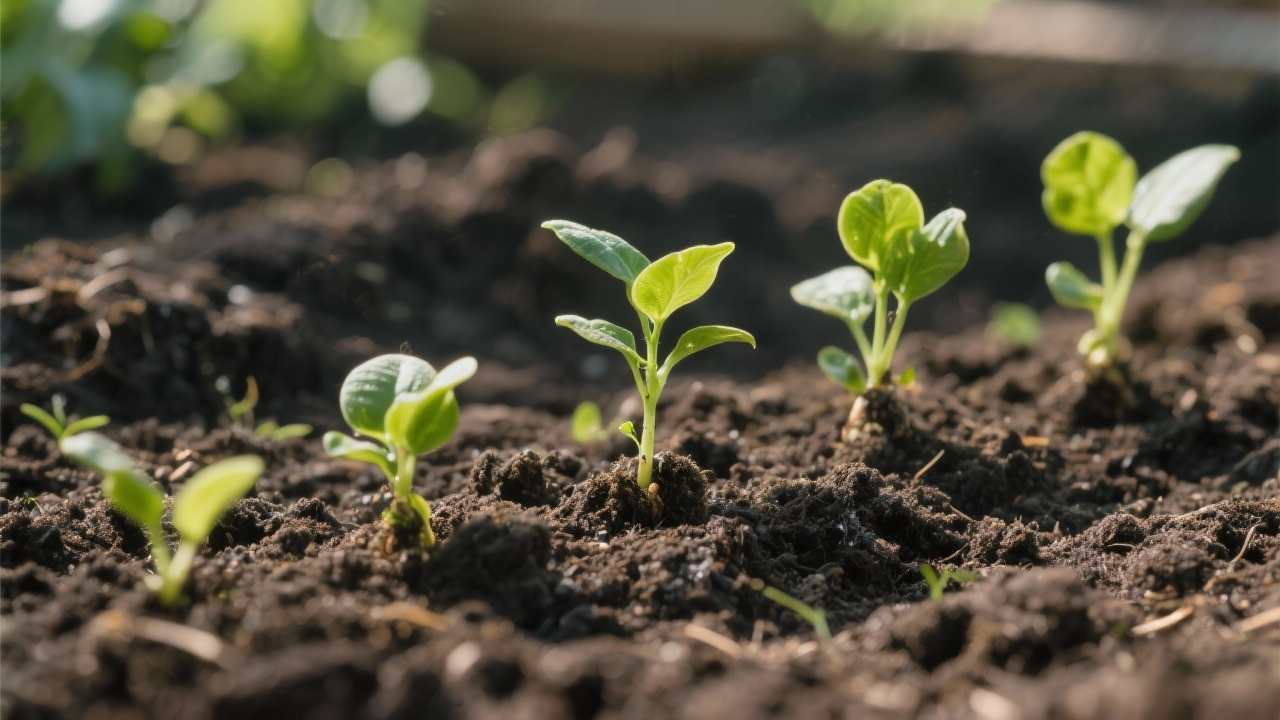
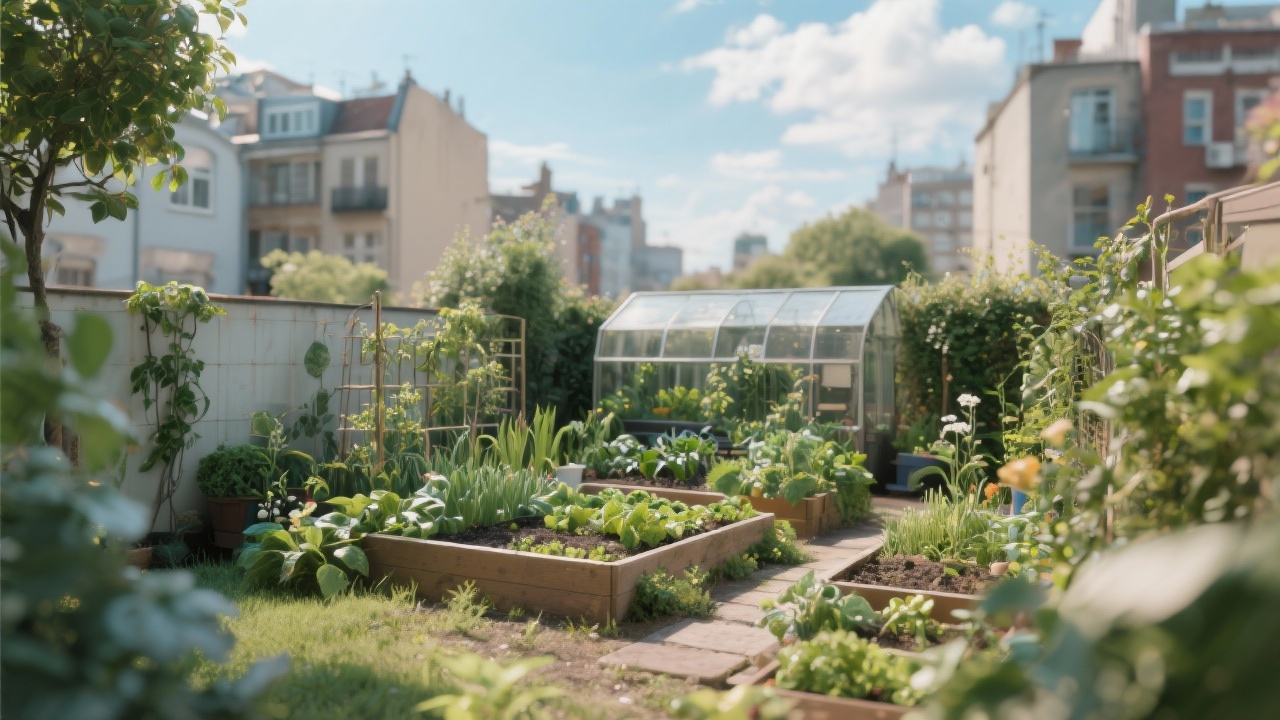

Growing tips
Conditions and preparation for planting
For a successful establishment of your Dwarf Rebela tomato plants, wait until all risk of frost has passed, typically when daytime air temperatures consistently exceed 15°C and the soil has warmed to at least 12°C. Prepare your vegetable garden by thoroughly weeding the designated area and loosening the soil to a good depth to ensure proper drainage and aeration. Enhance the soil's fertility by incorporating a generous amount of mature compost or enriched planting soil, a key step in organic farming. Before moving them to their final location, it is crucial to acclimatize the young plants over 7 to 10 days. Gradually expose them to outdoor conditions to harden them off and prevent transplant shock. An hour before planting, water the root ball well to ensure it remains cohesive and hydrated during the process.
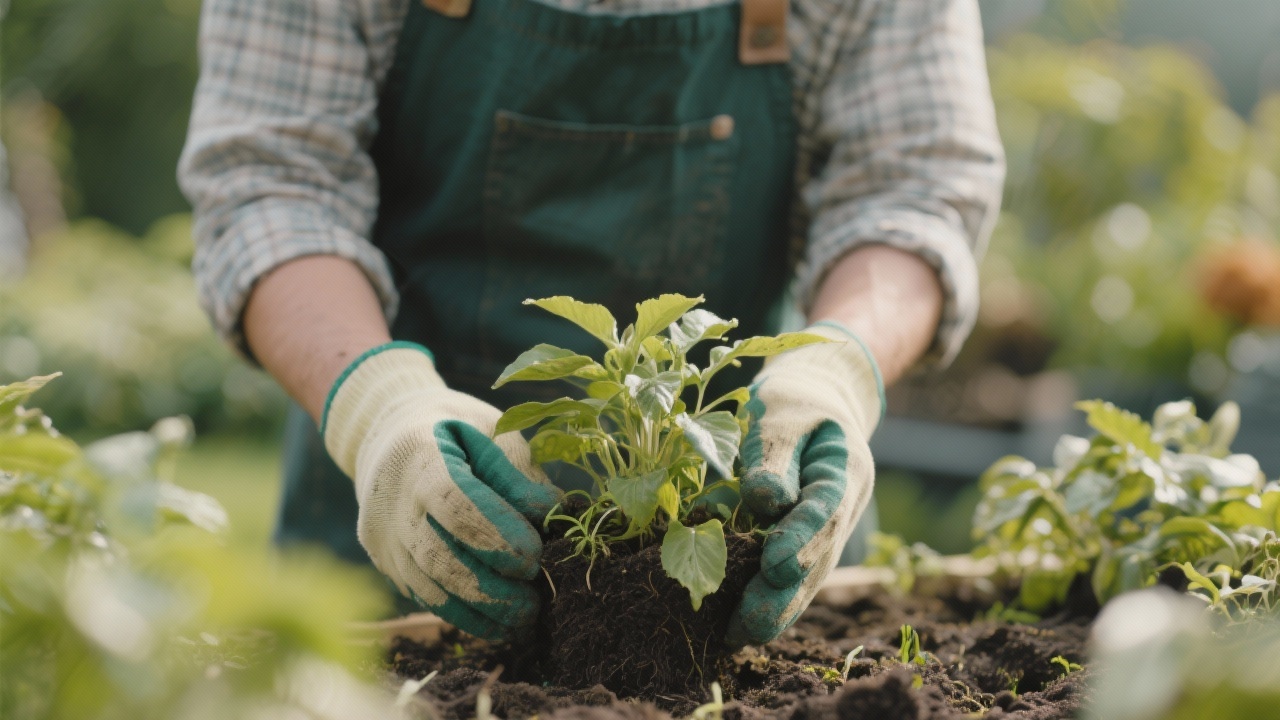
**Planting and Installing the Seedling**When planting your Dwarf Rebela, dig a hole deep enough to bury the stem up to the first set of true leaves. This technique encourages the growth of new adventitious roots along the buried portion, creating a much stronger and more resilient plant. Place the seedling in the hole, backfill with soil, and gently tamp down to eliminate air pockets. Immediately provide a generous watering to settle the soil around the roots. Maintain a final spacing of 40-50 cm between plants and 60-70 cm between rows to ensure good air circulation. Apply a thick layer of organic mulch right away to conserve soil moisture and suppress weed competition. Installing a sturdy stake at the time of planting is recommended to support the plant as it grows, without disturbing the developing root system later.
Key takeaway
- Temperature : Optimal 20-25°C
- Humidity : Moderate
- Light : Full sun (or grow light)
- Transplanting : Hardened off, with true leaves
Conditions and Preparation for Planting 'Tomato Dwarf Rebela'
For successful regrowth of your 'Tomato Dwarf Rebela' plants, ideal planting commences in late spring or early summer, once all danger of frost has definitively passed and ambient temperatures consistently remain above 10°C, with soil temperatures reaching at least 15°C. Begin your vegetable gardening by preparing the chosen site: thoroughly weed the area, then deeply loosen the soil to a depth of 30cm to ensure good drainage and aeration. Incorporate a generous amount of mature compost or other enriched organic material, which is crucial for nutrient supply in organic farming practices, promoting robust initial growth. Prior to ground planting, acclimatize young plants over 7-10 days by gradually exposing them to outdoor conditions, a process known as hardening off, to prevent transplant shock. Just before placement, if the root ball is dry, briefly soak it; gently tease out any circling roots to encourage outward spread and better establishment.
Planting and Installation of 'Tomato Dwarf Rebela' Seedlings
When planting your 'Tomato Dwarf Rebela' seedlings, bury them deeply, up to the first set of true leaves. This unique tomato characteristic allows the buried stem to develop additional roots, creating a stronger foundation for excellent successful regrowth. After positioning the plant, gently backfill the hole and lightly compact the soil around the base to ensure good root-to-soil contact. Immediately water thoroughly in a created basin around each plant to settle the soil and eliminate any air pockets. For optimal plant development and air circulation, space individual plants approximately 45-60 cm apart, with rows spaced 75-90 cm apart, accommodating their dwarf habit while allowing ample room. Conclude the planting process by applying a generous layer of organic mulch around each seedling; this helps conserve soil moisture, suppresses weed competition naturally for organic farming, and moderates soil temperature. Provide immediate staking or a small cage for support to ensure the heavy fruit load is well-supported as the plant matures.
Key takeaway
- Depth: Bury stem up to first true leaves.
- Espacement: 40-60 cm between plants, 60-80 cm rows.
- Watering: Water thoroughly at planting; keep soil evenly moist.
- Mulching/ Protection: Organic mulch around base; compact support optional.
Managing Plant Growth and Vigor
For the 'Tomato Dwarf Rebela', consistent **plant maintenance** is key to healthy development. **Watering** is critical: provide deep, regular applications, typically 2-3 times weekly, ensuring the root zone remains consistently moist to prevent water stress and fruit issues. Avoid overhead irrigation to minimize disease risk. For **sustainable fertilization**, apply a balanced organic liquid feed or granular compost in split doses during key growth stages like flowering and fruit set. Regular **hoeing** controls weeds and aerates soil. Maintaining generous **mulching** with organic matter conserves moisture, suppresses weeds, and regulates soil temperature. While 'Dwarf Rebela' needs less **pruning**, remove yellowing lower leaves and suckers below the first flower cluster for better air circulation. Gentle **staking** or caging supports the plant's fruit load.
Health Protection and Environmental Balance
Protecting your 'Tomato Dwarf Rebela' from **plant diseases** and **garden pests** necessitates proactive **health monitoring**. Regularly inspect for warning signs like discoloration or insect presence; early detection is vital for effective **ecological gardening**. Employ **integrated protection**, emphasizing prevention through optimal conditions. Should issues arise, utilize gentle organic solutions when intervention thresholds are met. Managing **climatic conditions** involves ensuring good air circulation, providing temporary shade during extreme heat, and sheltering from strong winds. Practice **crop rotation** in your **vegetable garden maintenance**, avoiding planting tomatoes in the same spot for at least three years to disrupt disease cycles and enhance soil health. Strategic **intercropping** with companion plants naturally deters pests, fostering a balanced garden.
Key takeaway
- Type of soil : Light, well-drained, humus-rich soil, pH 6.0-6.8
- Care : Compact dwarf variety, minimal staking, light hoeing, balanced organic feed monthly
- Watering : After establishment 1-2x/week, water at base, keep soil evenly moist
- Prevention : 5-8 cm mulch, good airflow around compact plant, copper spray, crop rotation
Determining the Ideal Harvest Time
The optimal moment for the harvest of the Dwarf Rebela tomato is determined by clear indicators of maturity. The fruit should display a deep, uniform red color and feel firm to the touch, with a slight give under gentle pressure. Generally, the first tomatoes are ready 65 to 75 days after their establishment in the vegetable garden. To ensure the best quality, picking should be done in the morning, once any dew has evaporated but before the day's heat sets in. Harvesting in dry weather limits excess humidity on the epidermis, a key principle of good agricultural practices, particularly in organic farming. A regular collection every two to three days stimulates production and provides a steady supply of fresh fruit and vegetables.
Post-Harvest Handling and Preservation
While fruits can be detached by hand, using clean cutting tools like pruning shears is preferable for a precise harvest, ensuring a clean cut at the peduncle. Handle each tomato delicately to avoid bruising and potential oxidation, placing them in shallow containers. A key practice is to gently wipe the fruits and sort them, setting aside any that are damaged. For optimal preservation and flavor, proper storage is critical: maintain a temperature around 12-15°C in a dark, ventilated space with controlled humidity. Avoid refrigeration, which alters their texture. Allowing the picked fruits to rest in a cool, shaded spot provides effective pre-cooling before transport, thus maintaining the quality of the harvest.
Key takeaway
- Period : 65-75 days after establishment (9-10 weeks)
- Stage : Deep red, firm with slight give
- Method : Cut peduncle with shears; handle delicately
- Storage : 12-15°C, dark, ventilated; avoid refrigeration
The Culinary Versatility of Dwarf Rebela Tomatoes
The Dwarf Rebela tomato, a true jewel among garden vegetables, offers an intense burst of fresh flavor from its succulent fruit. Its small, perfectly round form encapsulates a juicy flesh with a delightful balance of sweetness and acidity, making it incredibly versatile for home cooking. Best enjoyed raw, their vibrant character shines in simple salads, providing a delightful crunch and melt-in-the-mouth juiciness. For culinary preparation, these tomatoes can be gently sautéed or slowly roasted to intensify their umami notes. They are excellent for quick sauces, lending their distinctive taste to diverse vegetable recipes. Ideal flavor combinations include fresh basil, creamy mozzarella, or a drizzle of extra virgin olive oil, enriching light pasta dishes. Their compact size also makes them perfect for stuffing, while a brief simmer (<10 minutes) transforms them into a delicate relish.
Seasoning, Nutrition, and Storage Essentials
To elevate the natural taste of Dwarf Rebela tomatoes, a simple seasoning approach often yields the best results. A good quality olive oil, a splash of balsamic vinegar, fresh lemon, and a sprinkle of sea salt and pepper enhance their inherent sweetness. Fresh herbs like basil, oregano, or thyme are classic complements. From a nutritional value perspective, these garden vegetables are packed with beneficial vitamins (C and K), dietary fiber, and essential minerals like potassium. Their rich red hue signifies a high content of antioxidants, notably lycopene. For **storage**, keep ripe tomatoes at room temperature for optimal flavor, then refrigerate for extended freshness. For long-term enjoyment, consider freezing diced or puréed, canning as sauces or whole, drying for intense flavor accents, or exploring lacto-fermentation for unique pickled delights. No specific consumption precautions are generally needed.
Key takeaway
- Flavor Profile : Intense fresh, sweet-acidic, juicy, crunchy flesh.
- Classic Uses : Raw in salads; sautéed, roasted, quick sauces.
- Pairings : Basil, mozzarella, olive oil, lemon, salt, pepper.
- Storage : Room temp (ripe), then refrigerate; freeze/dry long-term.

Companion plants