
Napa Cabbage Karaoke
Brassica oleracea
An encore performance of abundant harvests.- Excellent source of vitamin C, folate and dietary fiber
- Promotes healthy digestion and supports gut microbiome diversity
- Glucosinolates provide natural detoxification and cancer-preventive properties
Origine des graines : Pays-Bas
Certification bio NL-BIO-01.528-0006532.2025.002
GTIN : 3770042795352
Plant Profile

Cultivation Calendar
Growing Tips
Conditions and Preparation for Planting
Successful establishment of your Napa Cabbage Karaoke begins with planting during the cool seasons of spring or late summer. Proceed once all risk of hard frost has passed and the soil temperature is consistently above 10°C. Prepare the garden bed by removing weeds and loosening the soil to a depth of 20 cm. Incorporate mature compost to ensure good fertility and structure for the young roots. Before transplanting, it is crucial to acclimate your young plants through a process called hardening off. Over 7 to 10 days, gradually expose them to outdoor conditions to prevent transplant shock. Water the seedling's root ball thoroughly an hour before planting to reduce stress during the transition.
Planting and Installing the Seedling
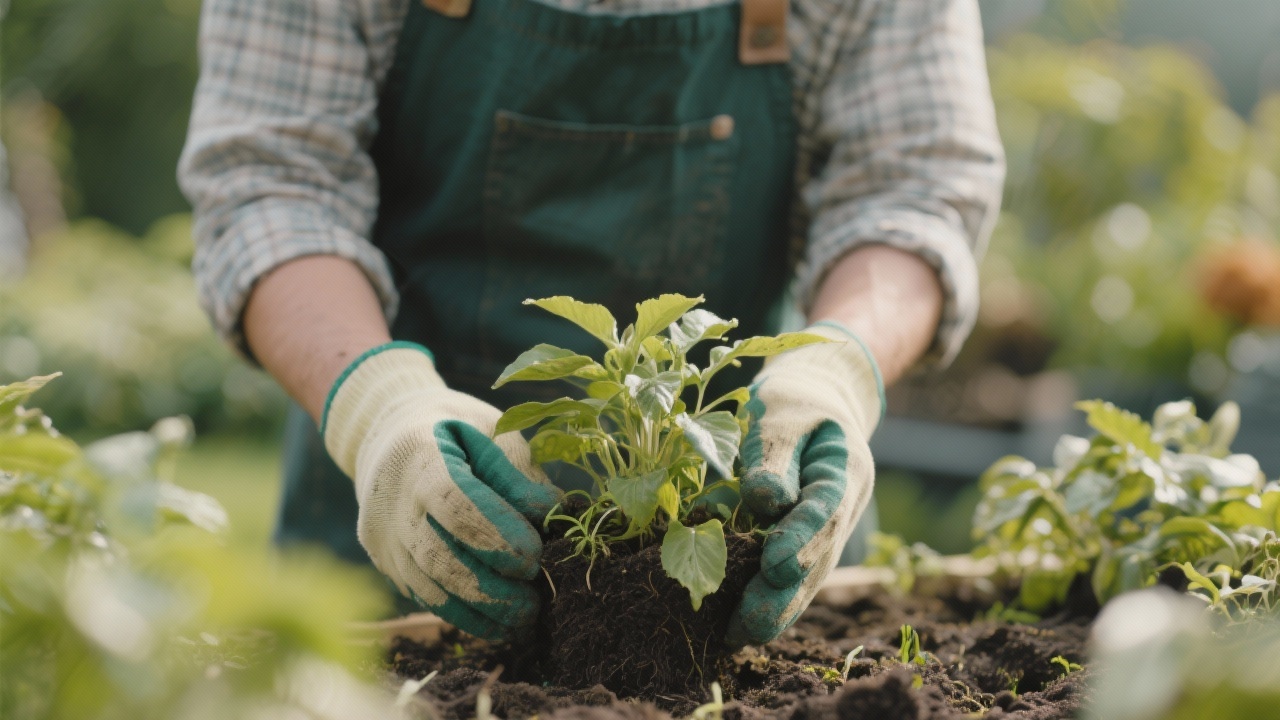
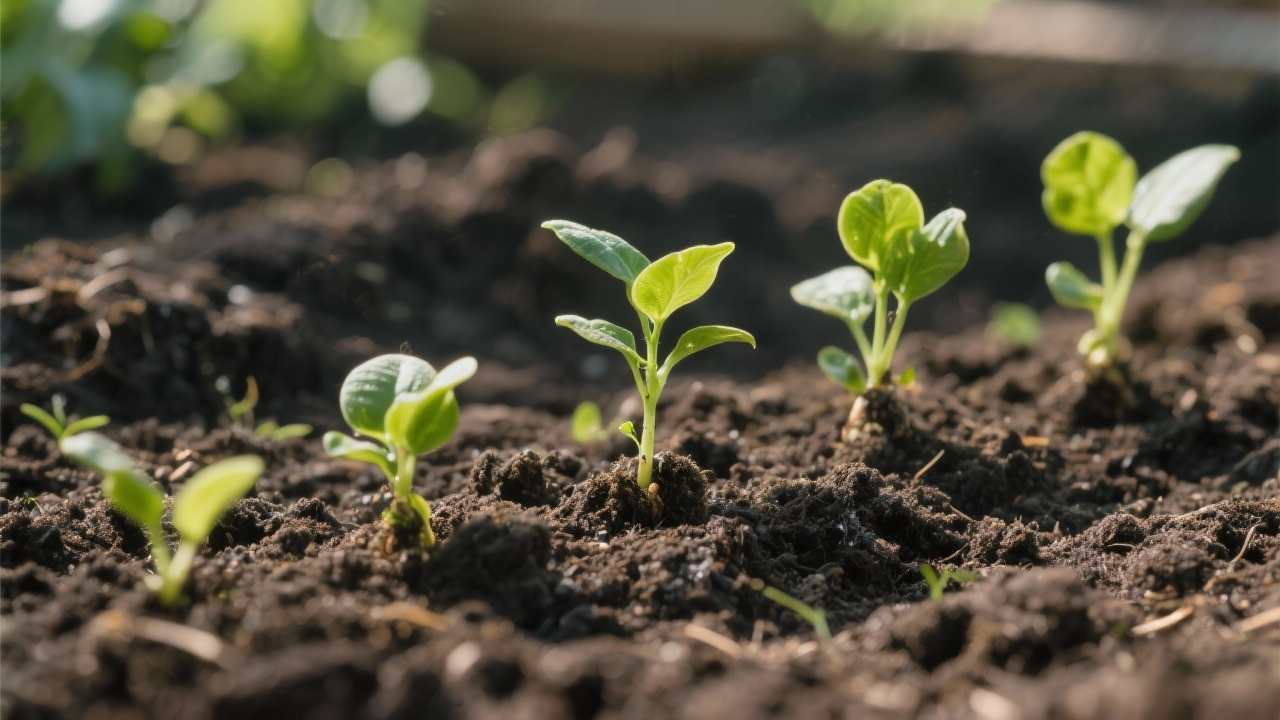
Create a hole large enough for the root ball and set the seedling so the base of its first true leaves is level with the surrounding soil. This encourages a sturdy stem. Gently firm the earth around the plant's collar to ensure good root contact, then provide a generous initial watering to settle the soil and hydrate the plant. Adhere to a final plant spacing of 40 cm between each plant and 50 cm between rows to allow for healthy development. Immediately apply a layer of organic mulch, such as straw or compost, to conserve moisture and suppress early weeds. Consider installing a floating row cover to protect the vulnerable seedlings from pests.
Key Points
- Temperature : Optimal 15-20°C (cool season)
- Humidity : Moderate humidity
- Light : Full sun (6+ hours daily)
- Transplanting : 2-4 true leaves
Optimal Conditions and Soil Preparation for Planting
For **successful regrowth** of your Napa Cabbage Karaoke, plant seedlings when **frost** risk has passed and stable temperatures prevail. Ideal air temperatures range between **10-24°C**, with soil temperatures between **7-29°C**. Prepare your **vegetable gardening** bed by thoroughly weeding and loosening the soil to at least 20 cm deep. Incorporate ample **mature compost** or other **organic matter** to enhance fertility and drainage, crucial for robust plant establishment in **organic farming** practices. Acclimatize young plants for 7-10 days, a process called *hardening off*, gradually exposing them to outdoor conditions to prevent **transplant shock**. Before planting, ensure the root ball is moist by a brief soak and gently loosen any tight roots to encourage new growth.Planting and Initial Installation
Plant Napa Cabbage Karaoke seedlings so the *collar* (where stem meets roots) is level with the soil surface; avoid burying too deeply to ensure **successful regrowth**. Gently backfill and lightly compact the soil around the base to ensure good root contact. Form a small basin around each plant, then provide a **thorough watering** to settle the soil and remove air pockets. For optimal development in your **organic farming** garden, space plants **30-45 cm apart** within rows, with rows **60-75 cm apart**, allowing ample room for air circulation. Immediately apply a 5-7 cm layer of **organic mulch** (e.g., straw, shredded leaves) around the plants. This essential step conserves soil moisture, regulates temperature, and provides **weed suppression**, fostering a robust start. If facing intense sun or sudden cold, temporary protective covers can be beneficial.Key Points
- Depth: Collar level with soil surface
- Espacement: Plants 30-45 cm; rows 60-75 cm
- Watering: Thoroughly water immediately; maintain consistent moisture
- Mulching/ Protection: 5-7 cm organic mulch; temporary covers if needed
Managing Plant Growth and Vigor
For 'Napa Cabbage Karaoke', robust plant maintenance begins with precise watering. Implement a consistent irrigation regime, providing deep, regular moisture to prevent water stress and ensure succulent leaf development; aiming for 1-1.5 inches of water weekly, adjusted for rainfall. This is crucial to avert bolting. Support vigorous growth through sustainable fertilization, applying balanced organic farming inputs like compost or slow-release granular amendments. Split applications are ideal, such as an initial feed followed by a mid-season boost. Essential vegetable garden maintenance includes diligent, shallow hoeing to aerate the soil and suppress weeds. Maintain a thick layer of organic mulching, like straw, which conserves moisture, regulates soil temperature, and significantly reduces weed pressure, fostering a thriving environment without excessive intervention.
Health Protection and Environmental Balance
Vigilant health monitoring is key to preventing major issues. Regularly inspect plants for early signs of plant diseases or the presence of garden pests like aphids or cabbage worms. Adopting principles of integrated and ecological gardening, focus on prevention through good air circulation and appropriate spacing. Intervention thresholds guide action; for minor infestations, gentle solutions like insecticidal soap or hand-picking are preferred. Managing climatic conditions is also vital: provide partial shade during peak summer heat to prevent bolting, and ensure good air movement to mitigate humidity-related problems. Finally, implement a thoughtful crop rotation plan in your vegetable garden to break disease cycles and replenish soil nutrients, further enhancing the overall health and resilience of your 'Napa Cabbage Karaoke' and the entire garden ecosystem.
Key Points
- Type of soil : Fertile, well-drained, humus-rich loam, pH 6.0-7.0
- Care : Light hoeing, regular weeding, nitrogen-rich organic feed monthly, thin if crowded
- Watering : Consistent moisture 1-2x/week, even watering, avoid drought stress
- Prevention : Insect netting against flea beetles, 5-8 cm mulch, crop rotation 3-4 years
Determining the Optimal Harvest Time for Napa Cabbage Karaoke
The ideal harvest for Napa Cabbage 'Karaoke' is dictated by clear signs of maturity. Approximately 70-80 days after planting, the head should feel firm, dense, and heavy for its size when gently squeezed. The outer leaves will be a vibrant green, indicating peak quality. To ensure the best texture and longevity, conduct the harvest in the cool of the early morning. This timing locks in crispness, a core principle of good agricultural practices, especially in organic farming. Avoid picking when leaves are wet, as excess surface humidity can compromise preservation. As a single-harvest crop, each plant in your vegetable garden will typically produce one high-quality head, a rewarding addition to your supply of fresh fruit and vegetables.
Post-Harvest Handling and Preservation Techniques
Proper handling begins with the right cutting tools. Use a sharp, sanitized knife to sever the head at its base, leaving a few wrapper leaves for protection. Handle the harvested cabbage gently to prevent bruising, which accelerates decay and oxidation. A key step in good agricultural practices is to immediately sort and clean the heads. For optimal preservation, rapid cooling, or pre-cooling, is recommended to remove field heat. Ideal storage requires a low temperature of 0-2°C and a very high relative humidity, or hygrometry, of 95%. When moving your fresh fruit and vegetables, keep them shaded and cool to preserve their just-picked quality.
Key Points
- Period : 70-80 days after planting
- Stage : Head firm, dense, heavy; vibrant green leaves
- Method : Cut at base, sharp knife; leave wrapper leaves
- Storage : 0-2°C, 95% RH, cool and humid
The Versatile Flavor of Napa Cabbage Karaoke
From the garden, Napa Cabbage Karaoke offers both its crisp, pale green leaves and tender, broad white stems for diverse culinary preparation. Its signature flavor profile is subtly sweet with a mild, peppery undertone, making it incredibly versatile. The texture ranges from delightfully crunchy when raw, perfect for fresh salads and slaws, to melt-in-the-mouth tender when cooked. It excels in a range of home cooking applications: quickly sautéed or stir-fried in a wok for just a few minutes, gently simmered in broths, or used as elegant wrappers for stuffed dishes. This garden vegetable forms excellent flavor combinations with ginger, garlic, sesame oil, soy sauce, and a hint of chili, complementing proteins like tofu, chicken, or pork, and other vibrant garden vegetables.
Enhancing and Preserving Napa Cabbage Karaoke
Elevate the fresh flavor of Napa Cabbage Karaoke with thoughtful seasoning tips: a drizzle of sesame oil or rice vinegar, fresh lemon, grated ginger, or a pinch of red pepper flakes adds complexity. For deeper umami notes, consider miso paste or a splash of tamari. Beyond its delicious taste, this garden vegetable is valued for its notable nutritional value, providing vitamins C and K, folate, and dietary fiber. Its mild nature means no particular precautions for consumption. For storage, Napa Cabbage keeps well in the refrigerator’s crisper drawer for up to two weeks. For longer preservation, its leaves can be blanched and frozen, or famously transformed into lacto-fermented kimchi, a traditional method that extends its usability and enhances its tangy character, perfect for diverse vegetable recipes year-round.
Key Points
- Flavor Profile : Mildly sweet, peppery; crunchy raw, tender cooked.
- Classic Uses : Salads, stir-fries, soups, stuffed wraps.
- Pairings : Ginger, garlic, soy, sesame, chili, meats.
- Storage : Fridge crisper (2 wks), blanched/frozen, kimchi.
Smart Companions


