Blue Kohlrabi Delikatess
Brassica oleracea
A delicate, gourmet flavor unlike any other.- Contains vitamin C, anthocyanins, potassium and dietary fiber
- Supports cardiovascular health and promotes healthy blood pressure regulation
- Purple pigments add extra antioxidant and anti-inflammatory protection

certified organic

Pays-Bas

Plant profile

Growing calendar
Growing tips
Conditions and Preparation for Planting
For successful establishment, transplant your Blue Kohlrabi Delikatess seedlings after the last frost, once soil temperature is consistently above 10°C. A well-prepared garden bed is key; start by weeding the area, then loosen the soil to a depth of 20 cm to promote healthy root growth. Enrich your plot by incorporating mature compost, a cornerstone of organic gardening that improves fertility. To prevent transplant shock, it is essential to acclimatize your young plants for about a week by gradually introducing them to outdoor conditions. An hour before planting, give your seedlings a good watering to ensure the root ball is moist and cohesive, easing the transition into their new home.
Planting and Installing the Seedling
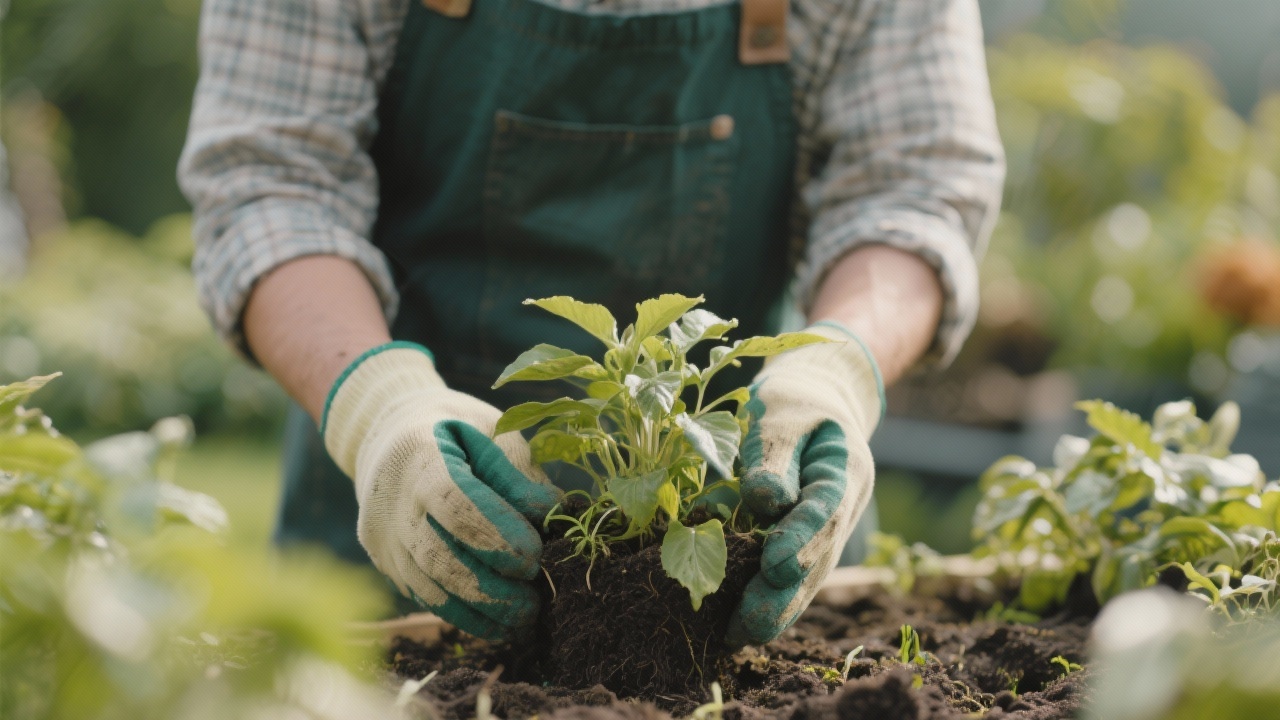
When positioning your kohlrabi, place each seedling so its collar, or the base of the plant, sits level with the soil surface. Planting too deep can impede bulb formation. Gently firm the soil around the root ball to eliminate air pockets, then provide a thorough watering to settle the earth and hydrate the roots. For optimal development, maintain a final spacing of 20 cm between plants and 30 cm between rows. Immediately apply a layer of organic mulch, like straw, to conserve soil moisture and suppress weeds. This practice is a simple and effective step for a healthy start in your vegetable garden.
Key takeaway
- Temperature : 10-24°C optimal for growth
- Humidity : Moderate humidity; avoid extremes
- Light : Full sun (6+ hours daily)
- Transplanting : 2-4 true leaves, after last frost
Conditions and Preparation for Planting Blue Kohlrabi Delikatess
For successful regrowth of Blue Kohlrabi Delikatess in your organic vegetable gardening, target spring or late summer planting. The ideal period is when soil temperature consistently reaches 10°C and air temperature stabilizes between 10°C and 24°C, ensuring all frost risk has passed. Prepare the planting area by thorough weeding and loosening the soil to 20 cm depth. Incorporate generous mature compost or enriched garden soil for robust initial growth. Acclimatize young plants over 7-10 days by gradual outdoor exposure to prevent transplant shock. Before placement, inspect the root ball, gently untangling circling roots. A brief soak in water can also hydrate dry root systems, optimizing their readiness.
Planting and Installing Blue Kohlrabi Delikatess Seedlings
When planting Blue Kohlrabi Delikatess, set each seedling at its nursery pot depth, with the collar (stem-root junction) precisely at soil level; avoid burying the developing bulbous stem. Gently backfill and lightly compact soil around the base to remove air pockets. Immediately create a basin for each plant and provide a thorough initial watering to settle the soil and encourage root contact. Maintain optimal spacing of 15-20 cm between plants and 30-45 cm between rows for ample development and air circulation in your vegetable garden. For successful regrowth, apply a layer of organic mulch immediately after planting to conserve moisture, regulate temperature, and suppress weed competition. While staking is not required, a lightweight row cover can offer immediate pest protection for vulnerable young plants.
Key takeaway
- Depth: At nursery pot depth, collar at soil level.
- Espacement: 15-20 cm between plants
- Watering: Thorough initial, then keep consistently moist.
- Mulching/ Protection: Apply organic mulch; consider lightweight row cover.
Managing Plant Growth and Vigor for Blue Kohlrabi Delikatess
For robust development of 'Blue Kohlrabi Delikatess', consistent watering is paramount, preventing the swollen stems from becoming woody or splitting. Aim for regular, deep irrigation, typically every 2-3 days in moderate conditions, adjusting to daily during hot, dry spells to avoid any water stress. The soil should remain consistently moist, but never waterlogged. Regarding fertilization, embrace organic farming principles by incorporating balanced organic inputs like well-rotted compost or a slow-release granular fertilizer. A strategic split application works best: an initial feed after establishment, followed by a side-dressing when the stem begins its characteristic swelling. Regular vegetable garden maintenance includes shallow hoeing to control competing weeds and improve soil aeration, taking care not to disturb the kohlrabi's shallow root system. Maintain a generous layer of mulching, such as straw or wood chips, to conserve soil moisture, suppress weeds, and regulate soil temperature, which is vital for preventing premature bolting. Ensure adequate plant spacing to allow the 'bulbs' to swell without competition.
Health Protection and Environmental Balance for Blue Kohlrabi Delikatess
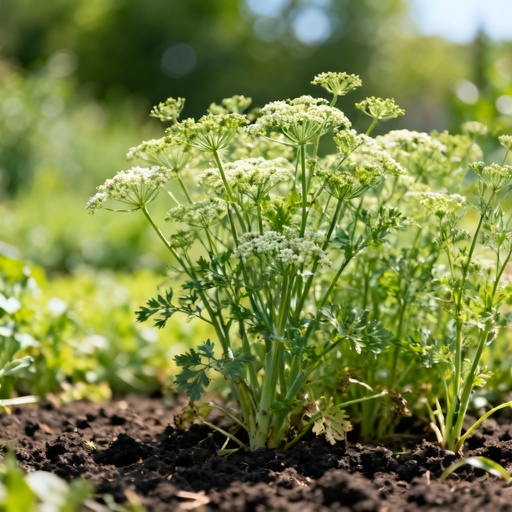
Vigilant health monitoring is key to a thriving kohlrabi patch. Regularly inspect plants for early warning signs of plant diseases or garden pests. Common issues include flea beetles, cabbage worms, and aphids. Our approach to protection is ecological gardening, focusing on prevention and integrated strategies. Encourage beneficial insects through intercropping with companion plants like dill or marigolds, which can naturally deter pests. For minor infestations, gentle solutions such as hand-picking or insecticidal soaps can be effective. Managing climatic conditions is also crucial: kohlrabi prefers cooler temperatures and consistent moisture; partial shade in hotter climates can prevent stress. Implement a strict crop rotation plan for brassicas to break pest cycles and reduce the incidence of soil-borne diseases, maintaining a balanced and resilient vegetable garden.
Key takeaway
- Type of soil : Well-draining, fertile loam; consistently moist.
- Care : Shallow hoeing; organic feed after establishment/swelling.
- Watering : Consistent, deep watering; every 2-3 days (moderate).
- Prevention: Mulch 5-8cm; crop rotation; companion planting.
Determining the Optimal Harvest Time
The success of your Blue Kohlrabi Delikatess culminates in a timely harvest, guided by clear indicators of maturity. Generally ready 50 to 70 days after establishment in the vegetable garden, the ideal moment for picking is when the swollen stem reaches a diameter of 5 to 8 centimetres. It should feel firm and heavy for its size; harvesting beyond this stage risks a woody texture. To ensure the highest quality for your fresh fruit and vegetables, conduct the harvest in the cool of the morning when the plant is most turgid. A dry day is preferable to reduce surface humidity, aligning with good agricultural practices for maintaining crop health and quality.
Harvesting Technique and Proper Preservation
Employing the correct technique is essential for the preservation of your kohlrabi. Use clean cutting tools, like a sharp knife, to slice the stem at its base. Handle the harvested bulbs with care to prevent bruising, which can lead to oxidation and spoilage. Following organic farming principles, immediately trim the leaves, leaving a small portion of the stem attached to prevent moisture loss. For optimal storage, the kohlrabi benefits from rapid cooling. The ideal conditions are a low temperature of 0-4°C and high relative humidity of 95%. Stored this way, the freshness of your harvest can be maintained for several weeks, ensuring quality from the vegetable garden to its destination.
Key takeaway
- Period : 7-10 weeks after establishment
- Stage : Stem 5-8 cm diameter, firm, heavy
- Method : Slice stem at base; trim leaves immediately
- Storage : 0-4°C, 95% RH; store several weeks
The Versatile Palate of Blue Kohlrabi Delikatess
The striking Blue Kohlrabi Delikatess offers a culinary experience extending beyond its distinctive purplish-blue skin. Both its succulent, globe-shaped bulb and its tender young leaves are entirely edible, making it a versatile *garden vegetable* for creative *home cooking*. The bulb presents a refreshing, mild flavor profile, often described as a delicate cross between a turnip and a radish, with a subtle sweetness and a hint of peppery zest. Its texture is remarkably crisp and juicy when raw, transforming into a tender-crisp delight upon cooking. For *culinary preparation*, enjoy it thinly sliced in salads for a vibrant crunch, or grated into slaw. It shines in cooked *vegetable recipes*: briefly steamed, quickly sautéed with garlic and herbs, or roasted until caramelized. Excellent *flavor combinations* include fresh dill, chives, caraway seeds, or a bright lemon dressing. This brassica pairs well with apples, or roasted alongside root vegetables and plant-based proteins like lentils. Expect brief *cooking* times: steaming takes 5-8 minutes, roasting 20-30 minutes.
Enhancing Flavor, Nutritional Value, and Storage
To elevate the Blue Kohlrabi Delikatess, consider simple yet impactful seasoning. A drizzle of quality olive oil or a dash of apple cider vinegar enhances its natural sweetness, while fresh herbs like parsley or dill, sea salt, and freshly ground black pepper bring out its *fresh flavor*. For a creamy finish, a swirl of plant-based cream or nutritional yeast can add depth. Nutritionally, this garden gem is a good source of Vitamin C, dietary fiber, and potassium, contributing to a balanced diet. It requires no special consumption precautions. For short-term preservation, store whole kohlrabi bulbs in the refrigerator's crisper drawer for up to several weeks; separate the leaves if not using immediately. For longer-term *storage*, blanched and diced kohlrabi can be frozen, or it can be lacto-fermented into crisp pickles, extending its delicious appeal for diverse *vegetable recipes*.
Key takeaway
- Flavor Profile : Mild, sweet, peppery; crisp raw, tender-crisp cooked.
- Classic Uses : Raw in salads/slaws; steamed, sautéed, roasted.
- Pairings : Dill, chives, lemon, apples, root vegetables, lentils.
- Storage : Fridge crisper (weeks); blanched/diced, then frozen.
Companion plants