Kale Westland Winter
Brassica oleracea
The toughest green for the coldest months.- Exceptionally rich in vitamins A, C, K and calcium
- Supports bone density, eye health and strong immune function
- One of the most potent anti-cancer and anti-inflammatory leafy greens

certified organic

Pays-Bas

Plant profile

Growing calendar
Growing tips
Conditions and Preparation for Planting
The ideal window for planting your Kale Westland Winter seedlings is late summer to early autumn, ensuring soil temperatures are above 10°C and avoiding extreme heat. For a successful establishment in your vegetable garden, prepare the soil by weeding thoroughly and loosening it deeply. Enhance its structure and fertility by incorporating mature compost. Before moving them to their final position, it's essential to acclimatize your young plants for about a week. This hardening off process gradually exposes them to outdoor conditions, preventing transplant shock. Water the seedlings well in their pots an hour before planting; this keeps the root ball intact and reduces stress during transplanting.
Planting and Installing the Seedling
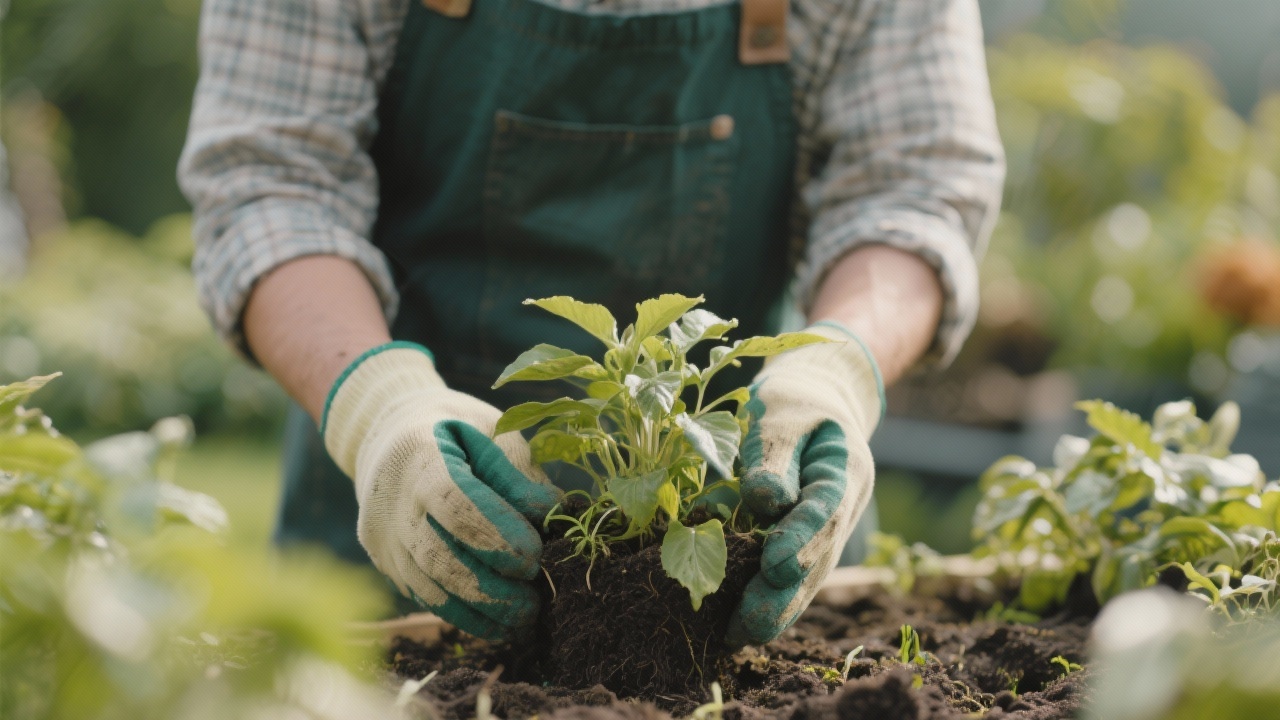
When planting, set your Kale Westland Winter seedling in a hole so it sits slightly deeper than it did in its pot, burying the stem up to the base of the first true leaves. This encourages a strong, stable plant. Gently firm the soil around the collar to remove air pockets and then water generously to settle the roots. Maintain a final spacing of 45 to 60 cm between each plant and about 75 cm between rows to allow for healthy air circulation and growth. Immediately apply a layer of organic mulch around the base to conserve moisture and limit weed growth. To protect your young kale from pests, installing a fine insect mesh right after planting is a wise preventative measure.
Key takeaway
- Temperature : Optimal 10-24°C, avoid extreme heat.
- Humidity : Moderate
- Light : Full sun (6+ hours daily)
- Transplanting : 4-6 true leaves
Preparing for a Successful Kale Planting
For optimal *successful regrowth* of 'Westland Winter' Kale, precise timing and careful preparation are crucial for establishing a robust *vegetable gardening* foundation. The ideal planting period is after all danger of frost has passed in late spring, when soil temperatures consistently reach 10-15°C (50-59°F) and air temperatures are mild. Alternatively, for a fall harvest, plant in late summer. Prior to *planting*, thoroughly weed and loosen your garden bed to 30 cm depth. Enrich the area generously with well-rotted, mature organic compost or other enriched soil to promote vigorous initial growth, aligning with *organic farming* principles. Young Kale seedlings require "hardening off" over 7-10 days, gradually exposing them to outdoor conditions, including direct sunlight and wind. Before field *planting*, thoroughly soak seedling pots; gently tease any circling roots to encourage outward growth.Executing the Kale Planting
When *planting* 'Westland Winter' Kale, position each seedling so its original soil line, or collar, is level with the garden bed; avoid burying the stem deeper. Gently firm the soil around the root ball to eliminate air pockets, ensuring good root-to-soil contact for immediate *successful regrowth*. Immediately create a small basin around each plant and perform a thorough watering in to settle the soil and hydrate the roots. For optimal development and air circulation within your *vegetable gardening* space, maintain a spacing of 45-60 cm (18-24 inches) between individual plants and 60-75 cm (24-30 inches) between rows. To conserve moisture and suppress competing weeds from the outset, apply a thick layer of organic mulch, such as straw or wood chips, around the freshly planted seedlings, reinforcing your *organic farming* commitment.Key takeaway
- Depth: At original soil line (collar).
- Espacement: Plants 45-60 cm apart.
- Watering: Thoroughly water in; keep consistently moist.
- Mulching/ Protection: Thick organic mulch (straw/wood chips).
Managing Plant Growth and Vigor
Sustaining 'Westland Winter' kale's vitality hinges on consistent care. Implement a deep, regular watering regime, especially during dry periods, to prevent water stress and encourage robust root systems; avoid superficial watering. For optimal sustainable fertilization, amend the soil with well-decomposed compost or a balanced organic feed every 4-6 weeks during active growth. This split application supports continuous nutrient availability, aligning with organic farming principles. Routine plant maintenance includes light hoeing to aerate the soil and control weeds. Maintaining a fresh mulching layer is vital for moisture retention, temperature regulation, and weed suppression, contributing significantly to overall vegetable garden maintenance. While 'Westland Winter' rarely needs staking, periodically remove older, yellowing outer leaves to boost air circulation and stimulate new, healthy growth.
Health Protection and Environmental Balance
Proactive health monitoring is key for a resilient kale patch. Regularly inspect plants for early warning signs of garden pests like aphids or cabbage white larvae, and common plant diseases such as powdery mildew. Employ an integrated and ecological protection strategy, focusing on prevention through good air circulation and healthy soil. If pest pressure increases, consider gentle solutions like hand-picking or organic sprays, intervening only when necessary. 'Westland Winter' is hardy, but managing environmental factors helps: shield from harsh winds and provide partial shade during extreme summer heat. Thoughtful crop rotation is paramount for long-term bed health, preventing the build-up of brassica-specific soil-borne pathogens. Incorporating suitable intercropping can also enhance biodiversity and deter pests, fostering a truly balanced ecological gardening system.
Key takeaway
- Type of soil : Fertile, well-drained loam, pH 6.0-7.0.
- Care : Light hoeing, remove old leaves, fertilize 4-6 weeks.
- Watering : Deep, regular watering; avoid superficial wetting.
- Prevention: Monitor pests, crop rotation, intercrop, mulch 5-8cm.
Harvest Time and Conditions
The optimal harvest of Kale Westland Winter is determined by leaf size and vigour. The first leaves reach maturity approximately 60 to 75 days after their establishment in the vegetable garden, when they display a rich, dark green colour and are firm to the touch. For the best quality, picking should occur in the cool of the morning, when the leaves are fully turgid and crisp. Proceed on a dry day to limit surface humidity on the foliage. This variety allows for a prolonged harvest period; by regularly picking the outer, lower leaves while leaving the central bud intact, you can ensure a steady and reasonable supply of fresh fruit and vegetables throughout the winter season.
Methods, Handling, and Storage
Adhering to good agricultural practices, particularly important in organic farming, ensures superior quality. Use sharp, clean cutting tools, such as a knife or shears, to make a clean cut at the base of the leaf petiole. Handle the leaves with care to avoid bruising, which can accelerate oxidation and reduce their shelf life. A rapid rinse in cold water can serve as a simple pre-cooling step to remove field heat. For optimal preservation, immediate storage at a low temperature, ideally between 0°C and 2°C, with a high relative hygrometry of over 95%, is recommended. Stored this way in a perforated bag, kale will maintain its freshness for over a week, making it well-suited for short-distance transport where coolness is maintained.
Key takeaway
- Period : Winter season; start 60-75 days post-planting.
- Stage : Dark green, firm, mature outer leaves.
- Method : Cut outer leaves at petiole base; preserve central bud.
- Storage : 0-2°C, >95% RH, perforated bag, >1 week.
Culinary Versatility of Westland Winter Kale
The robust Westland Winter Kale offers a rich palette for home cooking, primarily utilizing its magnificent leaves. Known for its earthy yet subtly sweet, peppery fresh flavor, it boasts a pleasant mildness, especially after a frost. Raw, the firm leaves can be massaged into a tender base for vibrant garden vegetable salads. Cooked, this hardy kale softens beautifully; sautéed for 5-7 minutes, it becomes tender-crisp, or simmered for 20-30 minutes in hearty stews, achieving a melt-in-the-mouth texture. It excels when roasted into crisp chips (10-15 minutes) or braised with aromatic ingredients like smoked paprika, creating excellent flavor combinations with plant-based proteins or sweet potatoes. Its versatility supports diverse culinary preparation, enriching any meal.
Seasoning, Nutrition, and Storage for Optimal Flavor
To elevate Westland Winter Kale’s natural taste, simple seasoning is key. A drizzle of olive oil, a splash of balsamic vinegar, or fresh lemon juice, complemented by sea salt, black pepper, and herbs like thyme or chili flakes, works wonderfully. For richness in vegetable recipes, a touch of plant-based cream can be added. Beyond its appealing flavor, kale offers significant nutritional value, notably high in vitamins K, A, and C, plus dietary fiber and antioxidants. While generally well-tolerated, moderate raw consumption is advisable for oxalate sensitivity; cooking helps reduce this. For optimal storage, fresh leaves keep 5-7 days refrigerated. For longer preservation, blanching and freezing retains quality for up to 10-12 months. Alternatively, lacto-fermentation transforms kale into a tangy, probiotic-rich condiment with extended shelf life.
Key takeaway
- Flavor Profile : Earthy, sweet, peppery; firm raw, tender cooked.
- Classic Uses : Salads (raw), sautéed, simmered, roasted, braised.
- Pairings : Olive oil, lemon, herbs, sweet potatoes, proteins.
- Storage : Fresh: 5-7 days refrigerated. Frozen: 10-12 months.
Companion plants