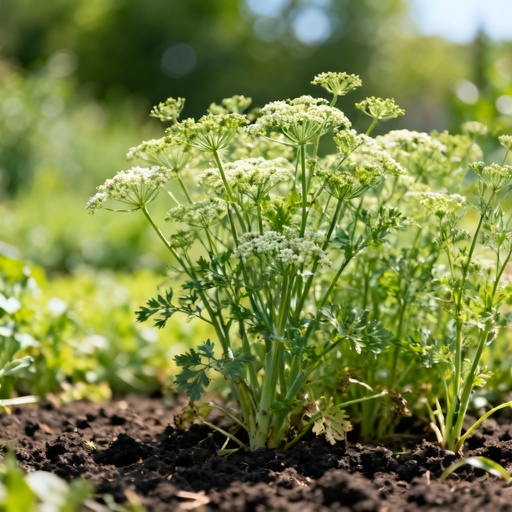
Swiss Chard Fireworks
Beta vulgaris subsp. Cicla
An explosion of edible color in your garden.- Loaded with vitamins A, C, K, magnesium and iron
- Supports blood health, muscle function and healthy energy levels
- Betalain pigments provide powerful anti-inflammatory and detoxification benefits

certified organic

Pays-Bas


Plant profile

Growing calendar

Growing tips
Conditions and Preparation for Planting
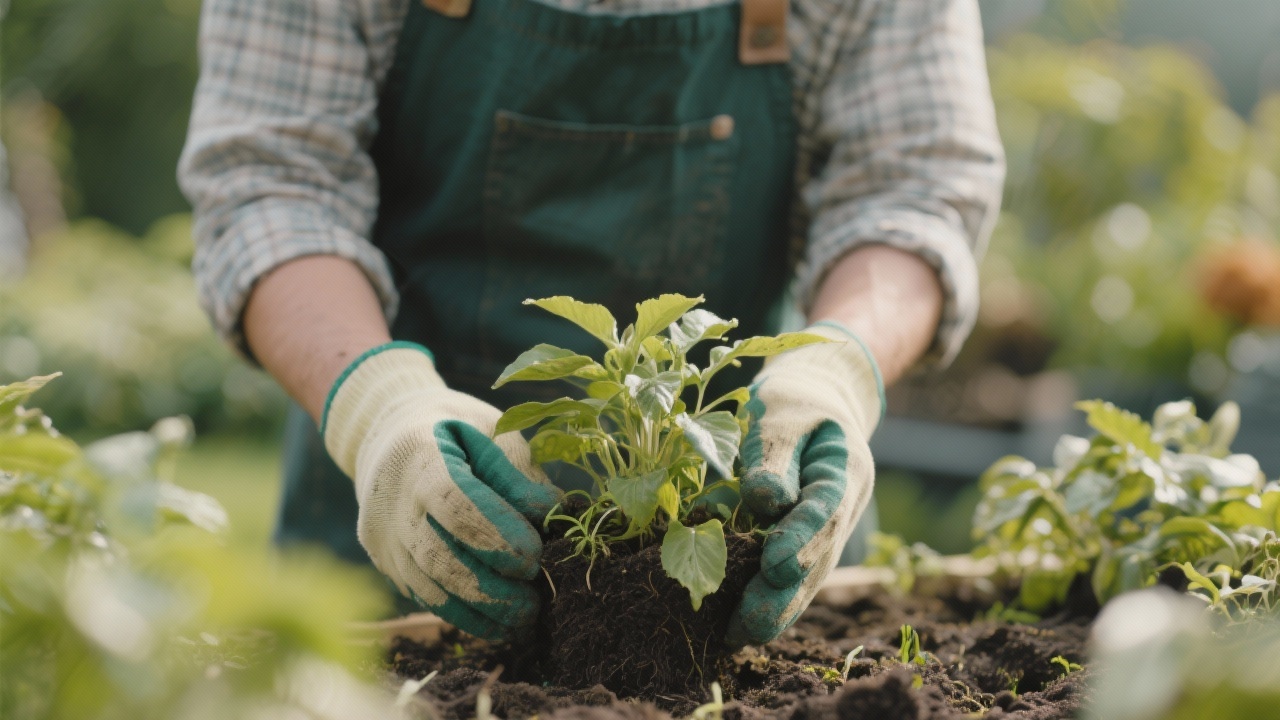
Successful establishment of your Swiss Chard Fireworks begins with planting at the right time, once all risk of frost has passed and the soil temperature is consistently above 10°C. For optimal root development, prepare your garden bed by performing a thorough weeding, then loosen the soil to a depth of at least 20 cm. Incorporate a generous amount of mature compost or an enriched soil mix to create a fertile and well-draining medium. Before moving them to their final location, it is essential to acclimatize your young plants. Over a period of seven to ten days, gradually expose them to outdoor sun and wind to prevent transplant shock. Just prior to planting, water the seedlings in their pots thoroughly; this helps the root ball to hold together and reduces stress during the transfer from pot to soil.
Planting and Installing the Seedling
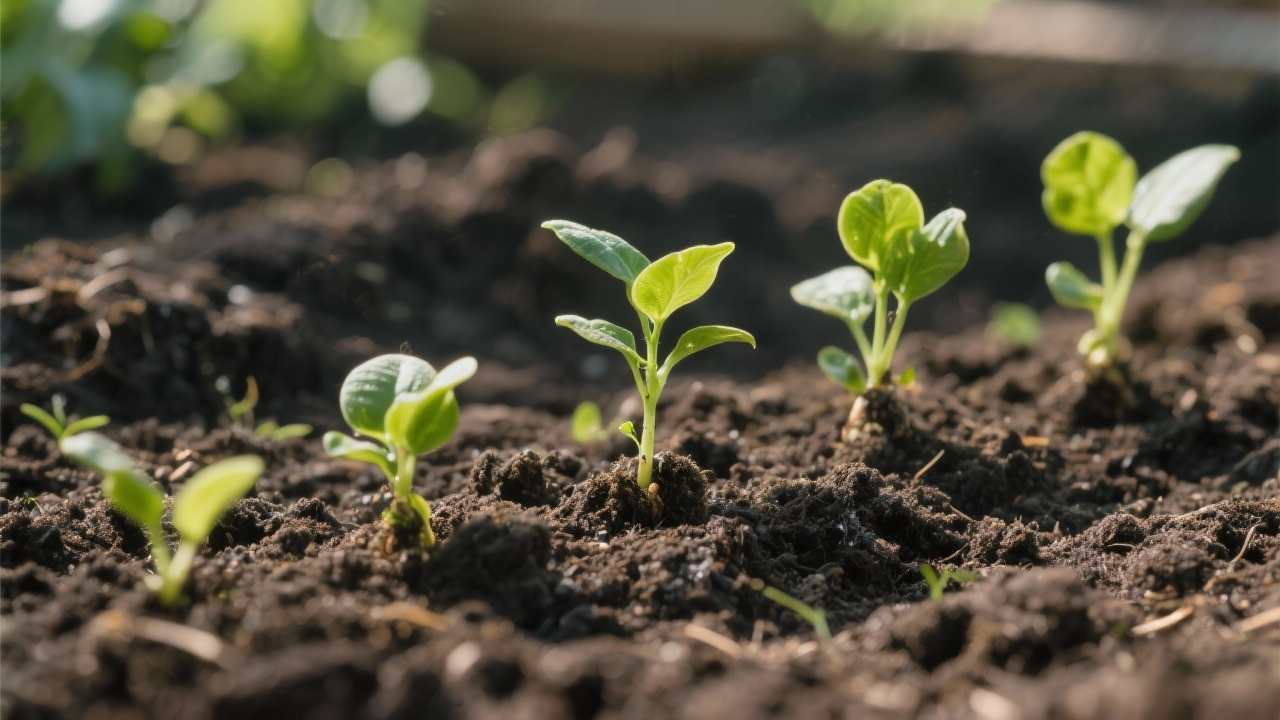
When you are ready to plant, create a hole for each seedling. Position the plant so that its collar, the point where the stems emerge from the roots, sits level with the surrounding soil surface; avoid burying the plant deeper than it was in its original container. Gently firm the earth around the base of the plant to eliminate air pockets and ensure good root-to-soil contact. Water generously immediately after planting to settle the soil and thoroughly hydrate the roots. Ensure proper spacing for healthy growth by leaving 30 to 40 cm between each plant and 40 to 50 cm between rows. To complete the installation, apply a layer of organic mulch, such as straw or shredded leaves, around the plants. This immediate mulching is key to conserving soil moisture and suppressing weed competition from the start.
Key takeaway
- Temperature : Optimal 10-24°C
- Humidity : Moderate
- Light : Full sun
- Transplanting : 2-4 true leaves
Optimal Conditions and Soil Preparation for Swiss Chard 'Fireworks'
For a robust start in your vegetable gardening, plant 'Swiss Chard Fireworks' seedlings once all frost danger has passed, when air and soil temperatures consistently reach 10°C to 18°C. Prioritize a thoroughly weeded site with soil loosened to at least 20 cm deep. Incorporate generous amounts of well-decomposed mature compost or enriched soil, aligning with principles of organic farming. Young plants benefit from 7-10 days of gradual acclimatization outdoors to harden them off. Before planting, briefly submerge root balls in water for 10 minutes for optimal hydration, or gently tease apart any matted roots from the nursery substrate to encourage outward growth, vital for successful regrowth.
Precise Planting and Immediate Care for 'Fireworks' Chard
Plant seedlings at the same depth they were in their nursery pot, with the plant's collar sitting flush with the soil. Lightly compact the soil around the root ball to remove air pockets, then create a small basin and apply a thorough watering. This initial drench settles the soil and promotes immediate uptake, crucial for successful regrowth. Space individual 'Fireworks' Swiss Chard plants approximately 25 cm apart within the row, with rows separated by about 45 cm for ample development. Immediately apply a 5-7 cm layer of organic mulch around the plants. This critical step in vegetable gardening conserves moisture, moderates temperature, and suppresses weed competition. In exposed sites, a temporary windbreak or shade cloth may aid newly transplanted seedlings during establishment.
Key takeaway
- Depth: Same depth as nursery pot
- Espacement: 25 cm plants; 45 cm rows
- Watering: Thorough drench immediately; consistent moisture
- Mulching/ Protection: 5-7 cm organic mulch; windbreak/shade exposed sites
Managing Plant Growth and Vigor for Swiss Chard Fireworks
Maintaining the vibrant 'Swiss Chard Fireworks' hinges on consistent care. For optimal growth, establish a routine of deep, consistent watering, especially during dry periods, to prevent water stress and encourage robust root systems. Aim to moisten the root zone thoroughly, allowing the top soil layer to dry slightly before re-watering, typically indicating a need for 1-2 liters per plant weekly, adjusted for weather. Regarding sustainable fertilization, embrace **organic farming** practices. Incorporate well-rotted compost or a balanced **organic input** at the start of the growing season. A light, liquid organic feed, such as a balanced kelp solution, can be split into two applications during the active growth phase to support continuous leaf production. Regular **hoeing** helps control weeds and improves soil aeration, contributing to overall **vegetable garden maintenance**. A consistent layer of **mulching** with organic materials like straw or shredded leaves is paramount; it conserves soil moisture, suppresses weeds, and moderates soil temperature, reducing the need for frequent irrigation and weeding.
Health Protection and Environmental Balance for Swiss Chard Fireworks
Proactive **health monitoring** is essential to safeguard 'Swiss Chard Fireworks'. Regularly inspect both upper and lower leaf surfaces for early warning signs of common **garden pests** like aphids or leaf miners, and for symptoms of potential **plant diseases**, such as fungal spots, which can be exacerbated by high humidity. Adopting principles of **ecological gardening** means prioritizing prevention. Ensure adequate air circulation around plants and manage climatic conditions like excessive heat or strong winds, which can stress plants. If issues arise, apply principles of integrated protection: identify the problem accurately and intervene with gentle solutions, such as hand-picking pests or using neem oil, before considering broader applications. The strategic practice of **crop rotation** is vital to break pest and disease cycles in your **vegetable garden**, preventing pathogen build-up in the soil. Furthermore, thoughtful intercropping with beneficial companion plants can naturally deter pests and foster a balanced, resilient garden ecosystem, limiting health problems without relying on intensive treatments.
Key takeaway
- Type of soil : Fertile, well-drained, humus-rich loam, pH 6.0-7.0
- Care : Light hoeing, regular weeding, balanced organic feed monthly, harvest outer leaves
- Watering : Consistent moisture 1-2x/week, deep watering, keep soil evenly moist
- Prevention : 5-8 cm organic mulch, crop rotation, remove yellowed leaves promptly
Determining the Optimal Harvest Window
The visual assessment of maturity is the primary indicator for the Swiss Chard 'Fireworks'. The ideal harvest begins when the outer leaves reach a length of 6 to 10 inches, displaying vibrant, firm stalks. This stage is typically reached approximately 50 to 60 days after the initial seedlings emerge in the vegetable garden. To ensure the highest quality, picking should be conducted in the cool of the morning when the plant's tissues are fully hydrated, thus reducing post-harvest stress. Harvesting during dry weather is a tenet of good agricultural practices, as excess surface humidity on the leaves can negatively impact their preservation. This variety allows for a continuous harvest; by regularly picking the mature outer leaves every one to two weeks, the plant is stimulated to produce a steady supply of fresh fruit and vegetables, a rewarding practice often seen in organic farming.
Harvesting Techniques and Post-Harvest Preservation
Employing proper technique is crucial for both plant health and product quality. Use clean, sharp cutting tools, such as a knife or shears, to cleanly sever the outer leaves near the base of the plant, leaving the inner core to continue growing. Handle the leaves gently by their stems to avoid bruising, which can lead to rapid oxidation and a loss of crispness. After picking, a quick inspection to remove any damaged foliage is recommended. For optimal preservation, rapid cooling is key; a brief *pre-cooling* in chilled water can help lock in freshness. The ideal storage conditions are a low temperature between 35-40°F (2-4°C) and a high relative *hygrometry* of 95-100%. Placing the unwashed, dry leaves in a perforated plastic bag in a refrigerator can maintain these conditions, preserving quality for over a week. For transport, keep the chard cool and protected from physical damage to ensure it arrives in pristine condition.
Key takeaway
- Period : 50-60 days after emergence; continuous 1-2 weeks
- Stage : Outer leaves 15-25 cm, vibrant, firm stalks
- Method : Cut outer leaves cleanly at base; sharp tools
- Storage : Fridge, 2-4°C, 95-100% RH, >1 week
The Vibrant Flavors of Swiss Chard 'Fireworks'
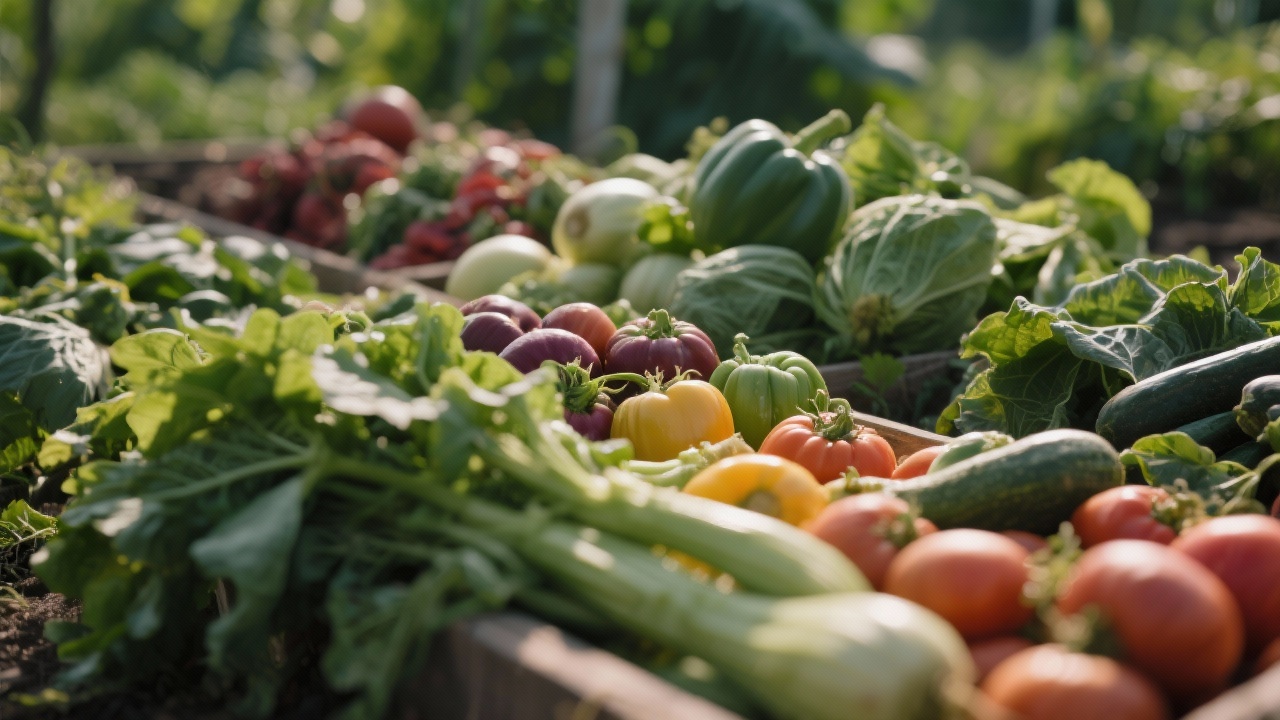
The 'Fireworks' variety of Swiss chard offers a compelling experience for **home cooking** enthusiasts, utilizing both its vibrant leaves and sturdy stems. The tender, crinkled leaves present an earthy, mildly mineral taste, reminiscent of spinach but with a subtle depth, while the striking, colorful stems provide a satisfyingly crunchy texture and a slightly sweeter, less earthy note. This versatile **garden vegetable** excels in various **culinary preparation** methods: its leaves are delicious when quickly sautéed with garlic and olive oil for a vibrant side dish, steamed to retain their delicate character, or braised until melt-in-the-mouth tender in rich broths. The stems, separated from the leaves, can be finely diced and added to stir-fries or roasted alongside other root vegetables, lending a pleasant bite. For optimal **flavor combinations**, Swiss chard pairs beautifully with lemon, toasted nuts, hard cheeses, and plant-based proteins like white beans, making it a staple in diverse **vegetable recipes** from Mediterranean tarts to hearty grain bowls.
Enhancing and Preserving Your 'Fireworks' Chard
To elevate the **fresh flavor** of Swiss Chard 'Fireworks', thoughtful **seasoning** is key. A drizzle of quality olive oil, a squeeze of fresh lemon juice, or a splash of balsamic vinegar enhances its inherent zest. Aromatic additions like minced garlic, a pinch of red pepper flakes, or a grating of fresh nutmeg complement its robust profile. From a **nutritional value** standpoint, this **garden vegetable** is a powerhouse, rich in vitamins K, A, and C, essential minerals like magnesium and potassium, and beneficial dietary fiber, contributing to a vibrant diet. While young leaves can be enjoyed raw in moderation, cooking helps reduce naturally occurring oxalates and mellows any slight bitterness. For **storage**, 'Fireworks' chard keeps well for up to a week when loosely wrapped in a damp paper towel and refrigerated in the crisper drawer. For longer preservation, blanching and then freezing the leaves ensures a supply for future **home cooking** needs. Experimenting with lacto-fermentation also offers a unique, tangy preservation method, transforming this colorful chard into a distinctive condiment.
Key takeaway
- Flavor Profile : Earthy, mild mineral leaves; sweet, crunchy stems.
- Classic Uses : Sautéed, steamed, braised; raw (young leaves); roasted stems.
- Pairings : Lemon, nuts, hard cheese, garlic, olive oil, white beans.
- Storage : Fridge (1 week, damp towel); blanch and freeze.

Companion plants