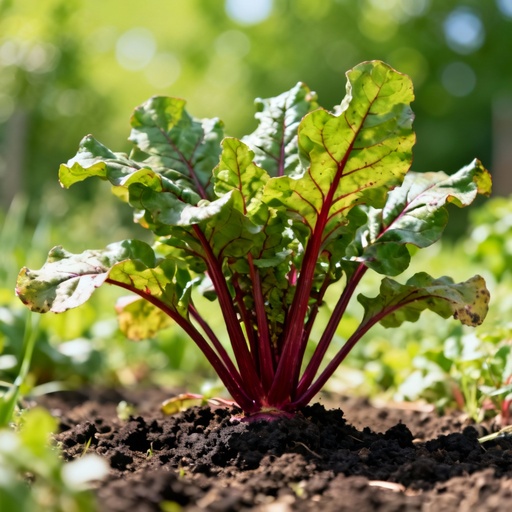
Beetroot Boro F1
Beta vulgaris
Remarkable vigor for a quick and easy harvest.Dispo. en Octobre
- High in dietary nitrates, folate, iron and vitamin C
- Boosts exercise performance and supports healthy cardiovascular function
- Natural nitrates help reduce hypertension and improve oxygen delivery

certified organic

Pays-Bas


Plant profile

Growing calendar

Growing tips
Conditions and Preparation for Planting
The successful establishment of your Beetroot Boro F1 plants starts with a well-timed planting in spring, once all risk of frost has passed and the soil temperature is consistently above 10°C. Prepare the garden bed in your vegetable plot by carefully weeding and loosening the soil to create a fine, crumbly texture. Incorporate a generous amount of mature compost or enriched soil to improve fertility and structure, which is essential for good root development. Before moving them to their final position, it is crucial to acclimatize your young plants for 7 to 10 days. This hardening-off process involves gradually exposing them to outdoor sun and wind, which toughens them up and prevents transplant shock. Water the seedlings in their pots an hour before planting to thoroughly hydrate the root ball and ensure easy removal.
Planting and Installing the Seedling
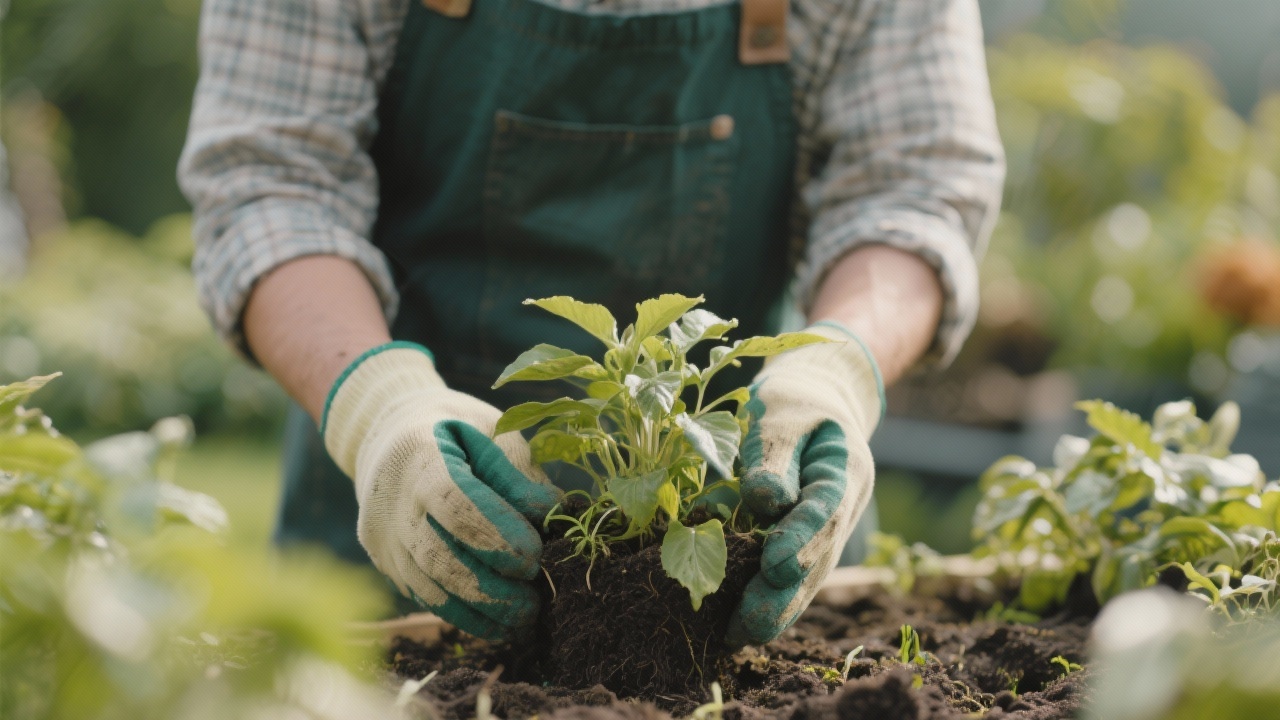
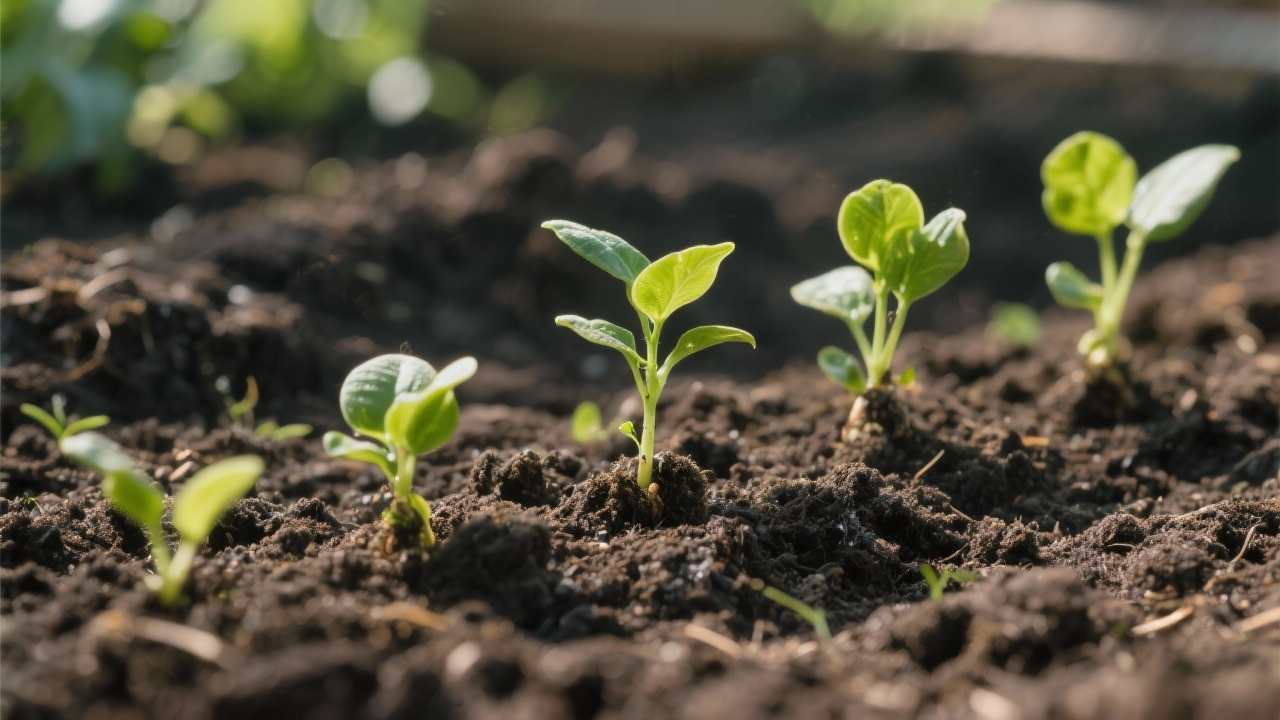
To plant your Beetroot Boro F1 seedling, dig a hole just large enough for the root ball and position the plant so the top of its root ball is level with the surrounding soil. The collar, which is the point where the leaves meet the root, should not be buried. Gently backfill with soil and lightly firm it around the plant to ensure good root-to-soil contact and eliminate air pockets. Follow immediately with a generous watering to settle the plant in. For optimal growth, space the plants approximately 15 cm apart within the row, with 30 cm between rows. To complete the planting, apply a layer of organic mulch, such as straw or compost, around the base of the plants to help retain soil moisture and reduce competition from weeds right from the start.
Key takeaway
- Temperature : 10-20°C (optimal)
- Humidity : Moderate humidity
- Light : Full sun (6+ hours)
- Transplanting : 2-4 true leaves
Preparing the Ground for Successful Beetroot Planting
For **successful regrowth** of Beetroot Boro F1, plant when air temperatures consistently exceed **10°C** and soil temperature reaches at least **7°C**, ensuring no frost risk. Prepare the bed by weeding thoroughly and deeply loosening the soil (20-30 cm) for **healthy growth**. Incorporate a generous layer of **mature compost** or **enriched soil** to boost **soil health** for your vegetable gardening efforts. Acclimatize young plants through 7-10 days of hardening off, gradually exposing them outdoors for **gradual adaptation** and reduced transplant shock. Prior to planting, briefly soak root balls in water for 10-15 minutes for immediate **root establishment**; root pruning is unnecessary.
Installing Beetroot Seedlings for Optimal Growth
Plant Beetroot Boro F1 seedlings so the collar (top of the root ball) is level with the soil surface, ensuring roots are fully covered for **secure planting**. Gently compact the soil around the base to eliminate air pockets, ensuring **firm contact** with roots. Immediately create a small watering basin and provide a thorough initial watering for **initial hydration** and **successful regrowth**. Maintain **optimal spacing** of **10-15 cm** between plants and **30-45 cm** between rows for ample growth. Apply an immediate layer of organic mulch (e.g., straw, shredded leaves) as an organic farming practice to conserve moisture and suppress weeds. Beetroot Boro F1 typically requires no staking or protective covers, except in extreme weather conditions warranting temporary protection.
Key takeaway
- Depth: Collar level with soil surface
- Espacement: 10-15 cm between plants
- Watering: Thorough initial watering; keep soil consistently moist.
- Mulching/ Protection: Immediate organic mulch; no covers normally.
Managing Plant Growth and Vigor
Effective plant maintenance for Beetroot Boro F1 begins with a consistent watering regime. To prevent water stress, especially during dry spells or root development, aim for deep, infrequent irrigation, delivering approximately 2-3 cm of water weekly. This encourages deep root systems rather than shallow, surface roots. For sustainable fertilization, side-dress plants with rich, mature compost or a balanced organic fertilizer (e.g., seaweed meal or pelleted poultry manure) once roots begin to swell, splitting the application if necessary for continuous nutrient supply. Regular hoeing between rows is crucial for weed control and improving soil aeration, vital for healthy root expansion. Maintain a generous layer of mulch, such as straw or wood chips, around plants to conserve soil moisture, suppress competitor weeds, and regulate soil temperature, supporting overall vegetable garden maintenance and an ecological gardening approach. Beetroot generally does not require pruning, pinching, or staking.
Health Protection and Environmental Balance
Vigilant health monitoring is paramount to protect Beetroot Boro F1. Regularly inspect foliage for early warning signs of plant diseases like powdery mildew or common garden pests such as aphids or leaf miners. Embrace integrated and ecological protection principles, prioritizing prevention through optimal plant spacing and healthy soil. Intervention should be considered only when pest or disease pressure exceeds specific intervention thresholds, opting for gentle solutions like insecticidal soaps or biological controls over synthetic chemicals. Managing climatic conditions is also key: ensure adequate air circulation to reduce humidity-related fungal issues, and consider temporary shade during extreme heat to prevent bolting. Practicing diligent crop rotation is fundamental for long-term environmental balance in the vegetable garden, preventing the build-up of soil-borne pathogens and pests. Integrating intercropping with beneficial companion plants can further enhance natural pest deterrence and biodiversity.
Key takeaway
- Type of soil : Well-drained, fertile loam, pH 6.0-7.0, stone-free, compost-enriched
- Care : Regular hoeing, thin seedlings to 10 cm apart, light compost feed during growth
- Watering : Consistent moderate moisture 1-2x/week, avoid drought which causes woody roots
- Prevention : 5-8 cm organic mulch, crop rotation 3 years, avoid fresh manure
Harvest Time and Conditions
Determining the ideal moment for the harvest of Beetroot Boro F1 is crucial for ensuring optimal quality. The primary indicator of maturity is the size of the root, which should ideally reach a diameter of 5 to 7 centimetres, often with its shoulders slightly visible at the soil surface. This stage is typically reached 70 to 80 days after the plant's establishment in the vegetable garden. For the best results, conduct the harvest in the morning on a dry day, when the roots are firm and full of moisture. Adhering to these good agricultural practices, also fundamental in organic farming, helps secure a consistent yield of high-quality fresh fruit and vegetables without stressing the plant with excessive heat.
Methods, Handling, and Storage
The harvesting technique directly impacts the preservation of your beetroot. Gently loosen the surrounding soil with a fork before carefully pulling the root. Once harvested, use clean cutting tools to remove the leaves, leaving about 2-3 cm of the stem attached to prevent sap bleeding and subsequent quality loss. Handle the beetroots delicately to avoid bruising their skin. For optimal storage, brush off excess soil without washing them. A rapid pre-cooling before placing them in a cool, dark environment with a high humidity of around 95% is recommended. A stable temperature close to 4°C will ensure their freshness is maintained for several weeks, preserving the integrity of your hard-earned fresh fruit and vegetables during transport and storage.
Key takeaway
- Period : 70-80 days after plant establishment.
- Stage : Root 5-7 cm diameter; shoulders slightly visible.
- Method : Loosen soil, pull root, leave 2-3 cm stem.
- Storage : Cool, dark, 4°C, 95% humidity, several weeks.
Culinary Delights of Beetroot Boro F1: Taste and Preparation
The Beetroot Boro F1 is a gem among garden vegetables, offering a remarkable versatility for home cooking. Its primary edible part, the deep crimson root, boasts a distinctively earthy yet sweet flavor, complemented by subtle mineral undertones. When enjoyed raw, thinly sliced or grated, it delivers a satisfying crunchy texture with a vibrant, fresh flavor, perfect for invigorating salads. Through various culinary preparation methods, this beetroot transforms: roasting caramelizes its natural sugars, yielding a rich, concentrated sweetness and a melt-in-the-mouth tenderness after approximately 45-60 minutes in a moderate oven. Boiling or steaming for 30-40 minutes also brings out its succulent qualities, making it ideal for purees or sides. Its robust profile creates harmonious flavor combinations with tangy goat cheese, fresh dill, bright citrus, toasted walnuts, or even a hint of caraway, enriching countless vegetable recipes.
Seasoning, Nutrition, and Optimal Storage
To truly elevate the Beetroot Boro F1, consider simple yet impactful seasoning. A drizzle of quality olive oil or a bold balsamic vinegar, perhaps with a squeeze of fresh lemon and a sprinkle of sea salt and black pepper, enhances its natural sweetness. Fresh herbs like dill, mint, or chives are classic companions. For a creamy finish, sour cream or a plant-based alternative can be stirred into purées or served alongside roasted slices. Beyond its appealing taste, this beetroot offers significant nutritional value, packed with essential vitamins like folate, minerals such as potassium and manganese, and beneficial antioxidants known as betalains, contributing to a healthy diet. For optimal storage, fresh roots keep well in the refrigerator for several weeks, while blanched and cooked beetroot can be easily frozen for long-term storage, ensuring a supply of this vibrant ingredient for future cooking adventures. Pickling or lacto-fermenting are also excellent preservation methods, adding a tangy complexity.
Key takeaway
- Flavor Profile : Sweet, earthy, rich, deep flavor; smooth dense flesh, classic beet
- Classic Uses : Roasted, boiled, pickled, salads, soups (borscht), purée, chips
- Pairings : Goat cheese, horseradish, dill, walnuts, orange, cream, balsamic
- Storage : Refrigerate raw 2-3 weeks, cooked 5 days, pickle for long storage

Companion plants