White Lisbon Spring Onion
Allium cepa
A classic heritage spring onion with mild flavour and crisp white stems.- Rich in vitamin C and K, provides folate and beneficial allium antioxidants
- Allium compounds support cardiovascular health and promote healthy immune system function
- Natural antimicrobial properties help prevent infections and support digestive health balance

certified organic

Pays-Bas


Plant profile

Growing calendar

Growing tips
Growing White Lisbon Spring Onion from Seed: A Complete Guide
Conditions and Preparation for Sowing
White Lisbon Spring Onion seeds can be sown from early spring through late summer for a continuous harvest, or in September for an overwintered early spring crop. Seeds germinate best when soil temperatures range between 10 and 20°C, with optimal germination occurring at 15 to 18°C within 7 to 14 days. Prepare a weed-free seedbed in a sunny to partially shaded location with fertile, well-drained soil enriched with mature compost. Rake the surface to a fine tilth before sowing to ensure even seed-to-soil contact. For indoor starts, sow seeds 8 to 10 weeks before your intended transplant date in trays filled with quality seed-starting compost, maintaining consistent moisture and warmth.Sowing Technique and Early Care
Sow seeds directly into shallow drills approximately 1 to 1.5 cm deep, spacing rows 15 to 30 cm apart depending on your garden layout. Scatter seeds thinly along the drill at a rate of approximately 3 seeds per 2.5 cm, then cover lightly with fine soil and water gently using a rose-headed watering can to avoid displacing the seeds. There is generally no need for thinning if growing as bunch-pull spring onions; however, if larger stems are desired, thin seedlings to 5 to 8 cm apart once they reach approximately 8 cm in height. Keep the seedbed consistently moist throughout germination and early establishment, as the shallow root system of spring onions makes them particularly sensitive to drought stress during this critical period.Key takeaway
Conditions and Preparation for Planting White Lisbon Spring Onion
The ideal planting period for White Lisbon Spring Onion extends from early spring through late summer, with successive sowings every 3 weeks ensuring a continuous harvest throughout the growing season. Autumn sowings in September provide an early spring crop the following year. Prepare your planting area by thoroughly removing weeds and loosening the soil to a depth of 15 to 20 cm, incorporating 2 to 3 cm of well-rotted compost or organic matter to improve soil structure and nutrient availability. Choose a site in full sun to partial shade with fertile, moisture-retentive yet well-drained soil. Before transplanting indoor-raised seedlings, harden them off gradually over 7 to 10 days by increasing outdoor exposure. Water transplants thoroughly the day before planting to minimize root disturbance and transplant shock.
Planting and Installing the Seedling
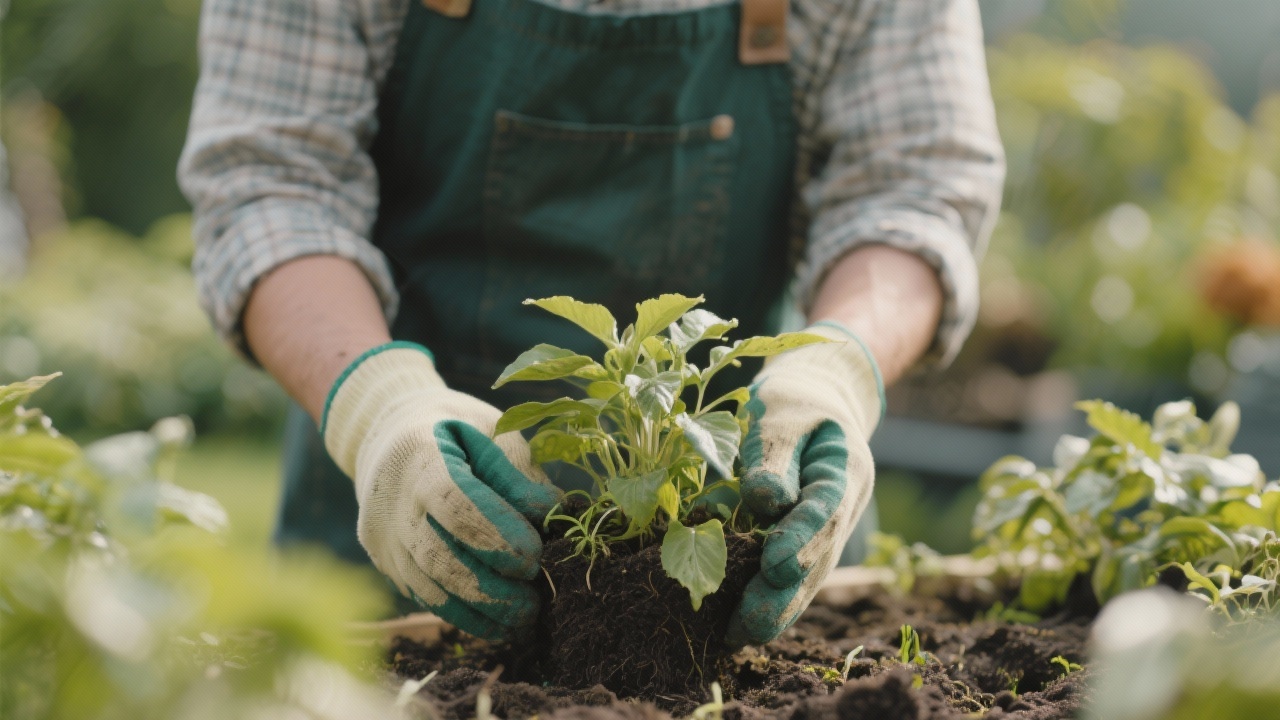
Plant White Lisbon Spring Onion seedlings at the same depth they occupied in their containers, ensuring the base of the stems sits level with the soil surface. If transplanting clumps from indoor-sown trays, gently separate individual plants and space them 5 to 8 cm apart in rows set 15 to 30 cm apart, allowing adequate air circulation and easy harvesting access. After positioning each plant, firm the soil gently around the roots and water immediately to settle the soil and eliminate air pockets. Apply a thin layer of organic mulch, approximately 2 to 3 cm of straw or finely shredded leaves, around the plants to conserve soil moisture, suppress weed competition, and maintain cool root temperatures during warmer periods. For succession planting, repeat the process every three weeks to maintain a continuous supply of fresh spring onions throughout the growing season.
Key takeaway
- Depth : 1-1.5 cm, sow directly into fine-raked, moist garden soil.
- Spacing : 5-8 cm between plants, rows 15-30 cm apart.
- Watering : Water thoroughly after planting, maintain consistent soil moisture.
- Mulching / Protection : Light organic mulch 2-3 cm, cloche protection for autumn sowings.
Managing Plant Growth and Vigor
White Lisbon Spring Onions thrive with consistent moisture management, requiring regular watering to maintain soil humidity at approximately 60 to 70% capacity without waterlogging—typically 15 to 20 mm per week depending on rainfall and temperature conditions. Their shallow root systems make them particularly susceptible to drought stress, so monitor soil moisture closely during warm, dry periods. For organic fertilization, the compost incorporated at planting generally provides sufficient nutrients for this quick-growing crop; however, a light liquid feed of diluted seaweed extract every 2 to 3 weeks can support vigorous leaf development. Regular hand weeding is essential as spring onions are poor competitors against aggressive weeds—keep the area meticulously clean to reduce competition for water and nutrients. A 2 to 3 cm layer of organic mulch around plants helps suppress weeds while conserving moisture and moderating soil temperature fluctuations.
Health Protection and Environmental Balance
Monitor plants regularly for signs of common allium pests including onion fly, leek moth, and allium leaf miner—install fine insect mesh netting over your crop as a preventive barrier against egg-laying adults. Scout for aphids and thrips using visual inspection and remove affected foliage promptly. White rot and downy mildew represent the primary disease threats; maintain adequate spacing and ventilation between plants, avoid overhead watering in the evening, and practice strict crop rotation by avoiding planting alliums in the same location for at least three consecutive years. Companion planting with carrots can provide mutual pest-deterrent benefits, as spring onions help mask the scent of carrots from carrot fly. Growing mint nearby may also help confuse and deter onion fly from locating your crop.
Key takeaway
- Type of soil : Fertile, well-drained loam, pH 6.0-7.0, enriched with compost
- Care : Regular hand weeding, light liquid seaweed feed every 2-3 weeks
- Watering : Consistent moisture 15-20 mm weekly, shallow roots need regular attention
- Prevention : Crop rotation 3 years, avoid waterlogging, companion plant with carrots
Harvest Time and Optimal Conditions
White Lisbon Spring Onions reach harvest maturity approximately 8 to 12 weeks after sowing, when stems have developed to a usable size of approximately 1 to 2 cm in diameter with bright green, upright foliage and firm white bases. The plants can be pulled at any stage from pencil-thin baby onions through to more substantial bulbing specimens depending on your culinary preference. For optimal quality and flavor, harvest during the cool morning hours when the plants retain maximum cellular turgidity and moisture content. Choose conditions between 10 and 18°C to minimize stress on the harvested vegetables. In a well-managed successional planting system, you can expect continuous harvests from late spring through autumn, with overwintered sowings providing the earliest spring crops. Avoid allowing plants to remain in the ground too long as the flavour intensifies and stems become tougher with age.
Harvesting Methods, Handling, and Storage Protocol
Harvest White Lisbon Spring Onions by gently loosening the surrounding soil with a hand fork before pulling the entire plant upward by the base of the stems to avoid bruising or snapping the delicate leaves. Alternatively, for a cut-and-come-again approach, trim the green tops approximately 2 to 3 cm above soil level, leaving the white base to regenerate fresh growth for subsequent harvests. Immediately after harvesting, remove any damaged outer leaves and shake off excess soil. Bundle the spring onions loosely and store them upright in a jar or glass of water in the refrigerator for maximum freshness, lasting approximately 7 to 10 days. For longer storage, wrap unwashed spring onions in slightly damp paper towels and place them inside a perforated plastic bag in the crisper drawer of your refrigerator. Spring onions can also be sliced and frozen for use in cooked dishes throughout the winter months.
Key takeaway
- Period : 8-12 weeks after sowing, late spring through autumn
- Stage : Stems 1-2 cm diameter, bright green tops, firm white base
- Method : Loosen soil with fork then pull gently, or cut-and-come-again above base
- Storage : Refrigerate upright in water 7-10 days, or wrap in damp paper towel
Fresh Flavour and Culinary Versatility
The White Lisbon Spring Onion delivers a mild, sweet onion flavour with a pleasant crisp texture that makes it an indispensable ingredient across numerous culinary traditions. Both the white bulb base and the vibrant green tops are fully edible, offering slightly different flavour profiles—the white section provides a more concentrated onion taste while the green tops contribute a delicate, fresh herbaceous quality. In raw preparations, thinly sliced spring onions add brightness and crunch to salads, salsas, dips, and sandwich fillings. They form a classic component of Asian stir-fries, added at the last moment to preserve their fresh snap, and are essential in Chinese scallion pancakes and Japanese yakitori preparations. The green tops make an elegant garnish for soups, baked potatoes, and cream-based dishes, while the white portions can be gently grilled or charred whole to develop a sweet, caramelized depth of flavour.
Seasoning, Nutrition, and Optimal Storage
White Lisbon Spring Onions pair beautifully with ginger, garlic, soy sauce, sesame oil, fresh chilli, lime juice, and rice vinegar in Asian-inspired dishes, while equally complementing butter, cream, fresh herbs, and mild cheeses in European cooking. Nutritionally, spring onions provide vitamin C, vitamin K, folate, and dietary fibre alongside beneficial allium compounds known for their antioxidant properties. For maximum flavour retention, add raw spring onions to dishes just before serving or incorporate them into hot preparations only during the final minutes of cooking. Store fresh spring onions refrigerated for up to 10 days, or preserve by slicing thinly and freezing in small portions for convenient addition to cooked dishes throughout the year. The green tops can also be dehydrated and crumbled as a seasoning garnish.
Key takeaway
- Flavor Profile : Mild sweet onion, crisp texture, fresh herbaceous green tops
- Classic Uses : Raw in salads, stir-fries, soups, grilled whole, scallion pancakes
- Pairings : Ginger, garlic, soy sauce, sesame oil, butter, cream, fresh herbs
- Storage : Refrigerate upright in water 7-10 days, freeze sliced for cooking

Companion plants