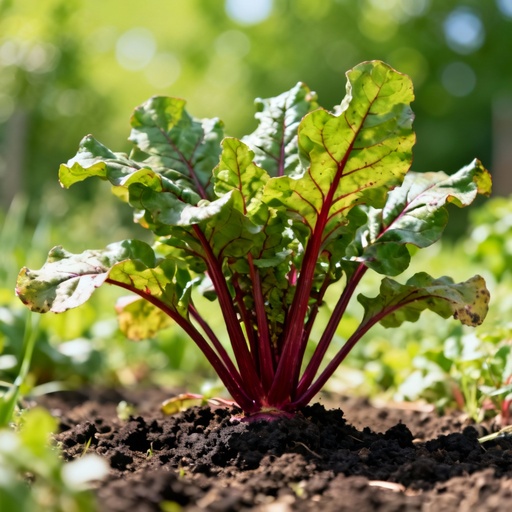
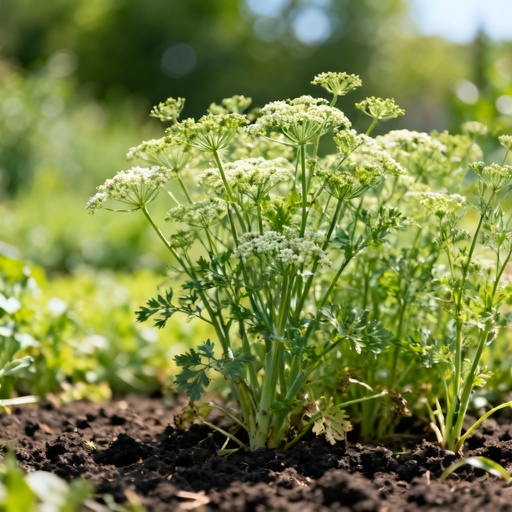
Turnip Goldana
Brassica rapa
A sweet, mild taste that redefines the classic.- Good source of vitamin C, potassium, fiber and manganese
- Relieves bloating, supports smooth digestion and reduces water retention
- Anethole compound provides anti-spasmodic and anti-inflammatory therapeutic effects

certified organic

Pays-Bas

Plant profile

Growing calendar
Growing tips
Preparing for Successful Establishment
For a successful planting of your Turnip Goldana seedlings, choose a period in spring after the last hard frost, or in late summer for an autumn crop. The ideal conditions include an air temperature consistently above 8°C and a soil temperature of at least 10°C. Your vegetable garden plot should be meticulously prepared by first performing a thorough weeding, followed by loosening the soil to a depth of 20-30 cm. Incorporate a generous amount of mature compost or high-quality enriched soil to ensure good fertility and drainage for the developing roots. Before transplanting, it is crucial to acclimatize your young plants over 7 to 10 days by gradually exposing them to outdoor conditions, which prevents transplant shock. Just before placing them in the ground, ensure the root ball is well-hydrated by soaking it briefly in water.
Transplanting and Settling In Your Seedlings
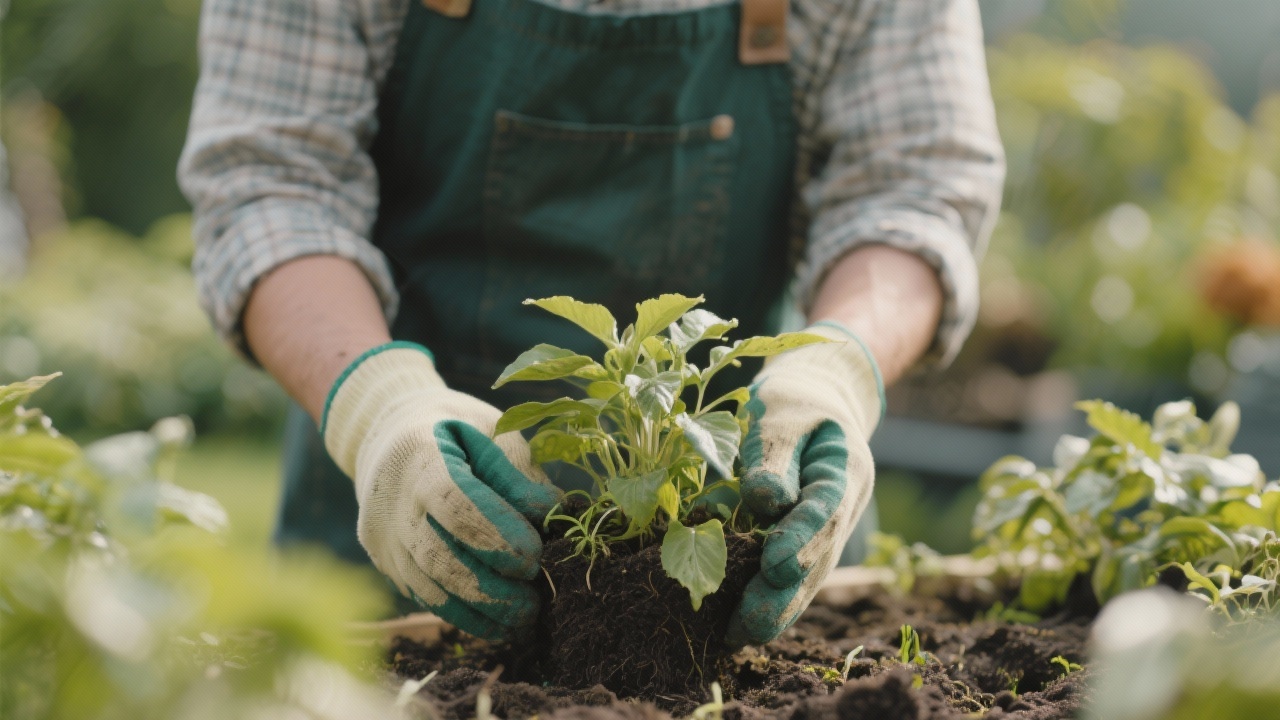
When you are ready to plant, create individual holes for each seedling. Position the young plant so the collar, the point where the stem meets the root system, sits level with the surrounding soil surface. Backfill the hole and gently firm the earth around the base to establish good root-to-soil contact, which is essential for proper establishment. Immediately follow up with a generous watering to settle the soil and eliminate any air pockets. Adhere to a final spacing of approximately 15 cm between plants within the row and 30 cm between rows, allowing ample room for root development. To complete the planting process, apply a layer of organic mulch, such as straw or fine wood chips, around the plants. This simple step helps to conserve soil moisture and significantly reduces competition from emerging weeds.
Key takeaway
- Temperature : 15–20°C
- Humidity : Humidité modérée
- Light : Plein soleil
- Transplanting : 3–4 feuilles
Conditions and Preparation for Planting Turnip Goldana
For **successful regrowth** of your Turnip Goldana, choose an ideal planting period when **frost** is no longer a threat, typically early spring or late summer. Ensure **soil temperatures** are between 10°C and 20°C and air temperatures are similar. Begin by thoroughly **weeding** the area, then loosen the soil to at least 20 cm deep for optimal root development. Incorporate generous amounts of well-rotted **mature compost** or **enriched soil** to boost fertility and drainage, adhering to **organic farming** practices. Before transplanting, gradually acclimatize young plants over 5-7 days to prevent transplant shock. If roots are pot-bound, gently tease them apart; a brief soak can also aid initial moisture absorption for healthy establishment.
Planting and Installation of Turnip Goldana Seedlings
For **planting**, position each Turnip Goldana seedling so its **collar** (where roots meet stem) is at the soil level of its original pot. Carefully backfill and gently **compact the soil** around the base to eliminate air pockets, ensuring good root contact for **successful regrowth**. Immediately form a small basin and **water thoroughly** to settle the soil. Maintain a final spacing of 10-15 cm between plants and 30-45 cm between rows for robust development. Apply a layer of organic mulch immediately to conserve **soil moisture** and suppress **weed competition**. While staking is not needed, a **light row cover** can offer protection from early cold snaps or common pests, safeguarding young plants during their critical establishment.
Key takeaway
- Depth: Collar at original pot's soil level.
- Espacement: 10-15 cm between plants.
- Watering: Thoroughly immediately; maintain consistent moisture.
- Mulching/ Protection: Organic mulch; light row cover for protection.
Managing Plant Growth and Vigor
For optimal Turnip Goldana development, consistent watering is paramount, especially as roots swell. Aim for deep, regular irrigation, about 2.5 cm weekly, to prevent water stress that can lead to tough, woody roots. Efficient methods like drip lines are recommended. For sustainable fertilization, integrate well-rotted compost or a balanced organic granular feed. A split application, with a lighter boost midway through the season, supports continuous root formation. Essential vegetable garden maintenance includes regular hoeing and hand weeding to eliminate competition. Apply a generous layer of mulching material (straw, wood chips) to conserve moisture, suppress weeds, and moderate soil temperature. Ensure adequate spacing by thinning seedlings to 10-15 cm apart, allowing roots ample room.
Health Protection and Environmental Balance
Vigilant plant maintenance involves continuous health monitoring for early signs of plant diseases and garden pests, such as flea beetles or clubroot. Adopt an ecological gardening approach with integrated pest management (IPM): prioritize prevention through healthy soil, good air circulation, and proper sanitation. For minor infestations, gentle solutions like insecticidal soap or manual removal are preferred. Manage climatic conditions by providing partial shade during unexpected heatwaves to prevent bolting, and ensure good air flow to minimize fungal risks. Implement strict crop rotation, avoiding planting brassicas in the same spot for at least three years, to disrupt pest cycles and maintain soil health. Consider intercropping with beneficial companions to further enhance resilience.
Key takeaway
- Type of soil : Light, well-drained, fertile loam, pH 6.0-7.0, stone-free
- Care : Light hoeing, regular weeding, thin seedlings to 15 cm, light compost feed
- Watering : Consistent moisture 1-2x/week, avoid drought stress which causes bitter roots
- Prevention : 5-8 cm organic mulch, crop rotation 3-4 years, insect netting if needed
Determining the Optimal Harvest Time
The harvest of Turnip Goldana is a crucial step that directly influences the quality of your fresh fruit and vegetables. The ideal moment is determined by the root's diameter, which should be between 5 and 7 centimetres to guarantee a tender texture and delicate flavour. A key indicator of maturity is when the smooth, golden shoulders of the turnip become visible just above the soil line. For best results, and as part of good agricultural practices, conduct the harvest on a dry day, preferably in the morning when the roots are firm and cool. This practice, often applied in organic farming, helps ensure a longer shelf life. In your vegetable garden, you can stagger the harvest over several weeks to enjoy a continuous supply, ensuring consistent quality and freshness with each picking.
Harvesting Techniques and Post-Harvest Care
To harvest, gently loosen the surrounding soil before pulling the turnip to avoid breakage. Immediately use clean cutting tools to trim the leaves to about 2-3 centimetres from the crown; this is vital for good preservation as it limits water loss from the root. Handle with care to prevent bruising the skin. A rapid pre-cooling, achieved by moving them to a cool location shortly after harvest, is key to removing field heat. After sorting and gently brushing off soil, the ideal storage environment is cool and dark with high humidity. Aim for a temperature between 0 and 4°C and a relative hygrometry of around 95%. These conditions will ensure the successful preservation of your crop for several weeks, maintaining its excellent quality.
Key takeaway
- Period : Staggered over several weeks for continuous supply.
- Stage : Root diameter 5-7 cm; golden shoulders visible.
- Method : Loosen soil, pull gently; trim leaves 2-3 cm.
- Storage : 0-4°C, 95% RH, cool/dark; lasts weeks.
Unveiling Goldana's Culinary Charms
The Turnip Goldana presents a delightful duality in the home kitchen, offering both its crisp, globe-shaped root and vibrant, tender greens. The root boasts a naturally sweet, subtly earthy flavor with a mild peppery finish, far less pungent than other turnip varieties, making it exceptionally versatile. When enjoyed raw, finely sliced or grated, it adds a refreshing crunch to salads, while sautéed or roasted, its texture transforms into a beautiful melt-in-the-mouth tenderness. This garden vegetable shines in simmered dishes like hearty stews or aromatic curries, where its sweetness complements other root vegetables or plant-based proteins like lentils. A quick steam for 10-15 minutes or roasting at 200°C for 25-35 minutes brings out its best, pairing exquisitely with fresh thyme, rosemary, or a touch of smoked paprika for nuanced flavor combinations.
Seasoning, Nourishment, and Smart Storage
Elevating the Turnip Goldana is effortless with thoughtful seasoning. A drizzle of quality olive oil, a splash of apple cider vinegar or fresh lemon juice, and a sprinkle of sea salt and black pepper are often sufficient. For richer profiles in vegetable recipes, consider a creamy sauce with a plant-based alternative, or infuse with aromatic herbs like dill or chives. Nutritionally, this unassuming root is a good source of Vitamin C, dietary fiber, and essential minerals, contributing to a balanced diet. Goldana turnips are generally well-tolerated, with their mild fresh flavor making them suitable for moderate raw consumption. For short-term preservation, store roots unwashed in the refrigerator for up to two weeks. For long-term storage, they can be blanched and frozen, or transformed into delicious, gut-friendly ferments through lacto-fermentation, extending their garden-fresh appeal.
Key takeaway
- Flavor Profile : Sweet, earthy, mild peppery. Crisp raw, tender cooked.
- Classic Uses : Raw in salads; sautéed, roasted, simmered, steamed.
- Pairings : Thyme, rosemary, smoked paprika, dill, lemon, olive oil.
- Storage : Refrigerate unwashed roots 2 weeks; blanch, freeze.
Companion plants