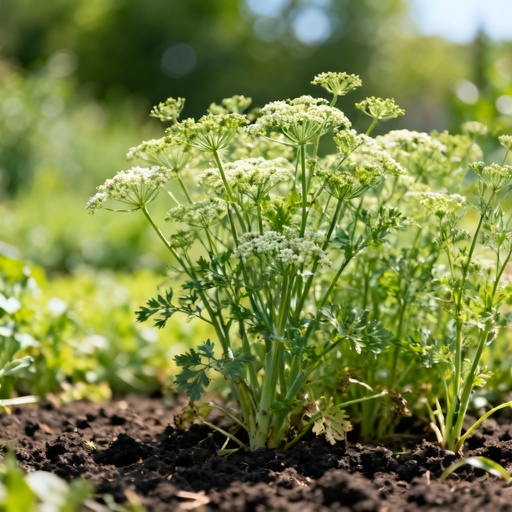
Fennel Solaris
Foeniculum vulgare
Excellent bolt resistance for a longer harvest.- Contains vitamins C, K, folate and organosulfur compounds
- Supports healthy blood clotting and promotes strong bone metabolism
- Allicin-related compounds provide natural antibacterial and immune-boosting effects

certified organic

France


Plant profile

Growing calendar

Growing tips
Conditions and Preparation for Planting
The successful establishment of your Fennel Solaris begins with proper timing and soil preparation. The ideal planting period is in the spring, after the last frost has passed and the soil temperature has reached a stable 15°C, with daytime air temperatures consistently above 12°C. Begin by preparing a clean, weed-free garden bed. Loosen the soil deeply to a fine tilth to promote healthy root growth, and enrich it by incorporating a generous amount of mature compost or well-rotted organic matter. Before transplanting into the garden, it's essential to harden off your young plants over 7 to 10 days. This gradual acclimatization to outdoor sun and wind minimizes transplant shock. Ensure the seedling's root ball is moist before planting, and if the roots are tightly coiled, gently tease them apart to encourage their outward expansion into the new soil.
Planting and Installing the Seedling
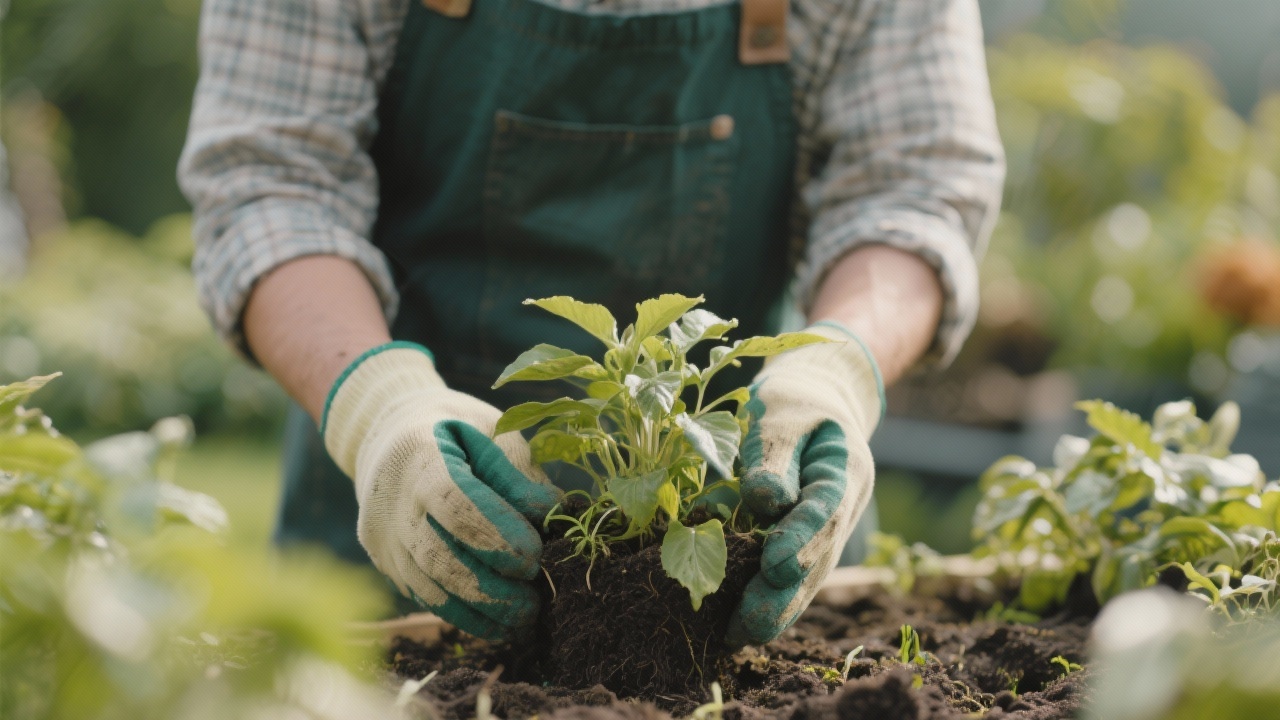
To plant your Fennel Solaris seedling, dig a hole slightly larger than its root ball. Carefully position the plant so that its collar, the point where the stem meets the roots, is level with the surrounding soil surface; avoid burying it any deeper. Gently backfill the hole and lightly firm the soil around the base of the plant to remove any air pockets and ensure good root-to-soil contact. Immediately after planting, provide a thorough and deep watering to settle the soil and hydrate the plant. For optimal growth and bulb development, maintain a final spacing of 30 cm between plants and 40 to 50 cm between rows. Finally, apply a layer of organic mulch, such as straw or wood chips, around the base of each plant to conserve soil moisture and suppress weed competition from the very beginning.
Key takeaway
- Temperature : 15–20°C
- Humidity : Humidité modérée
- Light : Plein soleil
- Transplanting : 3–4 feuilles
Optimal Conditions and Soil Preparation for Fennel Solaris
For successful **planting** of your Fennel Solaris, choose a period when all danger of **frost** has passed, typically late spring or late summer, ensuring air and soil temperatures are consistently above 10°C, ideally 18-24°C, for strong **regrowth**. Begin by thoroughly weeding the chosen site. Loosen the soil to a depth of 25-30 cm to guarantee excellent drainage and root development, incorporating a generous amount of well-rotted **mature compost** or enriched soil. This enriches the ground, aligning with sound **organic farming** principles. Young plants require 7-10 days of gradual **acclimatization** outdoors to harden them off, preventing transplant shock. Prior to planting, ensure the root ball is moist and, if pot-bound, gently tease apart or lightly **prune** any circling roots for better establishment.
Planting and Installation for Successful Regrowth
When **planting** Fennel Solaris, position each seedling so the **collar** (where the stem meets the roots) is level with the soil surface, avoiding deep burial which can lead to stem rot. Gently firm the soil around the base of each plant to eliminate air pockets and ensure optimal root-to-soil contact. Create a small watering basin around the stem and immediately provide a thorough, deep watering to settle the soil and promote vigorous **regrowth**. For optimal bulb development, space plants 15-20 cm apart within rows, allowing 30-45 cm between rows for ease of **vegetable gardening**. Immediately after planting, apply a 5-7 cm layer of organic mulch, such as straw or shredded leaves. This conserves soil moisture, suppresses weed competition, and moderates soil temperature, supporting healthy establishment. Staking is not typically required for Fennel Solaris.
Key takeaway
- Depth: Collar level with soil surface
- Espacement: 15-20 cm apart in rows
- Watering: Thorough, deep immediately; keep moist
- Mulching/ Protection: 5-7 cm organic mulch (straw/leaves)
Managing Plant Growth and Vigor
For Fennel 'Solaris', consistent plant maintenance is crucial for succulent bulb development. The irrigation regime should be steady and ample, especially as bulbs swell, aiming for consistently moist, not waterlogged soil. Deep watering 2-3 times weekly prevents water stress and premature bolting. For sustainable fertilization, incorporate well-decomposed compost or a balanced organic granular feed as a top-dressing during initial growth and again as bulb development begins. This split application supports continuous vigor, aligning with organic farming principles. Regular hoeing is vital for weed control and soil aeration. A generous layer of mulching material (e.g., straw) is paramount to conserve moisture, suppress weeds, and regulate soil temperature. Promptly removing any emerging flower stalks redirects energy to bulb formation.
Health Protection and Environmental Balance
Maintaining the health of 'Solaris' fennel hinges on vigilant health monitoring. Regularly inspect foliage for early signs of plant diseases or common garden pests like aphids, noting distorted leaves or discoloration. Adopting ecological gardening focuses on prevention via good air circulation and encouraging beneficial insects. Intervention thresholds are crucial; gentle solutions like insecticidal soap are preferred. Optimal climatic conditions are important; fennel prefers moderate temperatures. Protecting from strong winds and intense afternoon sun prevents stress and bolting. Integrating crop rotation and thoughtful intercropping into your vegetable garden maintenance plan is fundamental. These practices break pest and disease cycles, improve soil structure, and maintain a balanced garden ecosystem for long-term vitality.
Key takeaway
- Type of soil : Light, well-drained, fertile sandy loam, pH 6.0-7.0, warm soil
- Care : Light hoeing, regular weeding, earth up base as bulb swells, balanced feed monthly
- Watering : Consistent moisture 1-2x/week, avoid drought which triggers bolting
- Prevention : 5-8 cm organic mulch, avoid planting near dill or coriander, crop rotation
Harvest Time and Conditions
The harvest of Fennel Solaris is a delicate operation, guided by precise indicators of maturity. The bulb is ready when it is firm, compact, white, and has reached a diameter of 7 to 10 centimetres, approximately the size of a tennis ball. This stage is typically reached 80 to 100 days after the plant is well established in the vegetable garden. For optimal quality, it is essential to proceed in cool and dry conditions, preferably in the morning after the dew has evaporated. This practice, a cornerstone of good agricultural practices, limits water stress in the plant and preserves the crispness of the bulb. Each plant provides a single bulb, so careful observation allows for a staggered harvest, ensuring a consistent supply of high-quality fresh fruit and vegetables.
Methods, Handling, and Storage
To perform the harvest, use clean and sharp cutting tools, such as a harvest knife, to slice the bulb cleanly at its base, just above soil level. Gentle handling is crucial to prevent bruising, which can accelerate oxidation and compromise preservation. After picking, a quick sorting allows for the removal of any damaged outer leaves. To maximize shelf life, especially within an organic farming framework, rapid pre-cooling is recommended to remove field heat. Optimal storage conditions require a low temperature, ideally between 0°C and 2°C, combined with very high relative humidity of 90-98% hygrometry. Under these conditions, Fennel Solaris can be stored for about two weeks while retaining its freshness and organoleptic qualities.
Key takeaway
- Period : 80-100 days after plant establishment
- Stage : Firm, white bulb, 7-10 cm diameter
- Method : Slice cleanly at base with sharp knife; handle gently
- Storage : 0-2°C, 90-98% RH, up to two weeks
Culinary Allure of Fennel Solaris: Flavor and Preparation
The versatile Fennel Solaris enriches home cooking with its distinct fresh flavor straight from `garden vegetables`. Its crisp, juicy bulb offers a mild, sweet `aniseed` note, becoming wonderfully `melt-in-the-mouth` when cooked. Delicate fronds add subtle herbaceousness, while mature seeds provide intense aromatic warmth. For `culinary preparation`, the bulb shines raw, thinly shaved into vibrant salads, or transforms beautifully through `cooking`. It's superb `sautéed` to tender-crisp, `roasted` to caramelized perfection, or gently `braised` for deep comfort. Ideal `flavor combinations` include citrus, fresh herbs, seafood, and robust meats. Expect simple `cooking` times: 5-10 minutes for sautéing, or 20-30 minutes when `roasted` in the oven, deepening its unique character for diverse `vegetable recipes`.
Seasoning, Nutritional Value, and Storage for Fennel Solaris
Elevate Fennel Solaris with mindful `seasoning`. A drizzle of quality olive oil, a splash of lemon juice, or white wine vinegar enhances its raw vibrancy. For cooked dishes, consider fresh dill, black pepper, or its own toasted seeds. This `garden vegetable` offers valuable `nutritional value`, providing dietary fiber, Vitamin C, potassium, and antioxidants, contributing to a healthy diet without excessive claims. Generally, Fennel Solaris is safe for consumption with no specific precautions. For `storage`, whole, unwashed bulbs maintain their `fresh flavor` in the refrigerator for up to two weeks. For longer `storage`, sliced fennel can be blanched and `frozen`, or explore `lacto-fermentation` for a tangy, probiotic preservation method, enriching your `home cooking` repertoire.
Key takeaway
- Flavor Profile : Crisp, juicy, mild sweet aniseed; subtle herbaceous.
- Classic Uses : Raw salads; sautéed, roasted, braised.
- Pairings : Citrus, fresh herbs, seafood, robust meats.
- Storage : Fridge (unwashed, 2 weeks); blanched/frozen.

Companion plants