


Skip to Content
Chives

Chives

Allium schoenoprasum

The herb that keeps on giving all season long.

  • Rich in vitamins A, C, K and beneficial allium compounds
  • Supports healthy digestion and promotes strong bone mineral density
  • Organosulfur compounds provide antibacterial and mild blood-thinning benefits
0.49 €
PESM: 8.00 €
1 plant

Mise en culture au 13/11/2025
Livraison : 2-3 jours ouvrés

Plant Profile

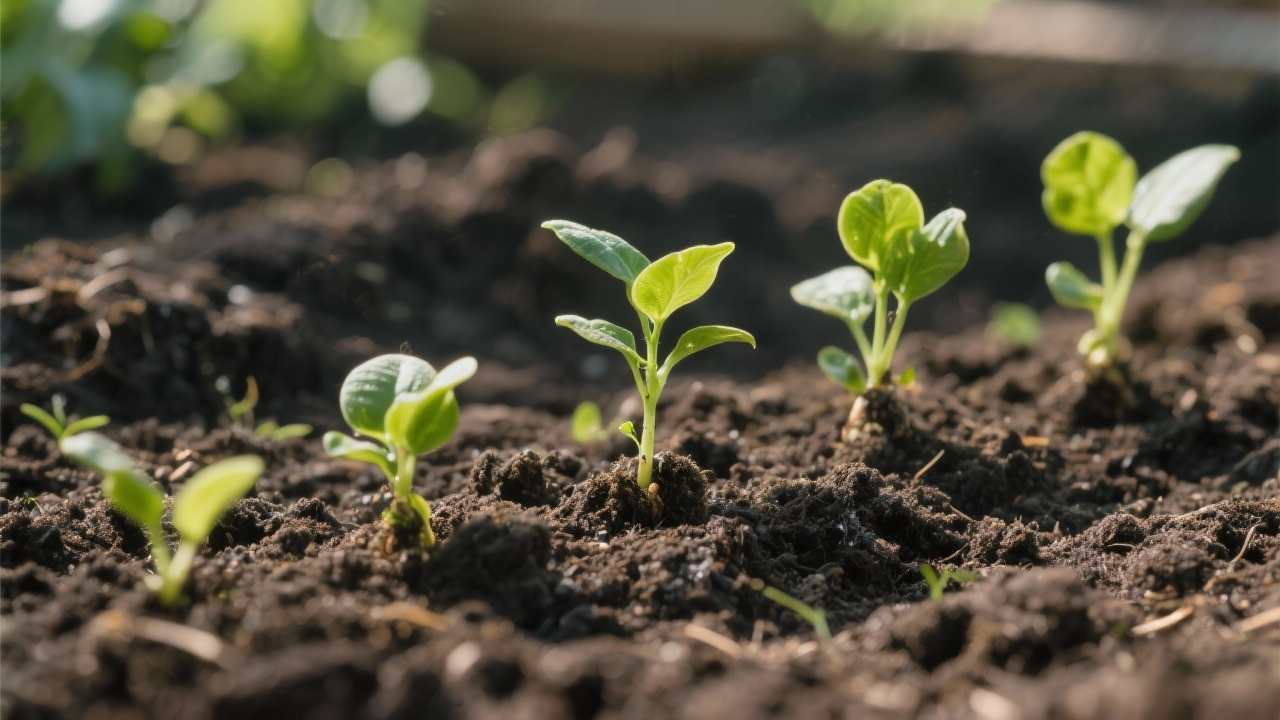
Plant seedling
Exposition : Fort
Eau : Moyen
Hauteur : 30 cm
Espacement : 25 cm

Cultivation Calendar

JFMA MJJA SOND
Harvest
Difficulty

Difficulty

Débutant

Yield

Yield

1.0 kg per plant

Life Cycle

Life Cycle

Vivace

Location

Growing Location

Balcon, Jardin, Rebord de fenêtre

Description

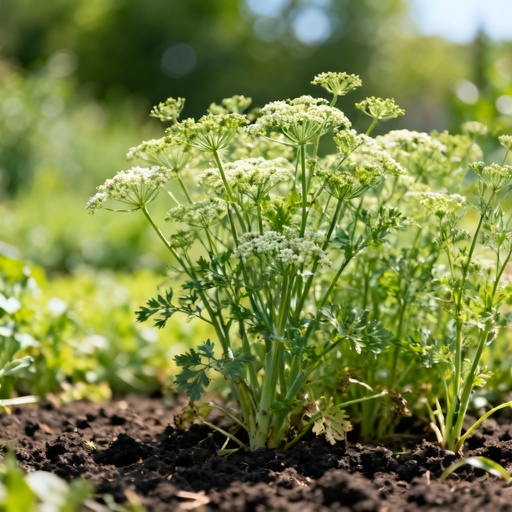
Chives is a hardy perennial forming dense clumps of slender, hollow dark green leaves with decorative purple flower globes. Perennial harvest, thriving at 10–25°C. Mild onion flavor, endlessly productive.

Growing Tips

Conditions and Preparation for Planting

The ideal time for planting chives is in the spring, once all risk of last frost has passed and the soil temperature has consistently reached at least 10°C. Select a sunny location and prepare the garden bed by thoroughly removing all weeds and loosening the soil to a depth of about 20 cm to improve aeration. Incorporate a generous amount of mature compost or enriched garden soil to enhance fertility and drainage. Before transplanting, it's crucial to acclimate your young plants through a process called hardening off. For 7 to 10 days, gradually expose them to outdoor conditions, increasing the duration each day. This simple step significantly reduces transplant shock. Water the seedlings in their pots an hour before planting to ensure the root ball is well-hydrated and easy to handle.

Planting and Installing the Seedling

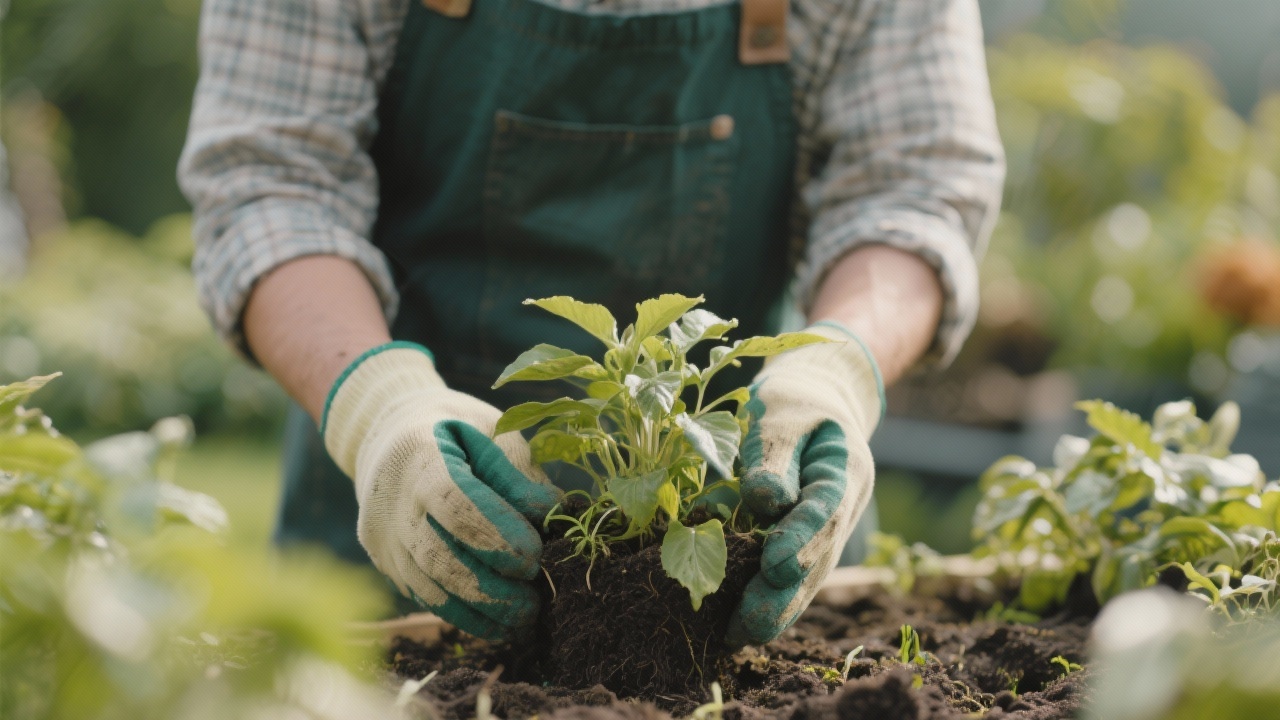
When you are ready to plant, gently remove each chive clump from its container. The correct planting depth is critical; position the plant so that its collar, the point where the stems meet the roots, is level with the surrounding soil surface. Place the seedling in its hole and backfill with soil, lightly tamping it down to eliminate air pockets and ensure good root-to-soil contact. Provide a thorough watering immediately after planting to settle the soil. Adhere to a final spacing of approximately 20 to 30 cm between plants and between rows to allow for future growth. To complete the installation, apply a layer of organic mulch, such as straw or fine wood chips, around the base of the plants to conserve soil moisture and suppress competing weeds.

Key Points

  • Temperature : Optimal 15-20°C
  • Humidity : Moderate
  • Light : Full sun
  • Transplanting : 4-6 blades/leaves

Preparing Your Chives for Optimal Planting

For a thriving chive patch in your vegetable gardening endeavors, target the ideal planting period in early spring, after the last danger of severe frost has passed. Ensure both air and soil temperatures are consistently above 5°C and 10°C respectively, for vigorous **successful regrowth**. Begin by clearing the planting area thoroughly, removing all weeds. Loosen the soil to a depth of 20-30 cm, then amend generously with well-rotted **mature compost** or a balanced organic soil amendment to create a rich, well-draining **substrate**. If transplanting young chive plants from a nursery, gradually acclimatize them over 5-7 days by exposing them to outdoor conditions, preventing transplant shock. Before planting, gently inspect the root ball; if roots are circling or overly dense, delicately tease them apart or perform a light root pruning to encourage outward growth and better soil contact.

Precise Planting and Initial Setup for Chives

When **planting** chive seedlings or clumps, ensure they are set at the same depth as their original container; the plant's collar, where the stems meet the root system, should be precisely at soil level to promote **successful regrowth**. Gently firm the surrounding soil to eliminate air pockets and establish good root-to-soil contact. Immediately after placement, form a small basin around each plant and **water** thoroughly to settle the soil and aid initial establishment. For optimal development and airflow, space individual chive clumps or seedlings approximately **15-20 cm apart** within the row, with rows separated by about **30 cm**. This spacing supports sustainable **organic farming** practices by reducing competition. Finally, apply a 2-5 cm layer of organic mulch, such as straw or shredded leaves, around the newly planted chives. This vital step helps conserve soil moisture, suppresses weed competition, and regulates soil temperature, ensuring a robust start without the need for staking or specific protective covers under normal conditions.

Key Points

  • Depth: Collar level with surrounding soil.
  • Espacement: 15-20 cm between plants, 25-30 cm rows.
  • Watering: Water thoroughly at planting; maintain consistent moisture.
  • Mulching/ Protection: Light organic mulch; no special protection needed.

Managing plant growth and vigor

Chives thrive with consistent **watering**, especially during dry periods, requiring approximately 1-2 liters per square meter every few days to prevent water stress and ensure evenly moist soil. For **sustainable fertilization**, a moderate application of well-rotted compost or a balanced organic fertilizer in early spring suffices, with a light mid-season top-dressing supporting continuous vigor. Essential **cultivation operations** include regular **hoeing** and **weeding** to eliminate competition. Maintain a consistent **mulching** layer around plants to suppress weeds, conserve moisture, and moderate soil temperature. Periodic **pruning** by cutting leaves stimulates fresh growth and prevents flowering, thereby maintaining plant vigor.

Health protection and environmental balance

Proactive **health monitoring** is vital; regularly inspect foliage for warning signs of **plant diseases** like rust or **garden pests** such as aphids. Employing **ecological gardening** principles and **integrated protection**, prioritize prevention through good air circulation and appropriate **watering** to manage humidity. Should intervention thresholds be met, opt for gentle solutions. Chives benefit from proper attention to **climatic conditions**; provide partial shade during intense heat. Implement **crop rotation** within your **vegetable garden maintenance** plan and consider **intercropping** to enhance overall **environmental balance** and deter pests, fostering a robust growing environment.

Key Points

  • Type of soil : Any well-drained garden soil, pH 6.0-7.0, tolerates poor soil
  • Care : Cut regularly to 5 cm above soil, divide clumps every 3 years, remove flowers
  • Watering : Moderate watering 1x/week, tolerates some drought once established
  • Prevention : Good air circulation, divide overcrowded clumps, minimal pest issues

Determining the Optimal Harvest Window

The harvest of chives begins when the leaves reach a suitable maturity, typically presenting as tender, green stalks between 15 and 20 cm tall. This stage is usually reached several weeks after the plant becomes well-established in the vegetable garden. To maximize the aromatic quality of these prized herbs, a highlight among fresh fruit and vegetables, it is recommended to proceed in the morning after the dew has evaporated but before the heat of the day. A key aspect of good agricultural practices is regular cutting, which stimulates new growth. A partial harvest can be performed every 3 to 4 weeks during the growing season, ensuring a consistent and reasonable supply without depleting the plant's reserves.

Post-Harvest Handling and Preservation

Using clean and sharp cutting tools, such as scissors or a knife, is essential for a precise cut about 5 cm from the base, which protects the bulb and encourages regeneration. Careful handling is crucial to prevent bruising and limit the process of oxidation that alters flavour. Immediately after gathering, a quick sort to remove damaged stems aligns with the quality standards of organic farming. For optimal preservation, apply the principle of pre-cooling by chilling the chives quickly. Proper storage requires a high humidity environment, with a relative hygrometry above 95%, achieved by placing them in a perforated bag inside a refrigerator. At a constant temperature near 0-2°C, their freshness can be maintained for over a week.

Key Points

  • Period : Every 3-4 weeks during growing season.
  • Stage : Stalks 15-20 cm tall, tender, green.
  • Method : Cut 5 cm from base with sharp tools.
  • Storage : Refrigerate 0-2°C, >95% HR, over 1 week.

Chives: Delicate Flavor and Culinary Versatility

Chives, a quintessential **garden vegetable**, offer a distinctive yet subtle onion and garlic essence, making them indispensable in refined **home cooking**. The slender, hollow leaves are the primary edible part, renowned for their vibrant green hue and gently pungent, grassy notes that provide a refreshing, crisp counterpoint to many dishes. Primarily used in raw **culinary preparation**, chives are best snipped or finely chopped and added just before serving to preserve their delicate **fresh flavor** and bright texture. They excel in a myriad of **vegetable recipes**, from enhancing creamy sauces, omelets, and potato salads to garnishing soups and grilled fish. Their versatility allows for delightful **flavor combinations** with dill, parsley, tarragon, lemon, and butter. Gentle **cooking** is key; prolonged heat rapidly diminishes their characteristic taste, making them perfect as a vibrant finishing touch.

Nutritional Benefits and Optimal Storage for Chives

As a dynamic enhancer in **home cooking**, chives marry beautifully with rich ingredients, imparting their subtle zest when combined with fine olive oils, fresh crème fraîche, unsalted butter, or tangy lemon juice and various vinegars. Beyond their delightful taste, this cherished **garden vegetable** contributes notable **nutritional value**, providing essential vitamins like C and K, along with valuable dietary fiber and antioxidants, supporting a wholesome diet. Chives are safe for consumption in typical culinary amounts, presenting no common precautions. To maintain their peak **fresh flavor** and texture, short-term **storage** is best achieved by refrigerating washed and dried chives, loosely wrapped in a damp paper towel within a sealed bag, for up to a week. For longer preservation, freezing is highly effective: simply chop and store in airtight containers or ice cube trays with a little water or oil, allowing for convenient access to this essential ingredient for future **vegetable recipes** and **culinary preparation**.

Key Points

  • Flavor Profile : Subtle onion-garlic, grassy, crisp, delicate.
  • Classic Uses : Raw, snipped, added just before serving.
  • Pairings : Lemon, butter, crème fraîche, dill, tarragon.
  • Storage : Refrigerate damp towel (1 week); freeze chopped.

Smart Companions

Swiss Chard Fireworks
Fixer

Swiss Chard Fireworks

Beta vulgaris subsp. Cicla

0.49 €
PESM: 2.50 €
Dill
Ally

Dill

Anethum graveolens

0.49 €
PESM: 2.40 €
Mesclun Mix
Protector

Mesclun Mix

Lactuca sativa

0.49 €
PESM: 3.50 €
Genovese Basil
Guardian

Genovese Basil

Ocimum basilicum

0.49 €
PESM: 8.00 €