Genovese Basil
Ocimum basilicum
The essential ingredient for perfect pesto.Dispo. en Juillet
- Contains vitamins A, K, manganese and essential aromatic oils
- Supports healthy digestion and helps reduce occasional nausea effectively
- Eugenol provides powerful anti-inflammatory and natural pain-relieving properties

certified organic

Pays-Bas

Plant profile

Growing calendar
Growing tips
Conditions and preparation for planting
The successful establishment of Genovese basil depends on warm conditions. Wait until all risk of frost has definitively passed, with daytime air temperatures consistently above 15°C and, crucially, a soil temperature reaching at least 18°C. Prepare your plot by carefully weeding and then loosening the soil to a fine tilth. Incorporate a generous amount of mature compost or a quality enriched soil to ensure good drainage and provide initial nutrients for a strong start. For a seamless transition to the garden, it is essential to harden off your young plants. Over 7 to 10 days, gradually expose them to outdoor conditions to prevent transplant shock. Finally, water the seedlings in their pots about an hour before planting to hydrate the root ball and facilitate its removal.
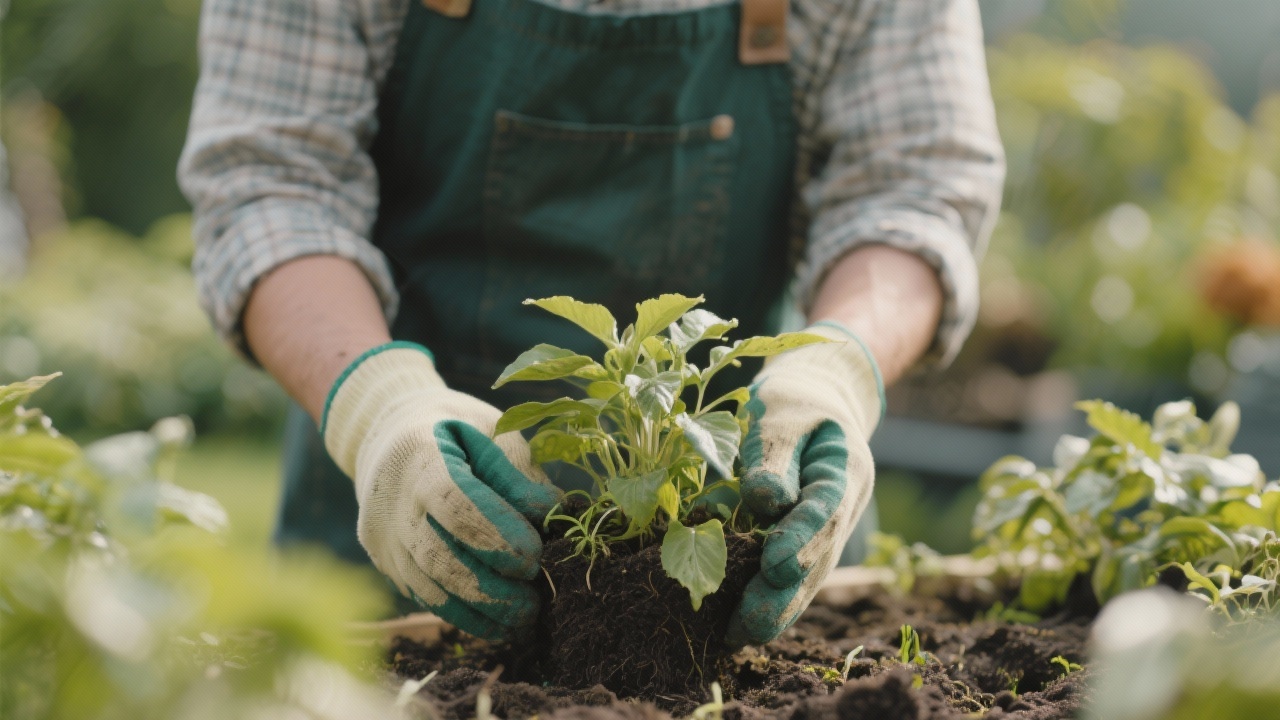
**Planting and installing the seedling**When setting out your young plants, dig a hole just large enough to accommodate the root ball. Ensure the planting depth is correct: the top of the root ball, known as the collar, should be perfectly level with the surrounding garden soil. Backfill the hole, then gently firm the earth around the base of the plant to ensure good root-to-soil contact. Immediately provide a thorough watering to settle the soil and reduce transplant stress. For optimal development and air circulation, adopt a final spacing of 30 cm between plants and 40 cm between rows. To complete the installation, apply a layer of organic mulch, such as straw or fine wood chips, to conserve moisture and suppress competing weeds from the outset.
Key takeaway
- Temperature : Soil >18°C; Air >15°C
- Humidity : Moderate humidity
- Light : Full sun, 6-8 hours daily
- Transplanting : 2-3 sets of true leaves
Conditions and Preparation for Successful Basil Planting
For successful regrowth, planting Genovese Basil seedlings requires consistent air and soil temperatures of at least 15°C, well after any frost danger has passed. Prior to planting, prepare the soil by thorough weeding and loosening to 20-25 cm. Incorporate mature compost or organic amendments for enriched soil, vital for an organic farming approach in your vegetable gardening. Acclimatize young plants ("hardening off") over 5-7 days to prevent transplant shock. Before settling, briefly soak dry root balls or gently tease circling roots; hydration promotes immediate establishment.
Planting and Installation for Robust Basil Development
When planting, position each seedling so its collar is level with the soil, or slightly deeper up to the first leaves if leggy, encouraging new root formation. Backfill with prepared soil, lightly compact soil to remove air pockets. Immediately follow with a thorough watering, creating a basin around each plant for deep penetration and soil settling. Maintain a final spacing of 25-30 cm between plants and 30-45 cm between rows for optimal air circulation and light, crucial for vegetable gardening productivity. An immediate application of organic mulch will conserve soil moisture and suppress weed competition, contributing to robust and successful regrowth under organic farming practices. Staking is generally not required for Genovese Basil.
Key takeaway
- Depth: Soil collar level, or deeper to first leaves.
- Espacement: 25-30 cm between plants.
- Watering: Thoroughly water immediately; create basin.
- Mulching/ Protection: Apply organic mulch immediately.
Managing Plant Growth and Vigor
Consistent watering is paramount for vibrant Genovese Basil, ensuring the soil remains evenly moist but never waterlogged. Prevent water stress by providing adequate moisture based on soil conditions and ambient temperature, preferably in the morning. For sustainable fertilization, incorporate `organic inputs` like well-rotted compost or a balanced `organic fertilizer` every 3-4 weeks during active growth, focusing on modest applications to encourage leafy development without overfeeding. Regular `vegetable garden maintenance` includes light `hoeing` to aerate the soil and suppress weeds, alongside maintaining an adequate layer of `mulching` to conserve moisture and stabilize soil temperature. Crucially, practice `pinching` by removing the central growing tip once the plant has a few sets of true leaves, and continuously remove developing flower buds (bolting) to promote bushier growth and extend the productive lifespan of your basil.
Health Protection and Environmental Balance
Diligent `health monitoring` is key to `plant maintenance`. Regularly inspect your basil for `warning signs` of `plant diseases` like downy mildew or `garden pests` such as aphids and spider mites. `Integrated protection` emphasizes `prevention` through good airflow and hygiene. Address issues early with gentle `ecological gardening` solutions, like manual removal or insecticidal soaps, rather than waiting for significant infestation. Manage `climatic conditions` by protecting basil from cold and providing partial `shade` during intense midday heat to prevent scorching. For long-term garden vitality, `crop rotation` is crucial; avoid planting basil in the same spot annually to break pest and disease cycles. Consider `intercropping` with compatible plants to naturally deter pests and foster a balanced ecosystem within your `vegetable garden maintenance` strategy.
Key takeaway
- Type of soil : Light, well-drained, humus-rich soil, pH 6.0-7.0, warm
- Care : Pinch tips regularly for bushier growth, remove flower buds, organic feed every 4-6 weeks
- Watering : Consistent moisture 2-3x/week, water at base not overhead, avoid waterlogging
- Prevention : Good airflow, avoid cold drafts, companion with tomatoes, remove affected leaves
Harvest time and conditions
The ideal harvest of Genovese basil begins when the plant reaches a height of 15-20 cm and displays several sets of well-formed leaves, a clear indicator of its maturity. This stage is typically reached a few weeks after establishment in the vegetable garden. To capture the highest concentration of essential oils, which define its aroma, it is crucial to pick the leaves in the morning, after the dew has evaporated but before the midday heat. This practice ensures the foliage is turgid and less prone to wilting. Adhering to these good agricultural practices, a regular harvest every one to two weeks stimulates bushier growth, allowing for a consistent and reasonable yield throughout the growing season, a key goal in both conventional and organic farming.
Methods, handling, and storage
For a successful harvest, use sharp, sanitized cutting tools such as scissors or pruning shears, making a clean cut just above a pair of leaves to encourage new shoots. Handle the cuttings gently by their stems to prevent bruising the delicate leaves, which can cause rapid oxidation and a loss of quality. After picking, perform a quick sort to remove any damaged foliage. The key to the preservation of these fresh fruit and vegetables is proper storage. Basil is highly sensitive to cold; therefore, avoid refrigeration. The optimal method is to place the stems in a glass of water at a cool room temperature (around 12-15°C) and maintain high humidity (hygrometry), for instance by loosely covering the leaves with a plastic bag. This technique can preserve freshness for up to a week.
Key takeaway
- Period : A few weeks after establishment; ongoing.
- Stage : 15-20 cm tall; several well-formed leaves.
- Method : Cut above leaf pair with sharp tool.
- Storage : Stems in water, 12-15°C, humid; 1 week.
Genovese Basil: A Culinary Cornerstone for Fresh Flavors
The vibrant, tender leaves of Genovese basil are a jewel among garden vegetables, celebrated for their unparalleled fresh flavor. This aromatic herb delivers a distinctly sweet, peppery profile with delicate aniseed undertones and a remarkably tender texture, making it indispensable in home cooking. Best enjoyed raw, its fragrant essence is a key component in classic culinary preparation such as authentic pesto, where it combines harmoniously with pine nuts, garlic, olive oil, and Parmesan. It is also sublime simply torn over ripe tomatoes and fresh mozzarella for a Caprese salad, or scattered generously over pasta dishes, pizzas, and grilled fish just before serving. Prolonged cooking should be avoided, as high heat rapidly diminishes its delicate aroma; instead, incorporate it at the very end to preserve its bright, herbaceous notes in your favorite vegetable recipes and flavor combinations.
Nutritional Value, Seasoning, and Optimal Storage
Beyond its exquisite taste, Genovese basil contributes significantly to nutritional value in your meals. It is a good source of vitamins K and A, alongside various antioxidants and minerals, enhancing a healthy diet. For optimal seasoning, fresh basil pairs beautifully with quality extra virgin olive oil, a splash of balsamic vinegar or lemon juice, and a pinch of sea salt. Its versatility extends to enriching dressings, marinades, and infused oils. To maintain its pristine condition for short-term storage, fresh leaves should be kept in the refrigerator, ideally with stems in water or wrapped in a damp paper towel within an airtight container. For longer preservation, puréeing the leaves with olive oil and freezing in ice cube trays is an excellent method, ensuring a supply of vibrant basil for future culinary preparation. While drying is possible, the distinct flavor of Genovese basil is best captured through freezing or quick consumption from the garden.
Key takeaway
- Flavor Profile : Aromatic, sweet, peppery with warm clove and anise notes
- Classic Uses : Pesto, caprese salad, fresh pasta, pizza, bruschetta, infused oils
- Pairings : Tomatoes, mozzarella, garlic, olive oil, pine nuts, lemon, parmesan
- Storage : Room temperature stems in water 1 week, freeze in olive oil cubes
Companion plants