Common Sorrel
Rumex patientia
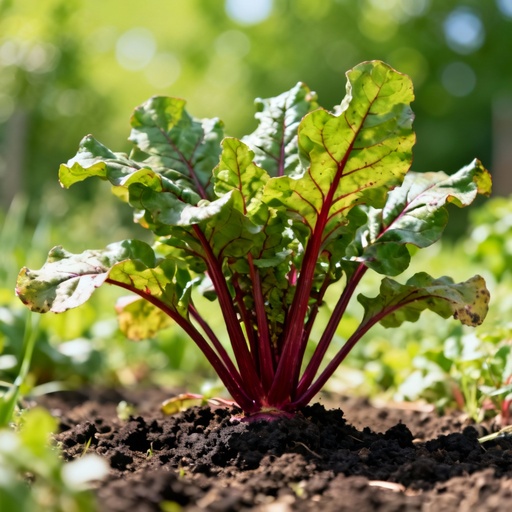
A striking perennial with vivid red-veined green leaves and a tart lemony flavour.- Provides vitamin C, iron, and magnesium alongside beneficial antioxidant compounds
- Oxalic acid compounds may support cancer prevention in moderate dietary quantities
- Gentle detoxifying properties support liver function and digestive health balance

certified organic

Pays-Bas


Plant profile

Growing calendar

Growing tips
Conditions and preparation for planting
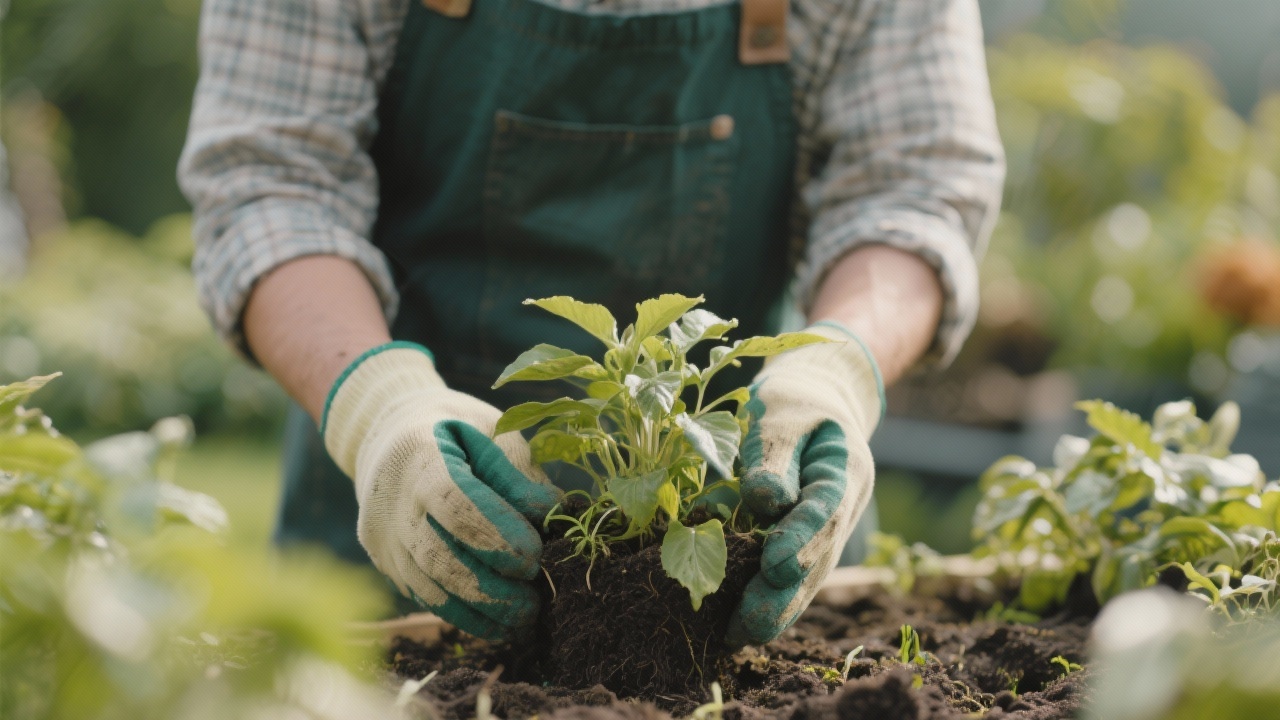
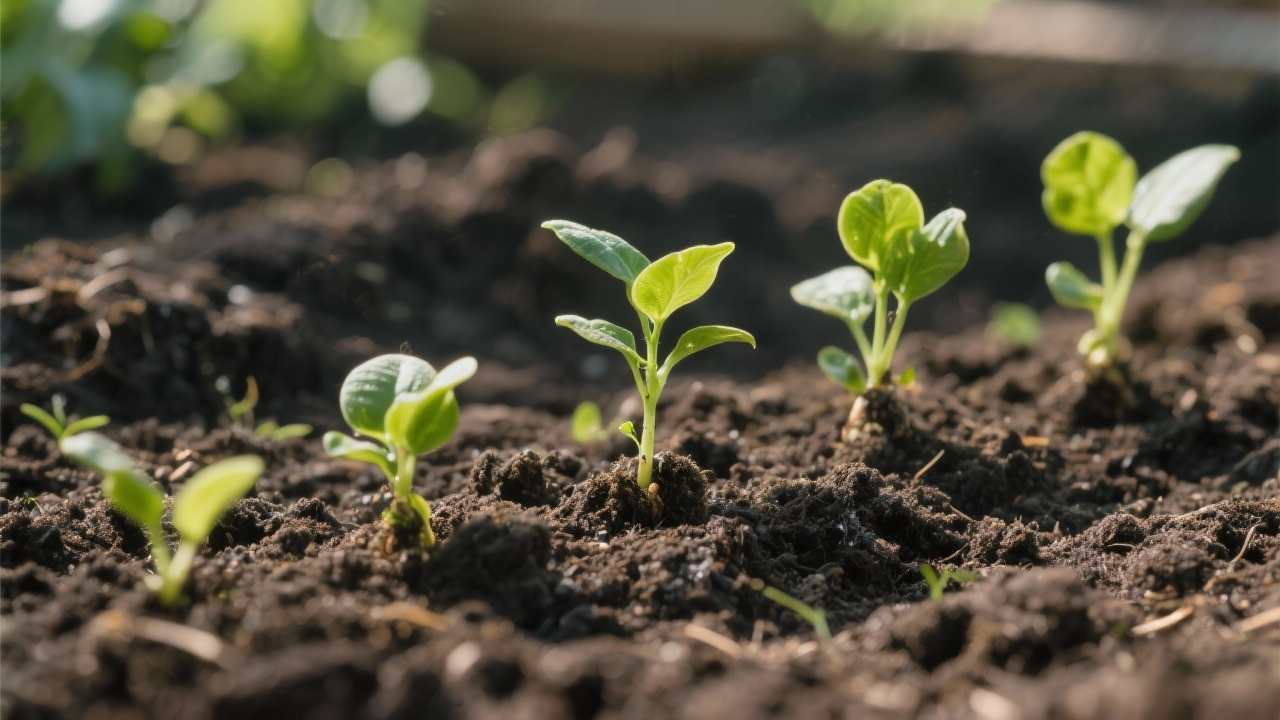
Bloody Sorrel (Rumex sanguineus) seeds can be sown indoors in early spring or late summer for establishment before winter dormancy. Tuck seeds just below the surface of moist seed-starting compost, pressing gently to maintain firm seed-to-soil contact without burying them deeply—the tiny seeds need some light to germinate effectively. Kept warm at 15 to 20°C and consistently moist in bright indirect light, seeds typically germinate within 7 to 14 days. Prepare a seed-starting medium of fine, well-draining compost, moistened before sowing, in trays or individual modules. Alternatively, sow seeds directly into the garden in spring once soil temperatures have warmed to at least 10°C, scattering thinly on the surface of well-prepared, weed-free soil in a partially shaded location with fertile, moisture-retentive ground. As a hardy perennial in zones 4-8, Bloody Sorrel can also be propagated very easily by dividing established plants in early spring, providing an instant start with mature root systems.Sowing Technique and Early Care
Prick out indoor-sown seedlings into individual deep 8 cm pots once they have developed their first set of true leaves—the characteristic red veining is visible even at this tiny stage. Grow on at room temperature in bright light, watering frequently to maintain consistently moist compost without waterlogging. For direct outdoor sowings, keep the seedbed moist throughout germination and thin seedlings to 30 to 45 cm apart once they are large enough to handle, as mature plants develop broad, spreading rosettes. Bloody Sorrel establishes quickly from both seed and division, developing a deep taproot that makes it resilient and long-lived once established. Young plants benefit from a light mulch of organic matter to conserve moisture and suppress early weed competition as they develop their root systems during the first growing season.Key takeaway
- Temperature : 15-20°C for germination, hardy to zone 4 once established.
- Humidity : Keep consistently moist, tolerates wet conditions once established.
- Light : Partial shade to full sun, minimum 6 hours daily.
- Transplanting : When true leaves develop with visible red veining, into deep pots first.
Conditions and Preparation for Planting Bloody Sorrel
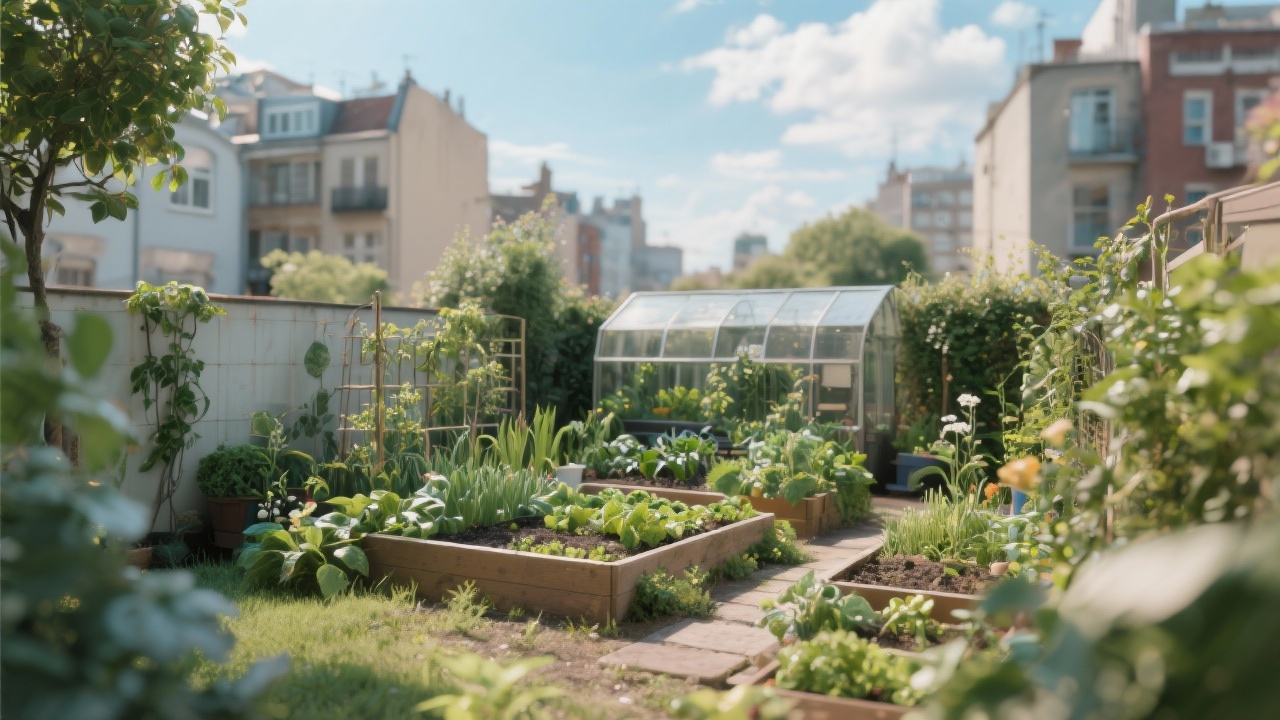
Bloody Sorrel can be planted in spring or autumn in a site receiving full sun to partial shade—it actually performs best with some afternoon shade protection, particularly in warmer climates where intense sun can scorch the ornamental foliage. This adaptable perennial thrives in fertile, moisture-retentive soil with a pH of 5.5 to 6.8, and remarkably tolerates boggy, waterlogged conditions that would kill most other herbs—it can even be grown as a marginal plant around ponds, in bog gardens, or along stream edges. Prepare your planting area by loosening the soil to 20 cm deep and incorporating generous amounts of mature compost or organic matter to improve moisture retention and fertility. Remove all perennial weeds thoroughly before planting, as Bloody Sorrel's spreading rosette habit makes weeding around established plants difficult. For division of existing plants, lift the root clump in early spring and separate into sections, each with several growing points and a portion of healthy root system.
Planting and Installing the Seedling
Plant Bloody Sorrel seedlings or divisions at the same depth they previously occupied, spacing plants 30 to 45 cm apart to accommodate their mature spreading rosette habit which reaches approximately 45 cm in both height and width. After positioning each plant, firm the soil gently around the root zone and water thoroughly to settle the soil and encourage immediate root establishment. Apply a 3 to 4 cm layer of organic mulch—such as bark chips, shredded leaves, or well-rotted compost—around each plant to retain the consistently moist soil conditions this species prefers, suppress weed competition, and moderate soil temperature. Bloody Sorrel also performs well in large containers of at least 10 litres with good moisture retention, positioned in partial shade on patios or balconies where its ornamental red-veined foliage can be displayed prominently. As a hardy perennial, properly planted Bloody Sorrel will return year after year, requiring minimal attention once established.
Key takeaway
- Depth : Just below soil surface for seeds; same depth as container for transplants.
- Spacing :30-45 cm between plants to accommodate spreading rosette.
- Watering : Water thoroughly after planting, maintain consistently moist to wet soil.
- Mulching / Protection : 3-4 cm organic mulch for moisture retention, tolerates boggy soil.
Managing Plant Growth and Vigor
Bloody Sorrel is a remarkably low-maintenance perennial once established, requiring little more than consistent moisture and occasional feeding. Water regularly to maintain consistently moist soil—this species naturally grows in ditches, clearings, and moist woodland edges, and performs best when the soil never dries out completely. Unlike most herbs, Bloody Sorrel actively thrives in wet conditions and can tolerate temporary waterlogging without issue. Feed with a single application of balanced organic fertilizer or well-rotted compost in spring to support vigorous new leaf production. The most critical maintenance task is the religious removal of all flowering stalks as soon as they appear in late spring to early summer—the tall, non-descript flower spikes are unattractive, divert energy from ornamental leaf production, and if left to mature will result in aggressive self-seeding that can become invasive. Cut flowering stems back to the base promptly and the plant will respond with a flush of fresh, beautifully veined new foliage.
Health Protection and Environmental Balance
Bloody Sorrel is generally very resistant to pests and diseases, with few common problems beyond occasional slug and snail damage to young leaves in damp conditions—control with beer traps, copper barriers, or evening patrols. Rust and powdery mildew may occasionally appear on stressed plants; remove affected foliage and improve air circulation if issues develop. The plant's vigorous self-seeding habit is the primary management challenge—remove flower stalks before seeds mature to prevent unwanted spread throughout the garden. In cold winter regions (zones 4-6), the foliage will die back to the ground after hard frosts but the deep taproot survives and produces vigorous new growth in early spring, making it one of the very first edible greens available each season. Clean up dead foliage in early spring before new leaves emerge. Divide large clumps every 3 to 4 years to maintain plant vigor and prevent overcrowding.
Key takeaway
- Type of soil : Fertile, moist to wet, pH 5.5-6.8, tolerates clay and boggy conditions
- Care : Remove all flower stalks promptly, spring compost application, divide every 3-4 years
- Watering : Keep consistently moist to wet, tolerates waterlogging, minimal drought tolerance
- Prevention : Divide overcrowded clumps, remove slug-damaged leaves, good ground cover suppresses weeds
Harvest Time and Optimal Conditions
Bloody Sorrel leaves can be harvested on a cut-and-come-again basis once they reach approximately 15 cm in length, typically from very early spring through late autumn, and even during mild winter periods in sheltered locations or zones 7+. As a hardy perennial, it is often one of the very first edible greens available in the garden each spring—emerging with fresh, vividly red-veined leaves when most other plants are still dormant. Harvest the young, tender outer leaves for the best flavour and texture; older mature leaves become progressively tougher and more bitter as they develop higher concentrations of oxalic acid. The youngest spring growth offers the most delicate flavour and the most striking ornamental appearance with intensely coloured veining. If the plant is allowed to flower and is then cut back hard, it will produce a second flush of tender young leaves ideal for late-season salads.
Harvesting Methods, Handling, and Storage Protocol
Harvest Bloody Sorrel by snipping individual outer leaves at the base of the stem using clean scissors, working from the outside of the rosette inward and always leaving the inner developing leaves to continue growing. This cut-and-come-again method allows for continuous harvesting throughout the growing season from a single plant. Alternatively, cut the entire rosette back to approximately 5 cm above ground level for a bulk harvest—the plant will regenerate completely within 2 to 3 weeks. Handle the delicate leaves gently to avoid bruising, which causes rapid wilting and darkening. For best quality, use Bloody Sorrel leaves immediately after harvest. For short-term storage, wrap loosely in slightly damp paper towels and refrigerate in a sealed container for up to 5 to 7 days, though the leaves lose their crispness relatively quickly. Bloody Sorrel is not well-suited to freezing or drying, as both methods destroy the ornamental appeal and delicate texture that make it valuable.
Key takeaway
- Period : Early spring through late autumn, perennial cut-and-come-again crop
- Stage : Young tender leaves approximately 15 cm long, vivid red veining
- Method : Snip outer leaves at base, or cut entire rosette back to 5 cm for bulk harvest
- Storage : Best used fresh immediately, refrigerate in damp towel up to 5-7 days
Fresh Flavour and Culinary Versatility
Bloody Sorrel contributes a distinctively tart, lemony flavour with a slight mineral edge, created by its characteristic oxalic acid content—the same compound responsible for the tangy taste of spinach and rhubarb. The young, tender leaves with their striking deep burgundy-red veined pattern make a visually dramatic addition to fresh salads, where their sharp citrus taste and ornamental appearance provide both flavour contrast and aesthetic interest that elevates any mixed leaf bowl. The youngest spring leaves offer the mildest, most pleasant flavour ideal for raw consumption. Older leaves develop increasing bitterness but can be gently sautéed like spinach over low heat for just a few minutes, wilting softly while the cooking process reduces the oxalic acid content and mellows the sharp taste. Sautéed sorrel pairs particularly well with fish, eggs, and cream-based sauces, adding a bright acidic counterpoint that cuts through richness. The leaves can also be incorporated into soups where their acidity adds depth and complexity.
Seasoning, Nutrition, and Optimal Storage
Bloody Sorrel pairs naturally with cream, butter, fresh cheeses, smoked fish, eggs, poultry, and other mild-flavoured proteins where its tart acidity can shine without being overwhelmed. It complements other salad greens beautifully, adding both visual drama and flavour complexity to mixed leaf preparations. Nutritionally, Bloody Sorrel provides vitamin C, iron, and magnesium, though its oxalic acid content means it should be consumed in moderation—particularly by individuals prone to kidney stones or with calcium absorption concerns. Cooking significantly reduces the oxalic acid concentration. The leaves are best consumed as fresh as possible for maximum flavour and visual impact—the vivid red veining that makes this plant so ornamentally striking begins to fade after harvest. Store briefly refrigerated in damp paper towels for up to 5 to 7 days, but plan to use Bloody Sorrel within hours of picking for the most impressive presentation and freshest flavour.
Key takeaway
- Flavor Profile : Tart lemony with mineral edge, sharp citrus acidity, spinach-like
- Classic Uses : Fresh salads, sautéed like spinach, sorrel soup, garnish for fish and eggs
- Pairings : Cream, butter, fresh cheese, smoked fish, eggs, poultry, mixed salad greens
- Storage : Best used fresh within hours, refrigerate in damp towel max 5-7 days

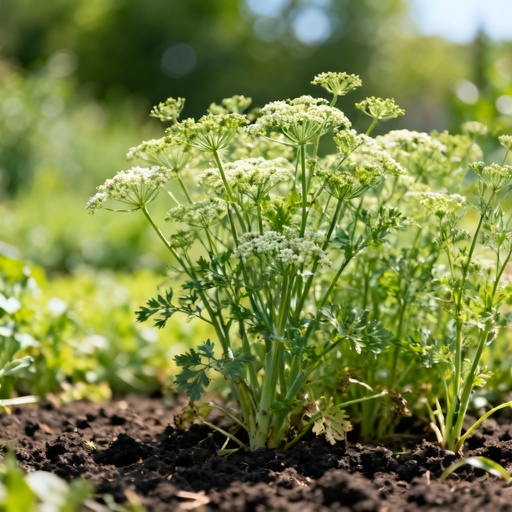
Companion plants