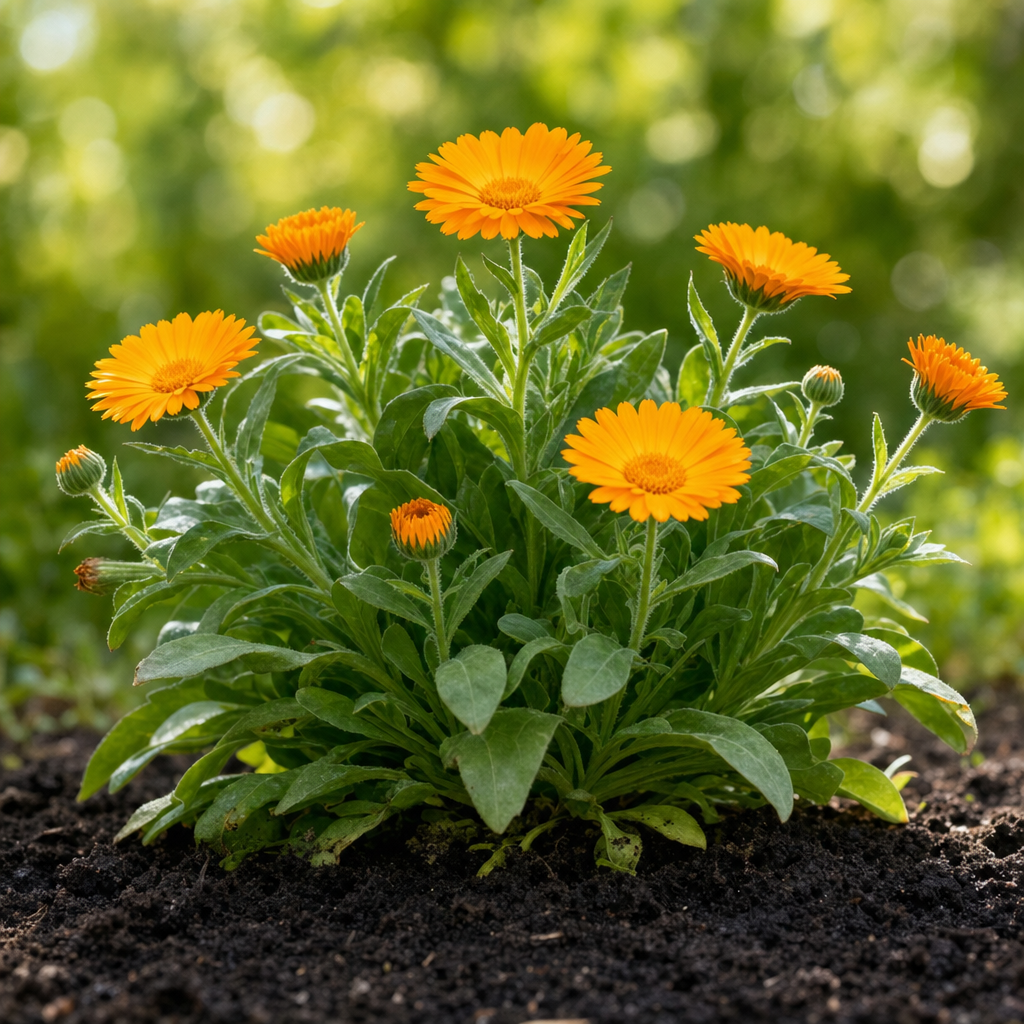
Marigold
Calendula officinalis
Edible petals and long flowering.- Promotes biodiversity and attracts pollinators
- Easy to grow in vegetable gardens and containers
- Decorative and edible addition to the vegetable garden

certified organic

Pays-Bas


Plant profile

Growing calendar

Growing tips
Sowing Marigold
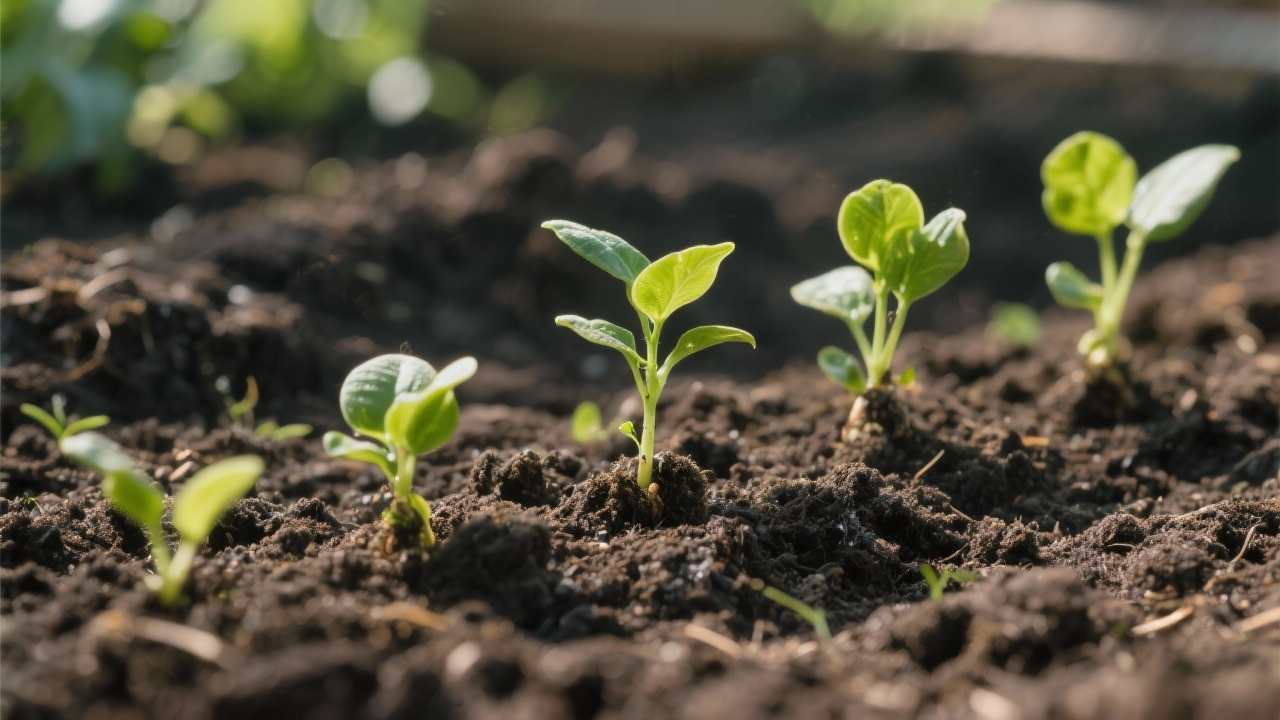
Sow under cover or in place when the soil reaches 12–15 °C. Use a light and draining substrate, maintain regular moisture without excess. Germination occurs in 7 to 14 days. Marigold tolerates ordinary soils and moderate drought well.
Key takeaway
- Temperature: 15–20 °C
- Moisture: Moist substrate, not waterlogged
- Light: Full sun after germination
- Transplanting: 3–4 true leaves
Conditions and preparation for planting marigold
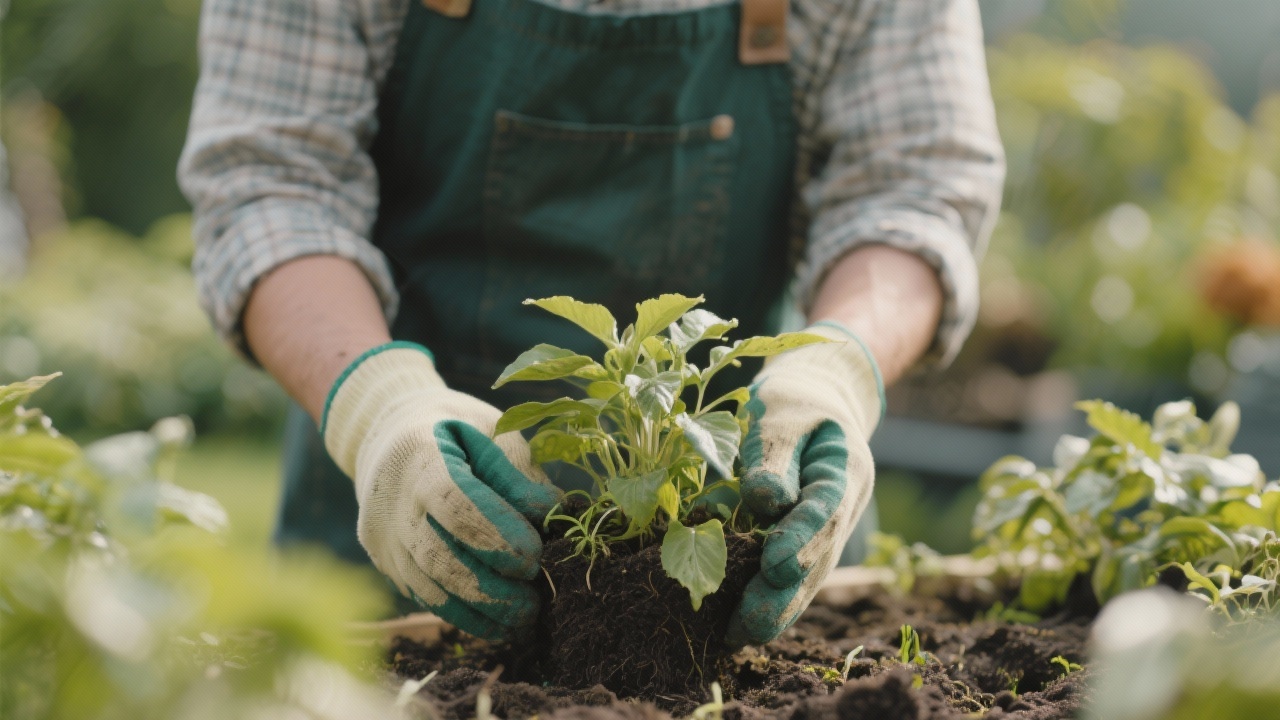
The marigold (Calendula officinalis) is planted in spring or early autumn when the soil reaches 10 to 15 °C. Ordinary, drained, and sunny soil, lightly loosened with compost. Install at the collar.
Key takeaway
- Depth: Collar level with the soil, do not bury
- Spacing: 25–30 cm between plants, 35 cm between rows
- Watering: Basin watering at establishment, then moderate
- Mulching / Protection: Organic mulch 3–5 cm, late frost protection if needed
Growth and vigor management of the plant
The marigold is easy to grow: water during drought, remove faded flowers to stimulate new blooms, light weeding. Harvest the fully opened flowers regularly.
Key takeaway
- Soil type: Ordinary, well-drained, neutral pH 6.0–7.5, rich in humus
- Maintenance: Remove faded flowers, light weeding, regular harvesting
- Watering: Moderate, 1–2×/week, dry surface soil between waterings
- Preventive action: Rotation, mulching, good spacing to limit powdery mildew
Harvest of Marigold
Harvest leaves or flowers according to use, preferably in the morning after dew. Consume quickly or dry at low temperature.
Key takeaway
- Period: Summer to autumn
- Stage: Fully open flowers / tender leaves
- Method: Clean cut with scissors
- Storage: Fresh 3–5 days in the refrigerator
Use of Marigold
Use in cooking, infusion, or edible decoration depending on the species. Optimal fragrance and flavor when consumed fresh.
Key takeaway
- Profile: Aromatic, floral, or slightly peppery
- Uses: Salads, infusions, seasoning
- Pairings: Garden vegetables, fresh herbs
- Storage: Drying or freezing possible

Companion plants