Broccoli Belstar
Brassica oleracea
Thrives in heat and cold for a reliable, season-long harvest.Dispo. en Juillet
- Packed with vitamins C, K, folate, iron and sulforaphane
- Strengthens bones, boosts immunity and supports healthy blood formation
- Sulforaphane is a powerful compound for cancer prevention and detox

France


Plant profile

Growing calendar

Growing tips
Conditions and preparation for planting
The successful establishment of Broccoli Belstar begins with planting at the right time. For a spring crop, transplant your seedlings into the garden after all risk of frost has passed, when air temperatures are consistently between 15°C and 20°C and the soil has warmed to at least 10°C. Prepare the planting bed by thoroughly weeding and loosening the earth to a depth of about 30 cm. Incorporate a generous layer of mature compost or enriched soil to provide the necessary nutrients for vigorous growth. Before moving them to their final location, it's crucial to harden off your young plants over 7 to 10 days by gradually exposing them to outdoor conditions. This acclimatization process significantly reduces transplant shock. An hour before planting, water the seedlings well to ensure the root ball is moist and easy to handle.
Planting and installing the seedling
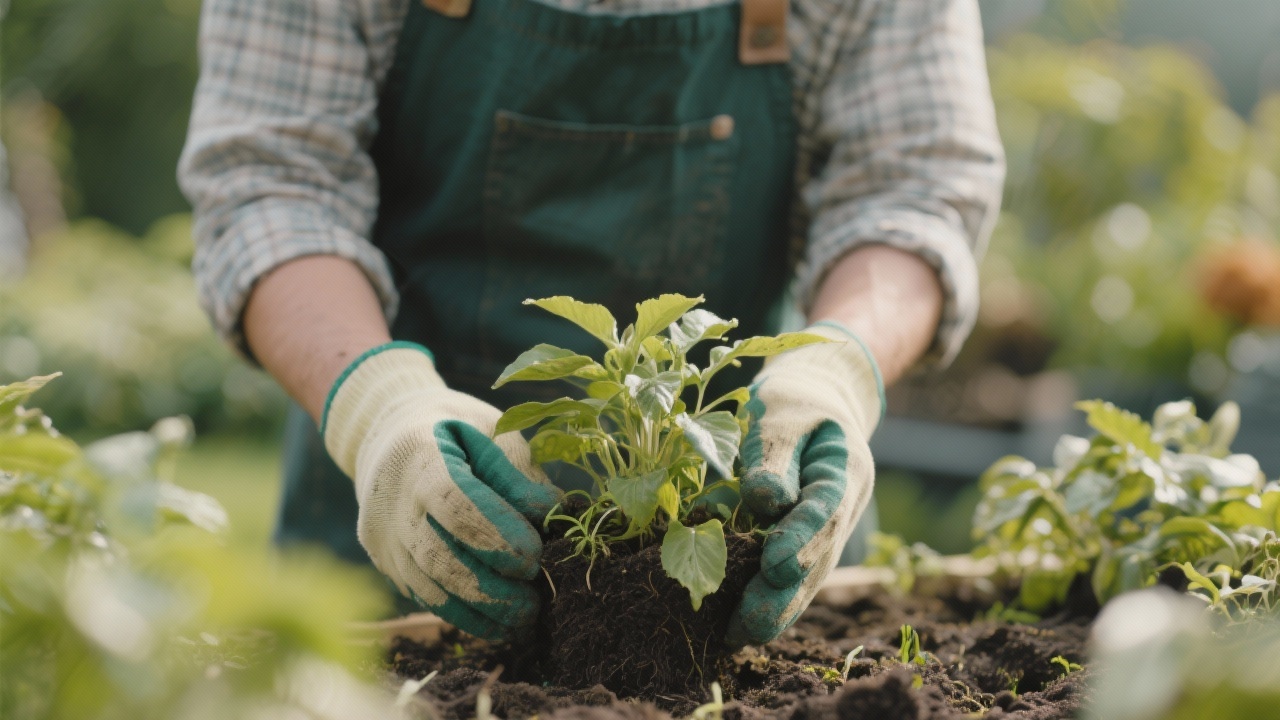
When you are ready to plant, create a hole slightly larger than the seedling's root ball. Position the Broccoli Belstar plant so its collar (the point where the stem meets the roots) is level with the soil surface, or slightly deeper, burying the stem up to the first set of true leaves to encourage a sturdy root system. Gently firm the soil around the base of the plant to ensure good contact with the roots, then provide a deep and immediate watering to settle the soil. Adhere to a final spacing of 45 to 60 cm between each plant and maintain 75 cm between rows to allow for ample air circulation and future growth. To complete the installation, apply a thick layer of organic mulch around each plant. This simple step is key to conserving soil moisture and preventing weed competition from the very start.
Key takeaway
- Temperature : 15–20°C
- Humidity : Moderate
- Light : Full sun (6+ hours daily)
- Transplanting : 3–4 feuilles
Conditions and Preparation for Planting Broccoli Belstar
For optimal **planting** of 'Broccoli Belstar' in your organic vegetable garden, ensure all frost danger has passed. Ideal climatic conditions include consistent air and soil temperatures ranging from **10°C to 25°C**. Begin by thoroughly preparing your garden beds: meticulously remove all weeds and loosen the soil to a depth of at least 30 cm. Incorporate a generous amount of **mature compost** or other nutrient-rich organic matter to foster a thriving environment and support successful regrowth. Before transplanting, allow young broccoli plants a one-week **acclimatization** period outdoors, gradually exposing them to ambient conditions to minimize transplant shock. Inspect the roots; if root-bound, a gentle root pruning or a brief pre-planting soak in water will encourage better establishment.
Planting and Installing Broccoli Belstar Seedlings
When **planting** your Broccoli Belstar seedlings, position each young plant so its collar – the point where the stem meets the roots – is level with the surrounding garden soil. After placement, gently backfill the hole and **lightly compact** the soil around the base to eliminate air pockets, ensuring firm root-to-soil contact for efficient moisture and nutrient uptake. Immediately after **planting**, create a small basin around each seedling and provide a thorough **watering** to settle the soil and initiate successful regrowth. Maintain optimal **spacing** for robust development: aim for **45-60 cm between plants** and **60-75 cm between rows**. To conserve soil moisture and effectively suppress weed competition from the outset, apply a consistent layer of organic **mulch** directly after watering. While staking is typically unnecessary for broccoli, temporary wind protection may benefit young plants in exposed locations.
Key takeaway
- Depth: Collar level with surrounding soil.
- Espacement: 40-50 cm between plants, 60-75 cm rows.
- Watering: Thorough watering immediately; maintain consistent moisture.
- Mulching/ Protection: Organic mulch to retain moisture; fleece if cold.
Managing plant growth and vigor
Effective plant maintenance for Broccoli Belstar hinges on consistent watering, providing approximately 25mm per week to prevent water stress and encourage deep root development. For sustainable fertilization, apply split doses of rich organic inputs, like compost or granular organic fertilizer, during key growth stages, aligning with organic farming principles. Regular hoeing and weeding are crucial for vegetable garden maintenance, minimizing competition. Maintain generous mulching with organic materials to conserve moisture, suppress weeds, and moderate soil temperature. Good air circulation around plants is also vital, though specific pruning is generally unnecessary for this variety.
Health protection and environmental balance
Vigilant health monitoring is critical in ecological gardening. Regularly inspect plants for early warning signs of plant diseases or garden pests. Employ integrated and ecological protection strategies, prioritizing prevention through fostering beneficial insects and using physical barriers. Intervention thresholds guide the use of gentle, organic solutions only when necessary. Manage climatic conditions by providing protection from strong winds and extreme heat. Finally, strict crop rotation is indispensable for Brassicas like Belstar, breaking disease cycles. Incorporating intercropping further enhances biodiversity and limits health problems, contributing to a balanced vegetable garden ecosystem.
Key takeaway
- Type of soil : Well-draining, fertile loam, pH 6.0-7.0
- Care : Hoe, weed regularly; apply organic fertilizer
- Watering : 25mm per week; avoid water stress
- Prevention: Strict crop rotation, beneficial insects, physical barriers
Harvesting Belstar Broccoli: Timing and Conditions
The success of your Broccoli Belstar crop culminates in a timely harvest, a key moment for guaranteeing quality. The main indicator of maturity is reached when the central head is firm, dense, and a uniform deep green, with the individual florets still small and tightly closed. This stage typically occurs 60 to 70 days after transplanting in the vegetable garden. To preserve texture and nutrients, it is essential to carry out the harvest in the cool of the early morning, when the plant is most turgid and the ambient temperature is low. Harvesting during dry weather is also preferable to limit the risks associated with excess humidity on the cut surface. After cutting the main head, this variety often produces secondary side shoots, allowing for a staggered harvest over several weeks, a hallmark of good agricultural practices.
Harvesting Technique and Preservation
A proper harvesting technique is fundamental to ensuring the quality and preservation of your broccoli. Using clean and sharp cutting tools, such as a sanitized knife, make a clean, angled cut on the stem about 15 cm below the head; this stalk serves as a convenient handle and helps retain moisture. Handle the heads gently to avoid bruising the delicate florets, which could accelerate oxidation and spoilage. Following the principles of organic farming, a quick inspection after picking allows for the removal of any debris or unwanted insects. For optimal shelf life, immediate pre-cooling is recommended to rapidly lower the core temperature. Ideal storage conditions for these fresh fruit and vegetables are at a temperature close to 0°C (32°F) with a very high relative hygrometry of over 95%, which can maintain freshness for up to two weeks. During short-distance transport, keep the broccoli cool and protected from direct sunlight.
Key takeaway
- Period : 60-70 days post-transplant; cool, dry mornings.
- Stage : Firm, dense, deep green head; florets tight.
- Method : Angled cut 15 cm below head; handle gently.
- Storage : 0°C, >95% RH; fresh up to two weeks.
Culinary Exploration of Broccoli Belstar
The `Broccoli Belstar` offers a versatile culinary experience, with its tender florets and succulent stems being the primary `edible parts`. Its `flavor profile` is subtly sweet with a mild, earthy undertone, providing a delightful `fresh flavor`. When raw, its `texture` is satisfyingly `crunchy`, ideal for vibrant salads. `Common methods of preparation` include steaming for a tender-crisp bite (3-5 minutes), roasting with olive oil for caramelized edges (15-20 minutes), or quick sautéing in a wok for diverse `home cooking` (5-8 minutes). This `garden vegetable` shines in `flavor combinations` with garlic, lemon zest, toasted nuts, and sharp cheeses, or complements plant-based proteins in countless `vegetable recipes`.Seasoning, Nutrition, and Preservation of Broccoli Belstar
To enhance the `culinary preparation` of `Broccoli Belstar`, `seasoning tips` include a drizzle of quality olive oil, a squeeze of fresh lemon, or a dash of balsamic vinegar, complemented by sea salt, black pepper, and fresh herbs. This `garden vegetable` boasts excellent `nutritional value`, rich in Vitamin C, Vitamin K, fiber, and antioxidants, contributing significantly to a balanced diet. While generally safe, `raw consumption` is best enjoyed in moderation. For `storage`, short-term `preservation methods` involve refrigeration in a crisper for up to a week. For long-term `cooking` flexibility, blanching and `freezing` the florets is highly effective, or explore `lacto-fermentation` to create savory, probiotic-rich additions to `home cooking`.Key takeaway
- Flavor Profile : Mild, earthy, slightly sweet, green; tender florets, firm stems
- Classic Uses : Steamed, roasted, stir-fried, pureed soups, gratins, raw crudités
- Pairings : Garlic, lemon, parmesan, olive oil, chilli flakes, soy sauce, sesame
- Storage : Refrigerate 5-7 days in perforated bag, blanch and freeze for months

Companion plants