White Kohlrabi Delikatess
Brassica oleracea
Exceptionally sweet and tender, a true gourmet treat.- Rich in vitamin C, potassium, fiber and B-complex vitamins
- Supports healthy digestion and promotes efficient nutrient absorption
- Glucosinolates help the body eliminate toxins and reduce cancer risk

certified organic

Pays-Bas

Plant profile

Growing calendar

Growing tips
Conditions and Preparation for Planting
The successful establishment of White Kohlrabi Delikatess seedlings begins with planting at the right time. Aim for a period after the last risk of frost has passed, once the soil temperature consistently remains above 10°C and air temperatures are mild. Prepare the planting area by thoroughly weeding and loosening the soil to a good depth. Incorporate a generous amount of mature compost or enriched garden soil to improve fertility and soil structure, which is crucial for healthy root development. To prevent transplant shock, it is essential to acclimatize your young plants over 7 to 10 days by gradually exposing them to outdoor conditions. Finally, just before placing them in the garden, ensure the root ball is well-hydrated by watering the seedlings in their original containers.
Planting and Installing the Seedling
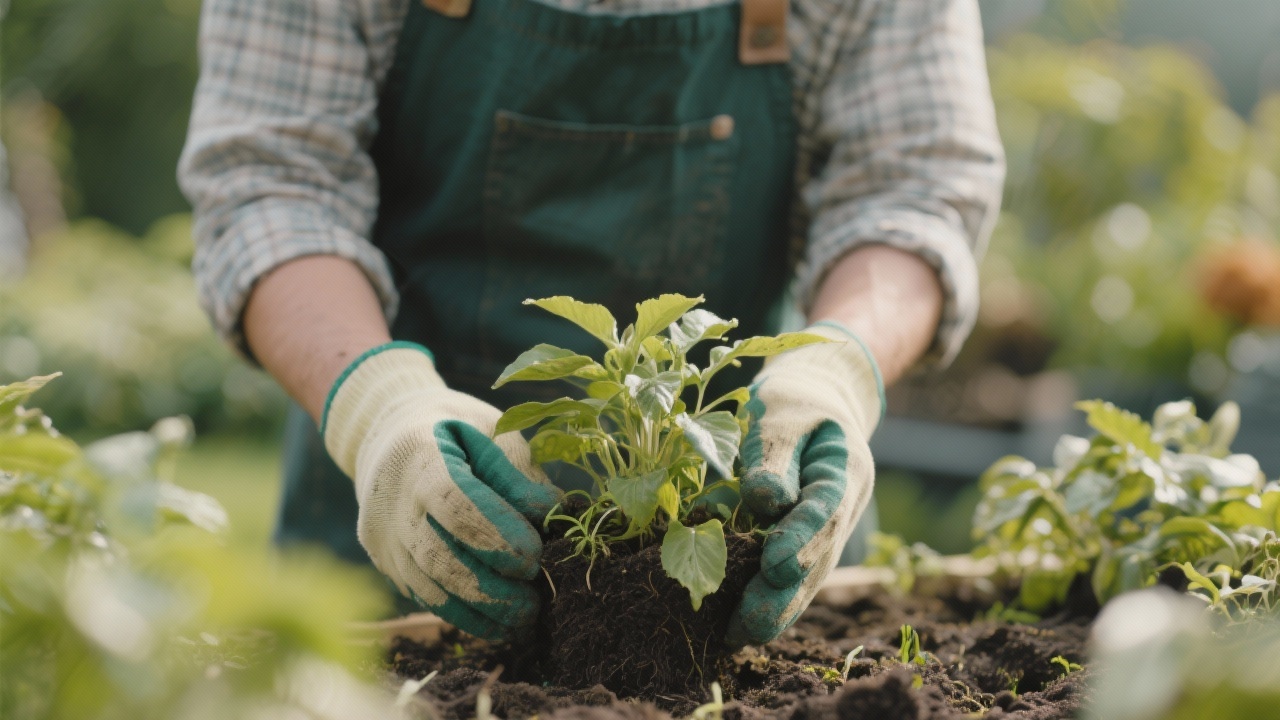
When transplanting your kohlrabi, position the seedling so that the collar, the base of the stem, is level with the garden soil surface; avoid burying it any deeper. Gently firm the earth around the root ball to ensure good contact and eliminate air pockets, then provide a thorough initial watering to settle the plant in. For optimal development, maintain a final spacing of 25 to 30 cm between each plant, with rows spaced 30 to 40 cm apart. Immediately apply a layer of organic mulch, such as straw or shredded leaves, around the base of the plant. This practice is key to conserving soil moisture and suppressing early weed competition, ensuring a strong start in your vegetable garden.
Key takeaway
- Temperature : 15–20°C
- Humidity : Humidité modérée
- Light : Plein soleil
- Transplanting : 3–4 feuilles
Ideal Conditions and Soil Preparation for Planting Kohlrabi
For a thriving crop of White Kohlrabi Delikatess, prioritize planting when outdoor conditions support robust establishment and successful regrowth. The ideal period for **vegetable gardening** this variety is typically in spring after the last **frost**, or in late summer. Ensure **air temperature** ranges between 10-24°C, with **soil temperature** at least 7°C. Prepare the bed thoroughly by weeding and loosening soil to 20-30 cm. Incorporate generous, well-rotted **compost** or enriched soil, essential for an organic farming approach. Young plants benefit from a 7-10 day acclimatization period, gradually exposing them to outdoor conditions to prevent transplant shock. Before planting, ensure root balls are adequately moist; dry roots can be gently soaked, or lightly teased if pot-bound.
Precise Planting and Immediate Installation Steps
When ready to plant your White Kohlrabi Delikatess seedlings, carefully place each plant, ensuring the collar (where stem meets root) sits precisely at soil level; avoid burying the stem too deeply. Gently firm the soil around the base to eliminate air pockets and establish good root-to-soil contact. Immediately create a small basin around each plant and provide thorough **watering** to settle the soil. Proper **spacing** is critical for healthy bulb development: aim for 15-20 cm between plants within a row, and 30-45 cm between rows. To conserve moisture and suppress weeds, apply a 5-10 cm layer of organic **mulch** (like straw or shredded leaves) around your seedlings directly after watering, a key practice for fostering **successful regrowth** in your **vegetable gardening** efforts.
Key takeaway
- Depth: Collar at soil level, not deeper.
- Espacement: 15-20 cm in-row; 30-45 cm between rows.
- Watering: Thoroughly immediately; maintain consistent moisture.
- Mulching/ Protection: 5-10 cm organic mulch (straw/leaves) immediately.
Managing Plant Growth and Vigor
For the `WHITE KOHLRABI DELIKATESS`, consistent `plant maintenance` is vital for robust development. The `irrigation regime` requires regular, deep `watering` to maintain even soil moisture, crucial for preventing `water stress` and ensuring tender bulb formation. Aim for 2-3 cm of water weekly, adjusted for weather. For `sustainable fertilization`, apply `organic inputs` like compost or balanced granular organic fertilizers in a split application: once plants are established and again as bulbs begin to swell, providing steady nutrients. Implement light `hoeing` to control weeds and promote `soil aeration`. Maintain an ample `mulching` layer with straw or wood chips to conserve moisture and suppress weeds, a key practice in `ecological gardening`. Ensure proper `spacing` by thinning crowded plants to allow full bulb expansion. Pruning or staking is not necessary for kohlrabi, simplifying its `vegetable garden maintenance`.
Health Protection and Environmental Balance
Effective `health monitoring` is crucial for `WHITE KOHLRABI DELIKATESS`. Regularly inspect plants for `warning signs` of `plant diseases` (e.g., discoloration) or `garden pests` (e.g., aphids, cabbage worms). Adopt `integrated and ecological protection` by prioritizing prevention: ensure healthy soil and adequate air circulation. Intervene at early `thresholds` with gentle solutions like manual removal or organic sprays (e.g., insecticidal soap). `Management of climatic conditions` includes providing temporary `shade` during intense heat to prevent stress and ensuring good air circulation to manage `humidity`. Implementing annual `crop rotation` is fundamental to disrupt pest and disease cycles, maintaining a balanced `vegetable garden`. Intercropping with suitable companions further supports `environmental balance` and reduces pest pressure, contributing to robust plant health.
Key takeaway
- Type of soil : Fertile, well-drained loam, pH 6.0-7.0
- Care : Hoeing, weeding, split organic fertilizer application
- Watering : Regular, deep; 2-3 cm water weekly
- Prevention: Mulch, crop rotation, intercrop, monitor pests
Harvest Time and Conditions
The harvest of White Kohlrabi Delikatess is determined by reaching optimal maturity, which is best judged by size rather than a fixed calendar. The ideal moment is when the swollen stem reaches a diameter of 5 to 8 centimeters, ensuring a tender, non-woody texture. This stage is typically reached 45 to 60 days after the plant is well-established in the vegetable garden. For peak quality, it is recommended to conduct the harvest in the cool of the morning when the plant is fully hydrated, and preferably during dry weather. Following these good agricultural practices ensures that you gather premium fresh fruit and vegetables. Since each plant produces a single bulb, successive harvests depend on the initial planting schedule.
Methods, Handling, and Storage
To perform the harvest, use clean cutting tools like a sharp knife or pruning shears to sever the stem just at the soil line. Immediately after cutting, trim the leaves from the bulb; this is a crucial step for long-term preservation as it significantly reduces moisture loss. Handle the bulbs carefully to prevent bruising or cuts, which can accelerate spoilage and oxidation. A quick rinse and sort, common in organic farming, prepares the produce for storage. Rapid pre-cooling by placing them in a cool environment helps maintain crispness. For optimal keeping, kohlrabi requires a low temperature, ideally close to 0°C, and high relative humidity of around 95%. A refrigerator's crisper drawer, with its high hygrometry, provides excellent conditions for several weeks.
Key takeaway
- Period : 45-60 days post-establishment
- Stage : Bulb diameter 5-8 cm
- Method : Cut stem at soil line; trim leaves
- Storage : 0°C, 95% RH, fridge crisper, weeks
Taste Profile and Culinary Uses of White Kohlrabi Delikatess
The White Kohlrabi Delikatess offers a remarkably versatile and delightful experience for home cooking enthusiasts. Both its crisp, pale-green bulb and its tender, leafy greens are edible parts, each contributing a unique dimension to garden vegetables preparations. The bulb boasts a distinctive mild, sweet flavor with a subtle peppery finish, reminiscent of a delicate radish, but without the intense bite. Its texture is wonderfully crunchy when raw, making it an ideal candidate for refreshing salads or as a vibrant addition to crudités platters. When cooked, it transforms into a tender, almost melt-in-the-mouth consistency while retaining its inherent juiciness. Common culinary preparation methods include slicing thinly for raw enjoyment, quick sautéing for 5-7 minutes over medium heat, roasting until tender-crisp in a moderate oven for about 20-25 minutes, or simmering gently in light broths. Its fresh flavor pairs beautifully in flavor combinations with fresh dill, chives, crisp apples, and mild goat cheese, making it a star in various vegetable recipes.
Seasoning, Nutrition, and Storage for White Kohlrabi Delikatess
Enhancing the delicate character of White Kohlrabi Delikatess is straightforward with thoughtful seasoning. A drizzle of quality olive oil or a knob of butter, brightened with fresh lemon juice or white wine vinegar, perfectly complements its natural sweetness. Fresh herbs like dill, parsley, or chives are excellent choices, alongside a pinch of sea salt and freshly ground black pepper. For a creamy finish, a touch of crème fraîche or a plant-based alternative can be incorporated. Beyond its appealing taste, this garden gem offers notable nutritional value, being a good source of Vitamin C, dietary fiber, and potassium, contributing to a wholesome diet without excessive health claims. Regarding storage, for short-term freshness, store whole kohlrabi bulbs and greens in a loosely sealed bag in the refrigerator’s crisper drawer, where they will remain vibrant for up to two weeks. For long-term preservation, the bulbs can be peeled, diced, blanched, and then frozen for future use in soups or stews. Alternatively, lacto-fermentation into crisp pickles offers a delicious and practical method to extend its garden-fresh appeal.
Key takeaway
- Flavor Profile : Mild, sweet, peppery; crunchy raw, tender cooked.
- Classic Uses : Raw salads/crudités, sautéed, roasted, simmered.
- Pairings : Dill, chives, apples, goat cheese, lemon, olive oil.
- Storage : Fridge (2 weeks); blanched, frozen for future use.

Companion plants