Chinese Cabbage Bopak
Brassica rapa
An incredibly productive choice for a season-long harvest.- Rich in vitamins A, C, calcium and iron per serving
- Supports healthy blood formation and strengthens immune system defenses
- Cruciferous compounds promote natural detoxification and reduce cancer risk

France

Plant profile

Growing calendar
Growing tips
Optimal Conditions for Planting Bopak Cabbage
Successful establishment of Chinese Cabbage Bopak begins with planting at the right time. The ideal period is in the spring after the last frost, or in late summer for an autumn crop, when soil temperatures are consistently above 10°C. Prepare your vegetable garden by creating a fertile bed; thoroughly remove all weeds, loosen the soil deeply, and incorporate a generous amount of mature compost or enriched soil to ensure good drainage and nutrition. Before introducing them to the garden, your young plants must undergo a gradual acclimatization period of seven to ten days, exposing them to outdoor conditions for increasing lengths of time to prevent transplant shock. An hour before planting, water the seedlings well to ensure the root ball is moist and easy to handle.
Techniques for Successful Seedling Establishment
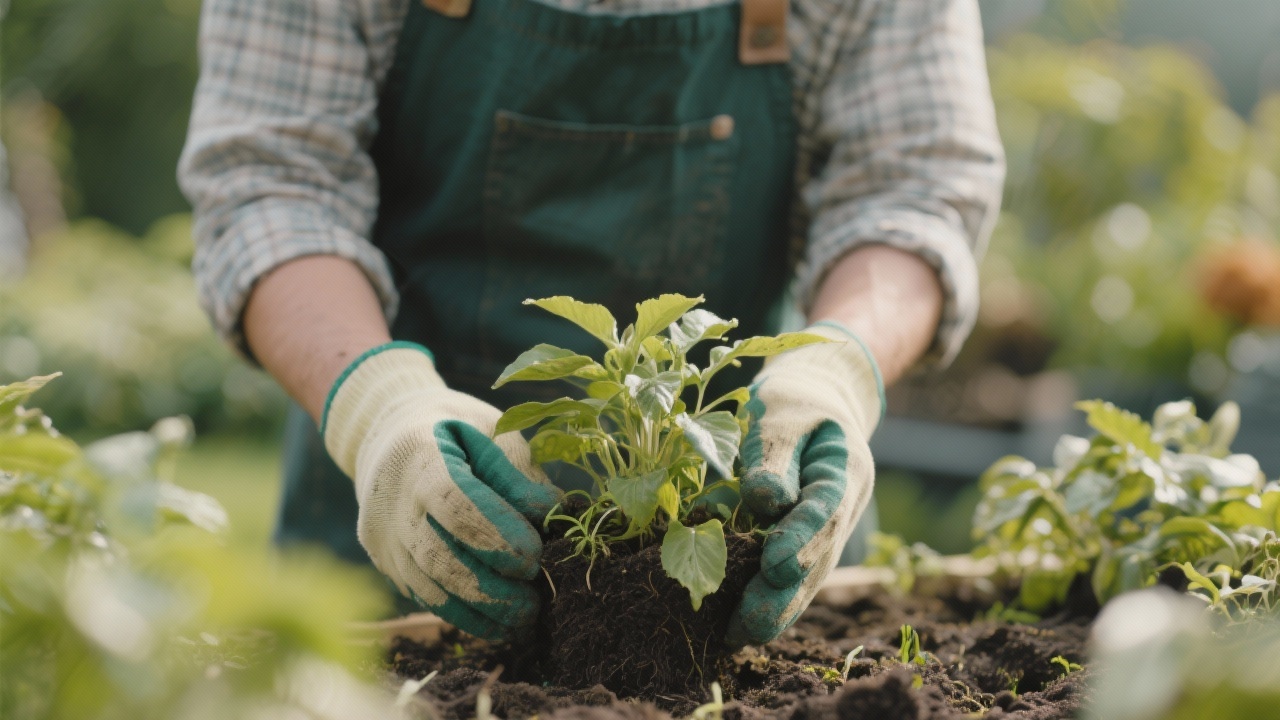
When planting your Bopak seedling, place it in the prepared hole so that the base of its first true leaves is level with the soil surface. This encourages a sturdy, well-anchored plant. Gently firm the soil around the root ball to eliminate air pockets and provide a generous initial watering to settle the plant in. Adhere to a final spacing of approximately 25 cm between each plant and 35 cm between rows to allow for healthy development and air circulation. Immediately apply a layer of organic mulch, such as straw or shredded leaves, around the base of the plant. This practice is crucial for conserving soil moisture, regulating temperature, and suppressing early weed competition, setting the stage for vigorous growth.
Key takeaway
- Temperature : Optimal 15-24°C air temperature.
- Humidity : Moderate humidity (50-70%).
- Light : Full sun; 6+ hours daily.
- Transplanting : 2-4 true leaves developed.
Conditions and Preparation for Planting Chinese Cabbage Bopak
For a robust start in your organic vegetable gardening, timing is crucial when **planting** Chinese Cabbage Bopak. The ideal period is early spring or late summer, ensuring a frost-free environment. Aim for **air temperatures** between 10°C and 24°C, with **soil temperatures** preferably above 10°C for optimal root development and **successful regrowth**. Prepare your planting bed by thoroughly **weeding** and loosening the soil to a depth of 20-30 cm. Incorporate a generous amount of well-rotted **mature compost** or other enriched organic matter to enhance soil structure and fertility. Young plants should undergo a gentle 5-7 day *acclimatization* period, gradually exposing them to outdoor conditions to minimize transplant shock. Before settling them into the ground, a brief soak in water for dry root balls is beneficial; gently tease apart any circling roots to encourage outward growth.
Planting and Installing Chinese Cabbage Bopak Seedlings
When **planting** Chinese Cabbage Bopak, ensure each seedling is placed at the same depth it was in its nursery pot, with the *collar* (the point where the stem meets the roots) level with the surrounding soil. After positioning the plant, gently **compact the soil** around its base to eliminate air pockets, which can hinder root contact. Form a shallow **basin** around each newly planted specimen and **water** thoroughly immediately to settle the soil and encourage initial root establishment. For optimal growth and air circulation, space individual plants 15-20 cm apart, with 30-45 cm between rows. To conserve moisture and suppress **weed competition**, apply a 5-7 cm layer of organic **mulch** around the plants directly after planting. For early spring plantings, a light horticultural fleece can provide immediate protection from unexpected cold snaps, aiding in **successful regrowth** and establishment.
Key takeaway
- Depth: Same as nursery pot; collar level.
- Espacement: Plants 15-20cm apart; rows 30-45cm.
- Watering: Thoroughly immediately; maintain consistent moisture.
- Mulching/ Protection: 5-7cm organic mulch; fleece for cold.
Managing plant growth and vigor
For CHINESE CABBAGE BOPAK, consistent watering is paramount to prevent water stress and ensure crisp, tender leaves, especially during dry spells. Aim for moderate, regular irrigation, keeping soil evenly moist but not waterlogged. For sustainable fertilization, Bopak, a leafy crop, thrives on nitrogen-rich organic inputs. Incorporate well-rotted compost or a balanced organic granular fertilizer initially, with a lighter foliar application of liquid feed if needed. Regular hoeing and diligent weeding are crucial for effective plant maintenance, minimizing competition. A consistent layer of organic mulch (straw, shredded leaves) suppresses weeds, conserves moisture, and moderates soil temperature. Bopak requires no pruning, pinching, or staking, but ensure adequate plant spacing promotes good air circulation.
Health protection and environmental balance
Diligent health monitoring is fundamental for successful vegetable garden maintenance. Regularly inspect Bopak for early signs of plant diseases (leaf spots, discoloration) and garden pests (aphids, cabbage worms), particularly on undersides of leaves. Embrace ecological gardening and integrated pest management; prevention is key. Utilize physical barriers like fine mesh covers. Should issues arise, opt for gentle solutions like hand-picking or targeted insecticidal soap, intervening only when pest thresholds are met. Managing climatic conditions is vital: provide light shade during intense summer heat to prevent premature bolting, and ensure good air circulation to mitigate humidity. Implementing strict crop rotation practices is indispensable for limiting soil-borne disease and pest build-up, ensuring long-term soil health and a balanced garden ecosystem.
Key takeaway
- Type of soil : Fertile, well-drained, rich in organic matter, pH 6.0-7.0
- Care : Light hoeing, weeding, nitrogen-rich organic feed monthly, 5-8 cm mulch
- Watering : Consistent moderate moisture, keep soil evenly moist, not waterlogged
- Prevention : Insect netting against flea beetles, crop rotation, mulch, light shade in heat
Determining Optimal Harvest Time
The key to a successful harvest of Bopak Chinese Cabbage lies in identifying the precise point of maturity. This is typically indicated when the plant has formed a firm, compact base with crisp, vibrant green leaves, reaching a height of 20 to 30 centimetres. In most vegetable garden conditions, this stage is reached approximately 6 to 8 weeks after planting. For superior quality and better preservation, the harvest should be conducted in the cool of the early morning when the plant's tissues are turgid and full of water. Performing this task in dry weather is a principle of good agricultural practices, as it minimizes the risk of disease on the cut surface. Each plant is generally harvested once, ensuring a single, high-quality yield of fresh fruit and vegetables.
Harvesting Technique and Post-Harvest Care
Use clean, sharp cutting tools, such as a harvest knife, to sever the entire head at its base, about 2-3 cm above the soil line. Handle the harvested heads with care to avoid bruising the tender stalks and leaves, as any physical damage can lead to rapid oxidation and a loss of quality. After cutting, immediately remove any yellowed or damaged outer leaves. To ensure maximum freshness, rapid pre-cooling is recommended to remove field heat, a critical step for all leafy greens. Optimal storage conditions are a low temperature, ideally close to 0°C (32°F), and a very high relative humidity of 95-98%. When these conditions are met, Bopak Chinese Cabbage can be preserved for up to two weeks. For short-distance transport, keep the produce cool and shielded from direct sunlight to maintain its crispness and nutritional value.
Key takeaway
- Period : 6-8 weeks after planting
- Stage : Firm, compact, 20-30cm tall, vibrant leaves
- Method : Cut base 2-3cm above soil; avoid bruising
- Storage : 0°C, 95-98% RH, up to two weeks
Culinary Versatility and Flavor Profile of Chinese Cabbage Bok Choy
Chinese Cabbage Bok Choy, a prized garden vegetable, offers a delightful duality in its edible parts: crisp, succulent white stems and tender, dark green leaves. Its flavor profile is subtly sweet with a fresh, mild peppery note, especially pronounced in younger leaves. The stems provide a satisfying crunchy texture, while the leaves become melt-in-the-mouth when briefly cooked. Ideal for diverse culinary preparations, Bok Choy shines raw in salads, lending a vibrant fresh flavor. It excels in quick cooking methods: a swift sauté or stir-fry in a hot wok (2-4 minutes) preserves its crispness, while steaming (3-5 minutes) highlights its delicate nature. For robust flavor combinations, pair it with ginger, garlic, soy sauce, sesame oil, or chili flakes. This versatile green harmonizes beautifully with plant-based proteins like tofu, or complements lean meats and fish in various vegetable recipes, making it a staple for exquisite home cooking.
Enhancing Flavor, Nutritional Value, and Storage of Chinese Cabbage Bok Choy
To elevate the fresh flavor of Chinese Cabbage Bok Choy, consider light seasoning with quality olive or aromatic sesame oil, a dash of rice vinegar or fresh lemon juice, and a pinch of sea salt. Freshly grated ginger, minced garlic, or a sprinkle of chili flakes create enticing flavor combinations, perfect for enriching various vegetable recipes in home cooking. Beyond its culinary appeal, Bok Choy boasts significant nutritional value, being rich in vitamins A, C, and K, as well as folate and dietary fiber, supporting a healthy diet. Generally safe for consumption, its mild character requires no special precautions. For optimal storage, short term, refrigerate unwashed Bok Choy in a crisper drawer for up to a week. For long-term preservation, blanching and freezing extends its usability for several months, or explore lacto-fermentation for unique, flavorful additions to your pantry.
Key takeaway
- Flavor Profile : Mildly sweet, fresh, peppery; crisp stems, tender leaves.
- Classic Uses : Salads (raw), quick sauté, stir-fry, steaming.
- Pairings : Ginger, garlic, soy, sesame, chili, tofu, meats.
- Storage : Refrigerate (1 week), blanch and freeze (months).
Companion plants