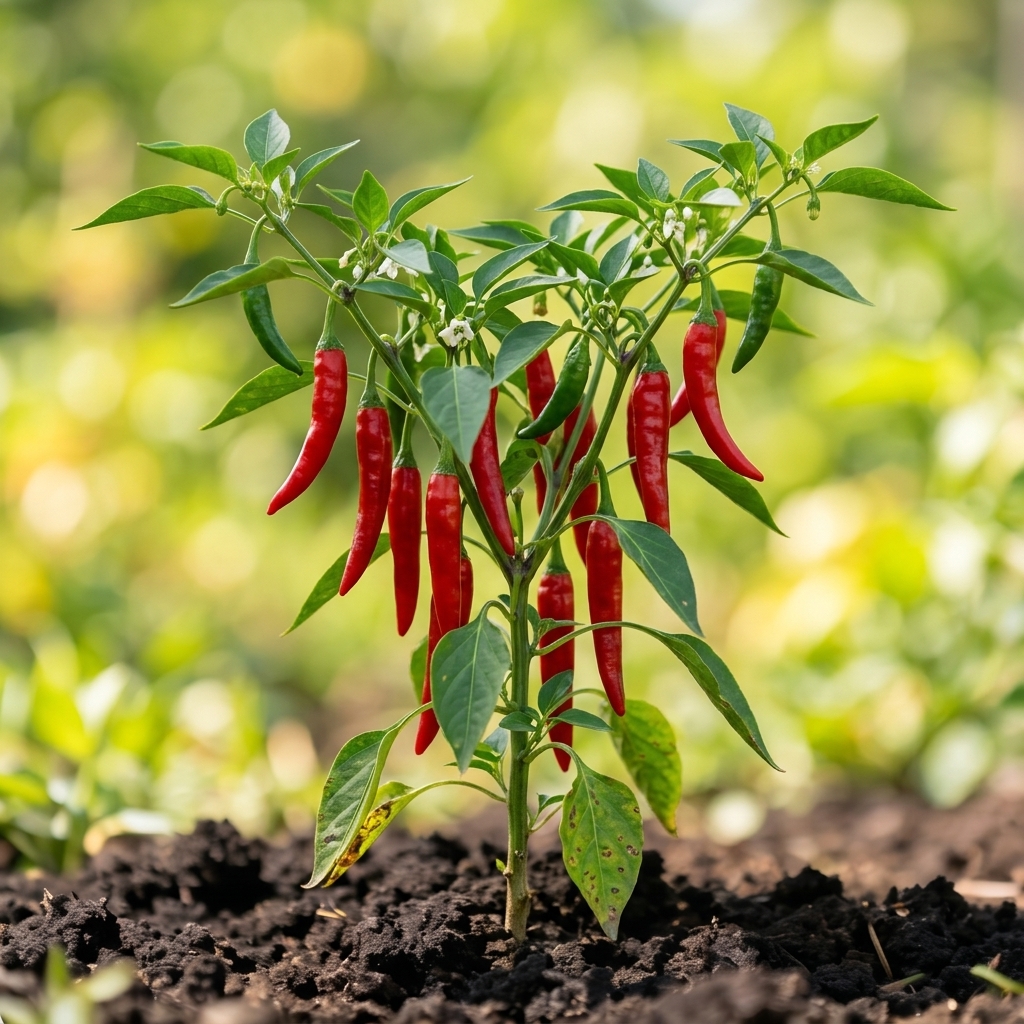
Cayenne Pepper
Capsicum annuum
Long and spicy, ideal for sauces.Dispo. en Juin
- Excellent source of vitamin C, beta-carotene, and cell-protecting antioxidants
- Promotes eye health and maintains radiant, healthy skin
- Helps prevent cardiovascular diseases due to its anti-inflammatory properties

certified organic

France

Plant profile

Growing calendar
Growing tips
Conditions and Method of Sowing Capsicum annuum
Sowing of Capsicum annuum, more commonly known as cayenne pepper, is preferably done under cover or indoors, as this plant requires a soil temperature between 20 and 25 °C for proper germination. Prepare a light and well-drained substrate, made of fine horticultural soil or a peat-perlite mix, which promotes good aeration around the seed. Fill pots or seed trays with this substrate, then place the seeds at a depth equivalent to two or three times their diameter, about 3 to 5 mm. Gently moisten the substrate by fine spraying before sowing to avoid displacing the seeds, then maintain a constant humidity without saturation throughout the germination phase. The cayenne pepper appreciates natural light or gentle exposure; place your seedlings in a bright location, ideally with an air temperature around 22 to 25 °C, to encourage harmonious emergence.
Germination and Follow-Up Until Transplanting
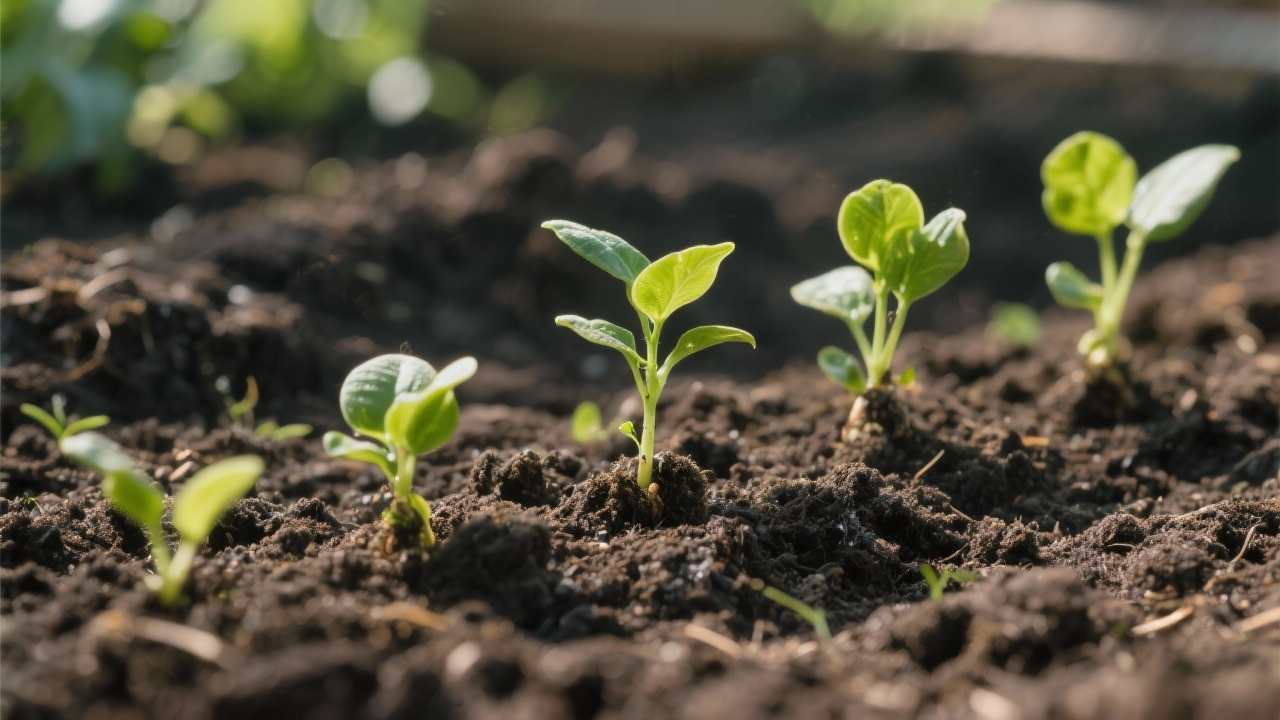
The emergence of the seeds is usually observed between 10 and 20 days after sowing, depending on temperature and humidity conditions. Space the seedlings about 3 cm apart to allow young plants to breathe and avoid fungal diseases. Although the cayenne pepper does not exhibit marked dormancy, lightly soaking the seeds in warm water for 12 hours before sowing can naturally accelerate germination. Once the first two true leaves appear, between 15 and 25 days after emergence, the young plant is ready for transplanting into individual pots. This early step ensures vigorous rooting and limits stress during handling. To successfully grow organic cayenne peppers in the vegetable garden, strictly follow these simple gardening tips, which form the solid foundation for healthy and productive production.
Key takeaway
- Temperature: 24-28°C soil, 25°C optimal air
- Humidity: Constant humidity, daily fine spraying
- Light: Diffused light, indirect and bright exposure
- Transplanting: 3-4 weeks after sowing, at the stage of 2 true leaves
Conditions and Preparation for Planting Cayenne Pepper
Cayenne Pepper is planted in May to June, when all risk of frost has passed and the air temperature regularly reaches 18 to 20 °C minimum, ideally 22 to 25 °C. The soil must be sufficiently warmed, with a minimum temperature of 16 °C to ensure good recovery. Prepare your growing area by performing a complete weeding and a deep loosening of the soil to 25 to 30 cm. Generously incorporate well-rotted compost or an enriched potting soil (3 to 4 kg/m²) to structure the soil and improve water retention. Before planting, acclimate your young seedlings gradually in a nursery or under shelter for 7 to 10 days, exposing them gradually to the open air and sunlight. This step prepares the plants for outdoor conditions and reduces transplant shock. Carry out root soaking a few hours before planting by immersing the clumps in water or a light mud slurry. This simple treatment hydrates the roots, facilitates their adherence to the soil, and promotes rapid rooting of the plant.
Planting and Installation of the Jubilanska Plant
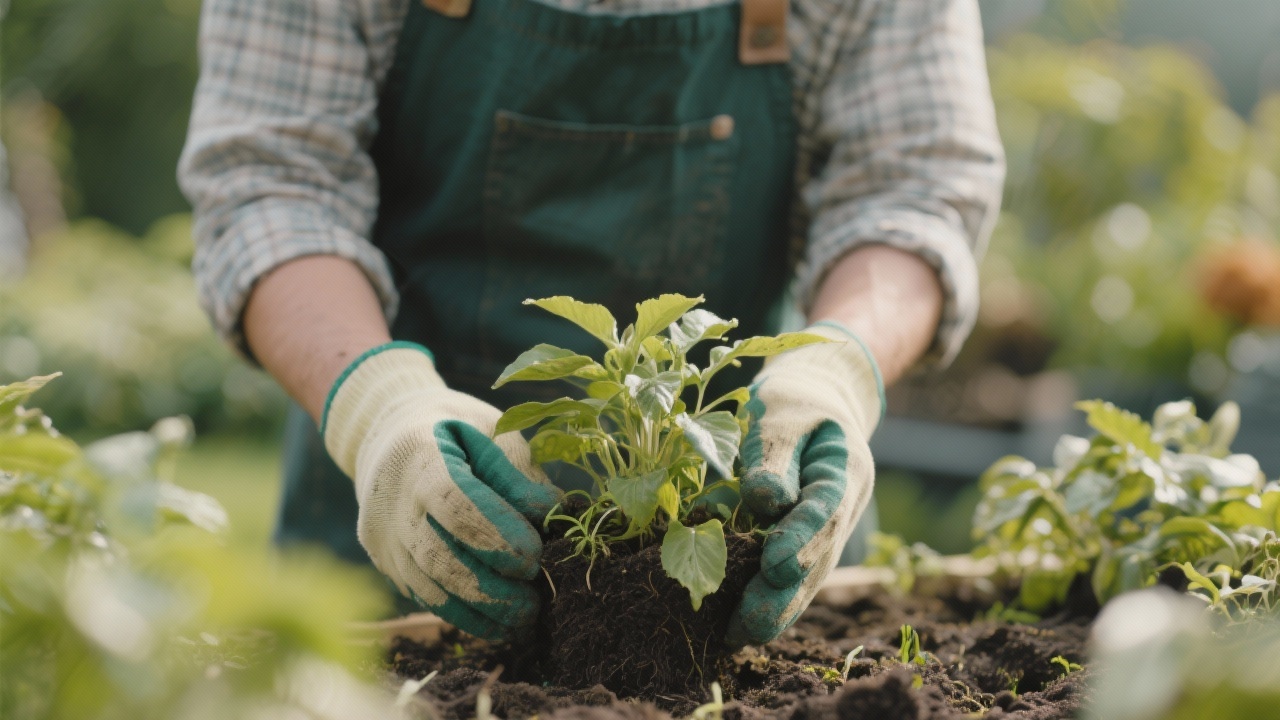
Plant the Cayenne Pepper while respecting the position of the collar at soil level, without burying it further to avoid rot. Dig a planting hole slightly wider than the clump, then install the plant ensuring its verticality. Lightly compact the soil around the base, then immediately proceed with a generous watering in a basin to eliminate air pockets and ensure intimate contact between the roots and the substrate. Maintain a spacing of 50 to 60 cm between plants and 70 to 80 cm between rows to promote air circulation and facilitate access during interventions. Apply without delay a biological mulch (straw, hemp, chippings) around the base to limit evaporation, maintain constant moisture, and reduce competition from weeds. In very sunny climates or windy areas, a light staking or temporary protective cover may support recovery during the first two to three weeks.
Key takeaway
- Depth: At collar level, slightly buried
- Spacing: 40–50 cm in-row, 60–70 cm between rows
- Watering: Initial soaking 10–15 min, then basin watering
- Mulching / Protection: Organic mulch 5–8 cm (straw, bark)
Growth and vigor management of the plant
The Cayenne Pepper requires regular and balanced maintenance to express its full productive potential. Watering is the cornerstone of this management: maintain a regular and moderate supply, about two to three times a week depending on climatic conditions, favoring deep watering in the morning to avoid water stress and fungal diseases. The soil should remain moist without ever becoming waterlogged. At the same time, split the fertilization into two to three applications of organic fertilizers (refined compost, bone meal, or balanced synthetic fertilizers) starting from the fruit set, respecting a progressive nutrition logic. A good mulch around the plant (5 to 8 cm of organic matter) regulates moisture, limits weeds, and enriches the soil. Complement this maintenance with a light monthly hoeing to aerate the surface and remove weeds, while maintaining an adequate spacing between plants to promote air circulation. Discreet staking can support the fruit-laden stems without hindering their natural growth.
Health protection and environmental balance
The success of the Cayenne Pepper also relies on regular monitoring and a preventive approach: inspect the foliage and stems weekly for early signs of pest attacks (mites, aphids) or diseases such as powdery mildew or anthracnose. Favor integrated protection by maintaining exemplary garden hygiene, optimal ventilation, and stable humidity: avoid foliar watering and ensure good crop rotation (do not replant peppers or solanaceae in the same location for three years). Judicious crop associations, such as the proximity of onions or basil, enhance the natural resilience of the ecological garden. In case of a confirmed problem, prefer gentle solutions (plant extracts, black soap, sulfur) before considering more marked interventions. Careful climate management—temperature between 18 and 28 °C, protection against drying winds—completes this sustainable strategy and keeps your plants in balance.
Key takeaway
- Soil type: Sandy-clay soil, pH 6.0-6.8, well-drained
- Maintenance: Light monthly hoeing, compost every 30 days, gradual staking
- Watering: 2-3 times/week, 500ml per plant, soil constantly moist
- Preventive action: Mulching 5-7 cm, crop rotation, natural treatment with nettle extract
Maturity Indicators and Optimal Harvest Time for Cayenne Pepper
The Cayenne Pepper reaches its harvest maturity between 60 and 75 days after flowering, when the fruits exhibit a uniform bright red color and a firm texture to the touch. Key indicators for identifying the right stage include optimal fruit size (about 8 to 10 cm in length), absence of residual green areas, and a shiny skin characteristic of maturity. In a vegetable garden under normal conditions, harvesting typically begins in late summer and continues until the first frosts. It is recommended to harvest in the late morning or early afternoon, when the dew has disappeared and leaf moisture is minimal, to reduce the risk of fungal disease transmission. Harvesting occurs every 5 to 7 days depending on thermal conditions and the intended market, allowing for a consistent yield of fresh fruits and vegetables throughout the productive season.
Harvesting Techniques and Post-Harvest Storage
Harvesting Cayenne Pepper is done using a sharp pruning shear or horticultural knife, gently cutting the stem 1 to 2 cm from the fruit to avoid tears that could compromise storage. Careful handling and absence of mechanical shocks limit oxidation and appearance defects. After harvesting, immediate sorting eliminates fruits with visible defects. Pre-cooling is recommended within 2 hours of harvest: a quick pass in a cold room or temporary shade helps accelerate the reduction of the fruit's internal temperature. In good agricultural practices, storage is done at a temperature of 8 to 10 °C with a relative humidity of 90 to 95 %, allowing for preservation of 2 to 3 weeks without major quality deterioration. Short transport is carried out in ventilated containers at controlled temperature, thus preserving the freshness and integrity of fruits and vegetables intended for direct sale or distribution.
Key takeaway
- Period: 60-90 days after flowering, usually mid-summer
- Stage: Fruits 8-10 cm, uniform color, firm texture
- Method: Gently cut with clean shears, near the calyx
- Storage: 8-12°C, humidity 85-90%, duration 2-3 weeks
Taste Profile and Preparation of Cayenne Pepper
Cayenne Pepper is primarily consumed for its fleshy and juicy flesh, which constitutes the noble part of the vegetable from the garden. This fruit offers a delicate sweet flavor, with subtle fruity notes and an unmatched crunchy texture when eaten raw. In the kitchen, this pepper lends itself to a wide variety of preparations: raw in salads to preserve its natural freshness, sautéed in a pan for 5 to 7 minutes to concentrate its flavors, or roasted in the oven at 200 °C to develop a caramelized sweetness. It pairs beautifully with garlic, onion, Mediterranean herbs like thyme or oregano, and finds its natural place alongside tomatoes, zucchini, and eggplant in classic vegetable recipes. Stuffed with rice and aromatic herbs, sautéed in delicate julienne, or simmered in a light broth, the Jubilanska expresses all its culinary versatility and potential for authentic home cooking.
Seasoning, Nutrition, and Preservation
The seasoning of Cayenne Pepper benefits from a generous touch of olive oil, a splash of white vinegar or fresh lemon to enhance its liveliness, and a judicious pinch of salt. Its nutritional profile is remarkable: rich in vitamin C, fiber, and antioxidants, particularly carotenoids, this garden vegetable contributes to a balanced and healthy diet. Consumed raw or lightly cooked, it best preserves its benefits. For short-term storage, place it in the refrigerator in the vegetable drawer for 1 to 2 weeks. For long-term storage, freezing after blanching for 3 minutes is perfect, or opt for lacto-fermentation in jars for a complex and probiotic flavor. Low-temperature oven drying also creates tender chips ideal for winter preparations or healthy snacks.
Key takeaway
- Taste Profile: Delicate sweet, crunchy flesh, slightly sweet fresh flavor
- Classic Preparations: Raw in salad, roasted in the oven, sautéed, stuffed vegetables
- Winning Pairings: Garlic, onion, basil, oregano, olive oil, balsamic vinegar
- Preservation: Refrigerator 10 days, freezing after steaming, drying possible
Companion plants