Winter Cabbage Renton F1
Brassica oleracea var. capitata 'Renton F1'
Winter cabbage with firm heads 2–3 kg, bluish waxy foliage, very hardy.- Excellent source of vitamins C, K, and fiber for winter
- Firm long-storing heads, ideal for sauerkraut and soups
- Remarkable cold tolerance due to its protective waxy foliage

Plant profile

Growing calendar


Growing tips
Preparation and Optimal Conditions for Cabbage Seed Sowing
Sowing Brassica oleracea var. capitata (cabbage) is ideally done under cover or indoors, before planting in the vegetable garden. Prepare a light and well-drained substrate, composed of quality horticultural soil mixed with a bit of perlite, which promotes root aeration and prevents suffocation of young plants. The soil temperature should be between 15 and 20 °C for consistent germination and rapid emergence. Sow the seeds very finely at a depth of 0.5 to 1 cm maximum — barely covered with substrate — then maintain constant moisture by gentle daily misting. Avoid heavy watering that could drown the fragile seeds. Exposure to natural light or under a grow light accelerates emergence and strengthens young plants as they appear.
Germination and Monitoring Until Transplanting
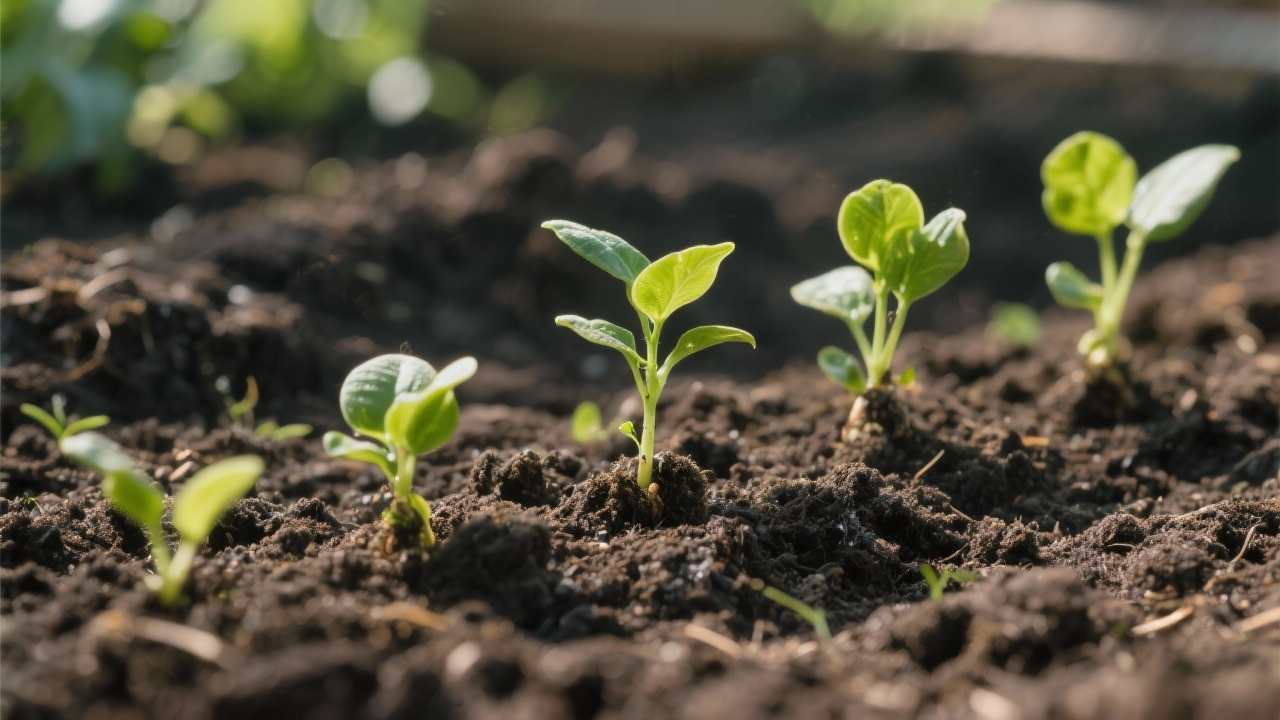
Expect 5 to 10 days for emergence under optimal conditions, with the first true leaf visible shortly after. During this critical period, maintain consistent moisture without excess to prevent fungal diseases. No special pretreatment is necessary for cabbage: the seeds naturally germinate. Once the first true leaves appear — recognizable by their characteristic shape, distinct from the cotyledons — the seedlings are ready for transplanting into individual pots. This step marks the end of the critical sowing phase and the beginning of the young plant's development, essential for successful organic or conventional cultivation in the garden.
Key takeaway
- Temperature: 15-20°C, constant and protected
- Humidity: 70-80% constant relative humidity
- Light: Partial shade to soft light, 4-6h/day
- Transplanting: 2-3 true leaves, about 15-21 days
Conditions and Preparation for Planting Winter Cabbage Renton F1
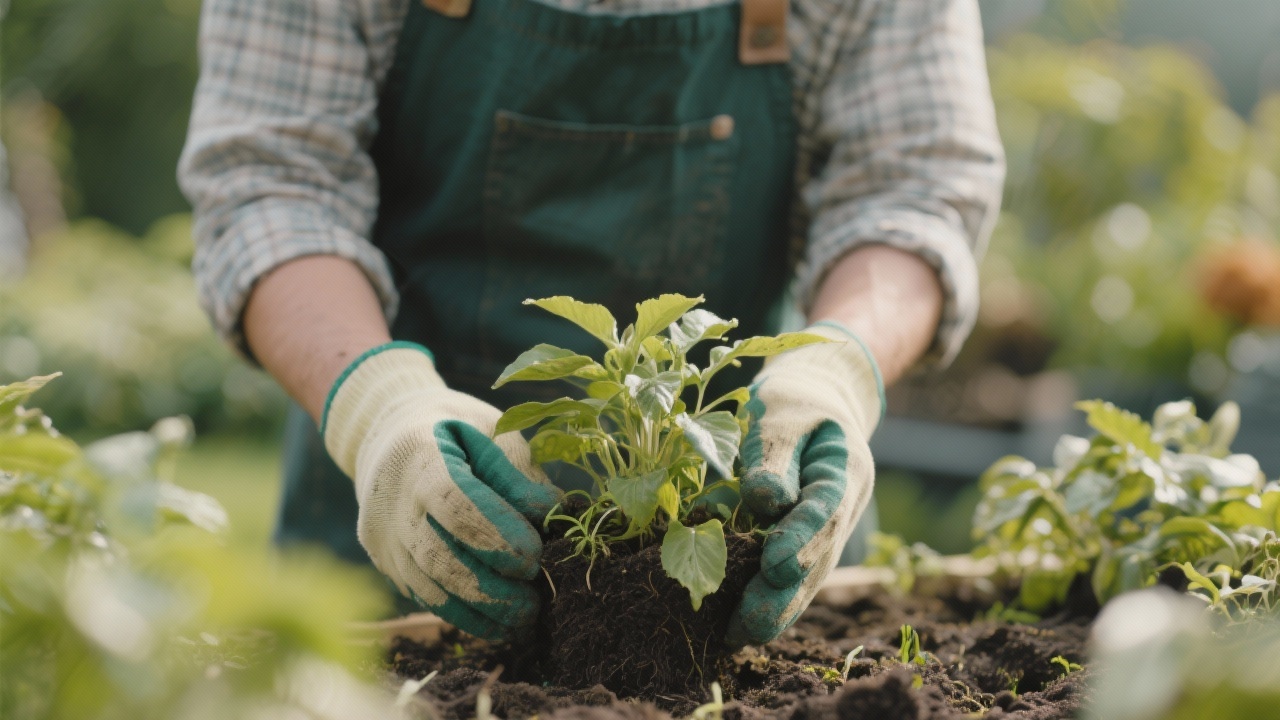
The planting of Winter Cabbage Renton F1 ideally takes place in summer, when daytime temperatures are around 15 to 20 °C and the soil reaches a minimum of 12 to 15 °C, while avoiding any risk of late frost. To prepare your vegetable plot, start with careful weeding and a deep loosening of the soil, then incorporate 3 to 5 cm of well-decomposed compost or enriched potting soil to structure the substrate and ensure good recovery. A few days before planting, gradually acclimate your young plants by exposing them to outdoor conditions for 7 to 10 days, limiting water stress and thermal shocks. Just before planting, proceed with root dipping by immersing the roots for a few minutes in a light mixture of water and fine soil, or simply in water, to promote soil adhesion and continuity of root contact.
Planting and Optimal Installation of the Seedling
Plant each seedling at the depth of the collar, without pushing it deeper, then lightly compact the soil by hand to eliminate air pockets. Immediately follow with a generous watering in a basin to allow the substrate to settle well around the roots and ensure uniform recovery. Maintain a spacing of 45 to 55 cm between plants and 60 to 70 cm between rows to promote air circulation and limit diseases. Apply an organic mulch of 5 cm (straw, semi-decomposed compost, or plant mulch) around each plant, ensuring the collar is clear, to retain soil moisture, regulate temperature, and reduce competition from weeds. In exposed or shaded climates, consider installing a forcing cover during the first two weeks to secure establishment.
Key takeaway
- Depth: Collar slightly above the soil surface
- Spacing: 45–55 cm between plants, 60–70 cm between rows
- Watering: Generous watering in a basin after planting, then regular
- Mulch / Protection: Organic mulch 5–8 cm, ground cover against evaporation
Growth and Plant Vigor Management
The Winter Cabbage Renton F1 requires regular and moderate watering, especially during dry periods: expect about 25 to 30 mm per week, adjusting according to local climatic conditions and soil moisture. Prolonged water stress would compromise harvest quality and slow growth. Keep the soil consistently moist by applying organic mulch (straw, well-rotted compost) 5 to 8 cm around the plant, which regulates moisture and limits weeds. In terms of fertilization, apply a balanced organic fertilizer at the beginning of the growing season, then split applications with well-decomposed compost or organic fertilizer every three to four weeks to support vegetative vigor. Regular hoeing of the soil, especially after watering, promotes root aeration and facilitates the incorporation of nutrients. Ensure adequate spacing between plants to allow good air circulation and prevent seedling damping off or rot.
Health Protection and Environmental Balance
Regular monitoring of the foliage allows for early detection of common pests (flea beetles, aphids, cabbage worms) and diseases (downy mildew, cabbage root). Favor an integrated protection approach based on prevention: avoid excess leaf moisture, ensure good aeration, and space plants properly. In the face of pests, first resort to simple measures (manual removal, water sprays) before considering organic solutions permitted in ecological cultivation. Climatic conditions strongly influence health: excessive humidity promotes fungi, while partial shading in summer protects against heat stress. Finally, applying a rigorous crop rotation (avoid brassicas in the same spot for more than two consecutive years) and smart associations with other vegetables limit the accumulation of specific pests and gradually restore the balance of your ecological garden.
Key takeaway
- Soil Type: Rich in humus, Well-drained, Neutral pH 6.5-7.0, well-drained and rich in organic matter
- Maintenance: Light monthly hoeing, compost every 4 months, weed removal around the plant
- Watering: Keep soil moist, 25 to 30 mm/week, 2-3 times a week depending on temperature
- Preventive Action: Organic mulch 5-8 cm, crop rotation, insect/bird netting
Maturity Indicators and Optimal Harvest Time for Winter Cabbage Renton F1
The Winter Cabbage Renton F1 reaches full maturity approximately 90-120 days after planting, when the harvested organs exhibit their characteristic appearance and firm texture. The key indicator of maturity lies in the size and consistency of the consumed parts, without signs of softening. The harvest is preferably done in the late morning, after the evaporation of the night dew, when the leaves regain their balanced moisture. Ideal weather conditions correspond to a dry and temperate day, between 10 and 18 °C. This organic vegetable crop allows for a staggered and progressive harvest, generating a consistent yield of superior quality from October to February.
Cutting Techniques, Handling, and Optimal Storage
Harvesting is done using a disinfected pruning shear or a sharp knife, ensuring that adjacent tissues are not damaged, which could promote oxidation and reduce the product's shelf life. The harvested parts should be handled gently and quickly placed in clean, ventilated bins, away from heat sources. A careful sorting eliminates any damaged or contaminated leaves, ensuring the homogeneity of the batches intended for storage. A rapid pre-cooling to 4 °C is beneficial for optimizing preservation. Long-term storage occurs between 0 and 4 °C, with a relative humidity maintained between 90 and 95%, allowing for optimal preservation. For short transport to the vegetable garden or point of sale, using ventilated containers and quick delivery preserves the freshness and nutritional qualities of the fresh vegetables.
Key takeaway
- Period: 90-120 days after planting, from October to February
- Stage: Firm head 2–3 kg, bluish waxy outer leaves
- Method: Cut the head at the base with a sharp knife
- Storage: 0-4°C, 90-95% RH, several weeks
Taste Profile and Culinary Preparation of Winter Cabbage Renton F1
The Winter Cabbage Renton F1 stands out with its firm heads and smooth, waxy leaves, true stars of the modern vegetable garden. Consumed raw or cooked, they offer a sweet and crunchy flavor, with a particularly appreciated texture. In home cooking, this garden product excels when prepared in classic ways: Sauerkraut, soup, braise, raw cabbage salad. The flavors harmoniously pair with the following: Bacon, apple, cumin, vinegar, carrot. In salads, the young shoots benefit from being simply prepared with a drizzle of oil to reveal their naturally fresh texture.
Seasoning, Nutrition, and Preservation of Winter Cabbage Renton F1
This ingredient for plant-based recipes is subtly enhanced with a touch of olive oil or fresh lemon juice, complemented by aromatic herbs. Rich in vitamins and minerals, it provides an interesting nutritional base. Short-term storage is done in the refrigerator for a few days. For long-term preservation, prefer freezing after a quick blanching when suitable, dried, or other traditional methods. Although often consumable raw, brief cooking can improve digestibility depending on usage.
Key takeaway
- Taste Profile: Sweet and crunchy, slightly sweet after frost
- Classic Preparations: Sauerkraut, soup, braise, raw cabbage salad
- Winning Pairings: Bacon, apple, cumin, vinegar, carrot
- Storage: 0-4°C, 90-95% RH, several weeks
Companion plants