Snowball Round Turnip
Brassica rapa subsp. rapa 'Boule de Neige'
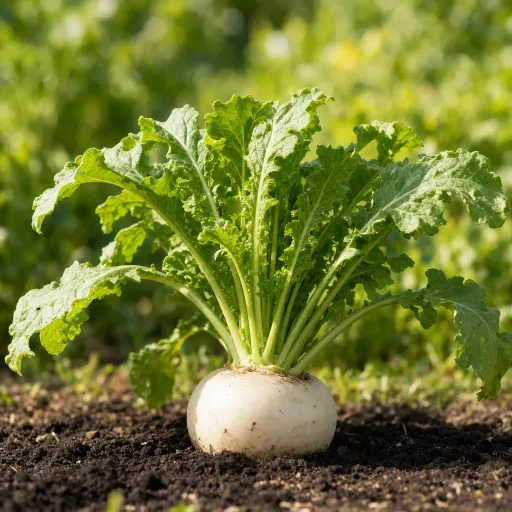
Snowball round turnip, pure white root, tender and sweet flesh, rapid growth.-
Pure white round root, very sweet
-
Tender, juicy flesh, ideal raw or cooked
-
Rapid growth for staggered harvests

France


Plant profile
Growing calendar



Growing tips
Preparation and optimal conditions for sowing turnips
Turnip seeds of Brassica rapa subsp. rapa are ideally sown under cover or indoors, before planting out in the vegetable garden. Prepare a light, well-draining substrate made of quality potting compost mixed with a little perlite, which keeps roots aerated and prevents young seedlings from suffocating. The soil temperature should be between 15 and 20 °C for regular germination and rapid emergence. Sow the seeds very thinly at a depth of 0.5 to 1 cm at most, barely covered with substrate, then keep the moisture constant by gentle daily misting. Avoid forceful watering, which could drown the fragile seeds. Exposure to natural light or a grow lamp speeds up emergence and strengthens the seedlings as soon as they appear.
Germination and care until transplanting
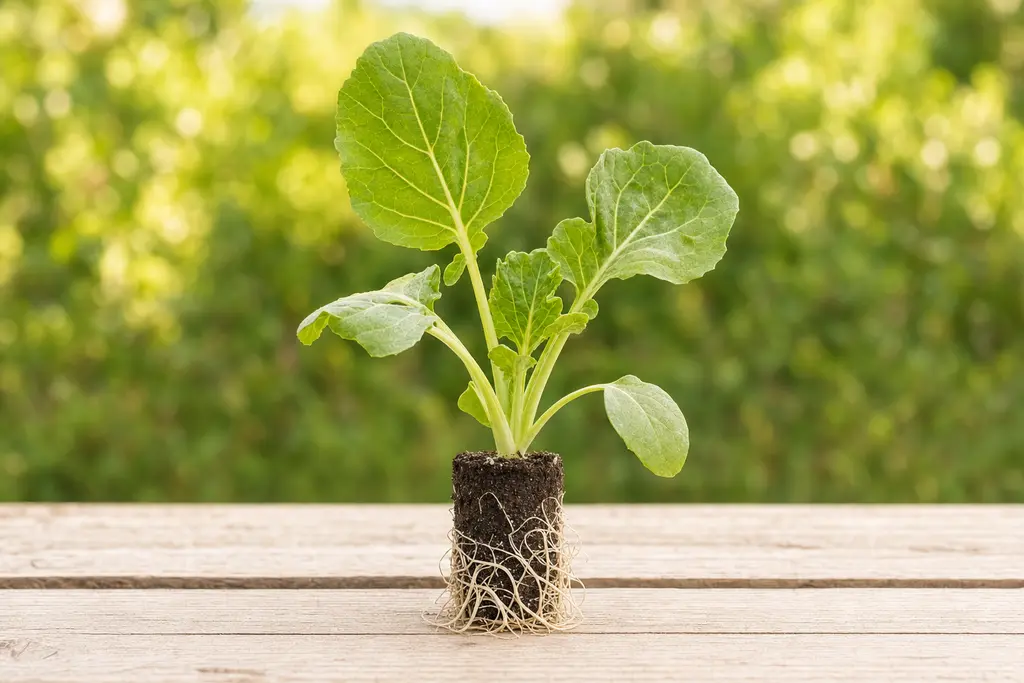
Allow 5 to 10 days for emergence under optimal conditions, with the first true leaf appearing shortly afterwards. During this critical period, maintain regular moisture without excess to prevent fungal diseases. No special pre-treatment is needed for turnips: the seeds germinate naturally. Once the first true leaves appear, recognisable by their characteristic shape, distinct from the cotyledons, the seedlings are ready for transplanting into individual pots. This stage marks the end of the critical sowing phase and the beginning of the young plant's development, which is essential for a successful organic or conventional crop in the garden.
Key takeaway
- Temperature: 15-20°C, constant and protected
- Humidity: 70-80% relative humidity, kept constant
- Light: Partial shade to soft light, 4-6 h/day
- Transplanting: 2-3 true leaves, after about 15-21 days
Conditions and preparation for planting the Snowball Round Turnip
The Snowball Round Turnip is ideally planted from spring to early autumn, when daytime temperatures are around 15 to 20 °C and the soil reaches at least 10 to 15 °C, taking care to avoid any risk of late frost. To prepare your vegetable plot, start by weeding thoroughly and loosening the soil deeply, then work in 3 to 5 cm of well-rotted compost or enriched potting compost to structure the substrate and ensure good establishment. A few days before planting out, gradually acclimatise your young plants by exposing them progressively to outdoor conditions for 7 to 10 days, limiting water stress and thermal shock. Just before planting, puddle the roots by dipping them for a few minutes in a light mixture of water and fine soil, or simply in water, to help soil adhere and maintain root contact.
Planting out and optimal installation of the plant
Plant each seedling at the depth of the root collar, without burying it any deeper, then firm the soil lightly by hand to remove air pockets. Water immediately and generously, forming a basin, so the substrate settles well around the roots and establishes evenly. Keep a spacing of 12 to 18 cm between plants and 25 to 30 cm between rows to promote air circulation and limit diseases. Without delay, apply an organic mulch 5 cm deep (straw, semi-decomposed compost or plant mulch) around each plant, keeping the root collar clear, to retain soil moisture, regulate temperature and reduce competition from weeds. In exposed or shady conditions, you may fit a protective fleece for the first two weeks to secure establishment.
Key takeaway
- Depth: Root collar level with the original soil surface of the root ball
- Spacing: 12–18 cm between plants, 25–30 cm between rows
- Watering: Generous watering in a basin after planting, then regular
- Mulching / Protection: Organic mulch 5–8 cm, ground cover against evaporation
Managing growth and plant vigour
The Snowball Round Turnip requires regular, moderate watering, especially during dry spells: aim for about 20 to 25 mm per week, adjusted to local weather conditions and soil moisture. Prolonged water stress would compromise harvest quality and slow growth. Keep the soil consistently cool by applying an organic mulch (straw, refined compost) 5 to 8 cm deep around the plant, which regulates moisture and limits weeds. For feeding, apply a balanced organic fertiliser at the start of the crop, then split applications with well-rotted compost or an organic fertiliser every three to four weeks to support vigorous leafy growth. Regular hoeing of the soil, especially after watering, promotes aeration of the roots and helps incorporate nutrients. Keep plants adequately spaced to ensure good air circulation and prevent damping-off or rot.
Health protection and a balanced garden environment
Regular monitoring of the foliage helps detect common pests (flea beetles, cabbage root fly) and diseases (clubroot, downy mildew) early. Favour integrated protection based on prevention: avoid excess leaf moisture, ensure good airflow and space plants properly. Against pests, start with simple measures (hand removal, water sprays) before considering organic solutions approved for organic growing. Weather strongly affects plant health: excess humidity favours fungi, while partial shade in summer protects against excessive heat. Finally, a strict crop rotation (avoid brassicas in the same spot for more than two consecutive years) and smart companion planting with other vegetables limit the build-up of specific pests and gradually restore the balance of your organic garden.
Key takeaway
- Soil type: Light, well-draining, deep, neutral pH 6.5-7.0, rich in organic matter
- Maintenance: Light hoeing monthly, compost every 4 months, remove weeds around the plant
- Watering: Keep soil moist, 20 to 25 mm/week, 2-3 times per week depending on temperature
- Preventive action: Organic mulch 5-8 cm, crop rotation, insect/bird netting
Maturity indicators and optimal harvest time for the Snowball Round Turnip
The Snowball Round Turnip reaches full maturity about 50-70 days after planting, when the harvested parts show their characteristic appearance and a firm texture. The key indicator of maturity is the size and firmness of the edible parts, without any sign of softening. Harvesting is best done late in the morning, once the night dew has evaporated and the leaves have regained a balanced moisture level. Ideal weather is a dry, mild day, between 10 and 18 °C. This organic vegetable crop allows staggered, continuous harvesting, producing a steady yield of superior quality from May to November.
Cutting, handling and optimal storage techniques
Harvest using disinfected secateurs or a sharp knife, taking care not to damage adjacent tissues, which could encourage oxidation and shorten the product's shelf life. Handle harvested parts gently and place them quickly in clean, ventilated crates, away from heat sources. A careful sorting removes any damaged or contaminated leaves, ensuring uniform batches for storage. Rapid pre-cooling to 4 °C is beneficial for optimal preservation. Long-term storage takes place between 0 and 4 °C, with relative humidity kept between 90 and 95 %, for optimal keeping. For short transport to the vegetable garden or point of sale, use ventilated containers and a quick delivery to preserve the freshness and nutritional qualities of the fresh vegetables.
Key takeaway
- Period: 50-70 days after planting, May to November
- Stage: Round white root 5–8 cm, still tender
- Method: Pull up gently, cut tops leaving 1–2 cm
- Storage: 0-4°C, 90-95% RH, 2-3 weeks
Flavour profile and culinary preparation of the Snowball Round Turnip
The Snowball Round Turnip stands out for its white root, crisp at first and then melting, true stars of the modern kitchen garden. Eaten raw or cooked, they offer a mild, slightly sweet flavour and a texture much appreciated. In home cooking, this garden produce excels when prepared in classic ways: raw in salads, mashed, in stews, in soups, roasted. Its flavours pair harmoniously with butter, parsley, bacon, potato and cumin. Raw, young shoots are best prepared simply with a drizzle of oil to bring out their naturally fresh texture.
Seasoning, nutrition and storage of the Snowball Round Turnip
This plant-based ingredient is subtly enhanced with a drizzle of olive oil or fresh lemon juice, complemented by aromatic herbs. Rich in vitamins and minerals, it makes a nutritious base. Short-term storage is done in the refrigerator for a few days. For long-term preservation, favour freezing after quick blanching where suitable, drying, or other traditional methods. Although often eaten raw, brief cooking can improve digestibility depending on local customs.
Key takeaway
- Flavour profile: Mild, slightly sweet, not sharp
- Classic preparations: Raw in salads, mashed, in stews, in soups, roasted
- Winning pairings: Butter, parsley, bacon, potato, cumin
- Storage: 0-4°C, 90-95% RH, 2-3 weeks

Companion plants


