Tomato Marmande
Solanum lycopersicum
The authentic, rich flavor of a true French classic.Dispo. en Juin
- Excellent source of lycopene, folate and vitamin B6
- Supports heart health and helps maintain healthy homocysteine levels
- Traditional variety with proven protective effects against cardiovascular disease

certified organic

Pays-Bas


Plant profile

Growing calendar

Growing tips
Conditions and Preparation for Planting
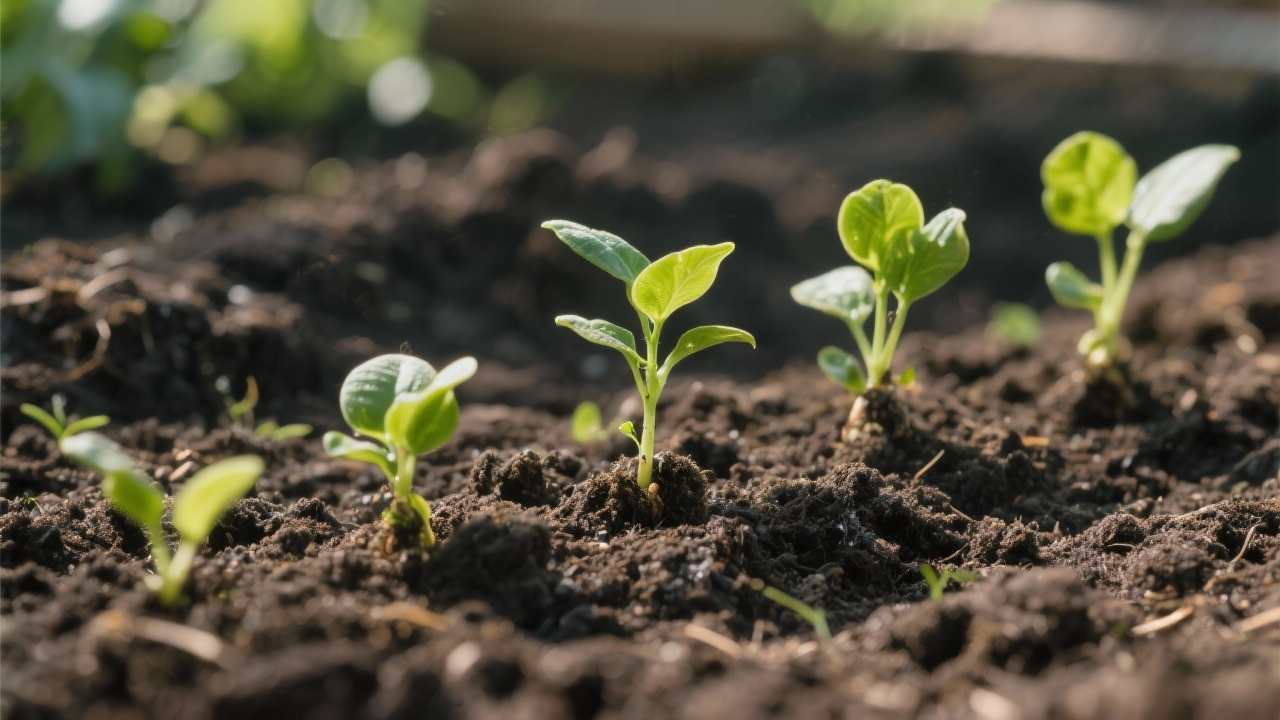
For a successful establishment, plant your Tomato Marmande seedlings in the vegetable garden once all risk of frost has passed and the weather has stabilized. The ideal period is when air temperatures consistently remain above 15°C and the soil has warmed to at least 14°C. Prepare your plot by carefully removing all weeds and loosening the earth to a depth of about 30 cm. Enhance the soil's fertility by incorporating a generous amount of mature compost or a quality enriched soil, creating a rich and well-drained foundation. Before moving them to their final location, it is crucial to harden off your young plants. Over 7 to 10 days, gradually expose them to outdoor conditions; this process, known as acclimatization, strengthens them and significantly reduces transplant shock. Ensure the root ball is moist by watering the seedlings in their pots a few hours prior to planting.
Planting Technique for Successful Establishment
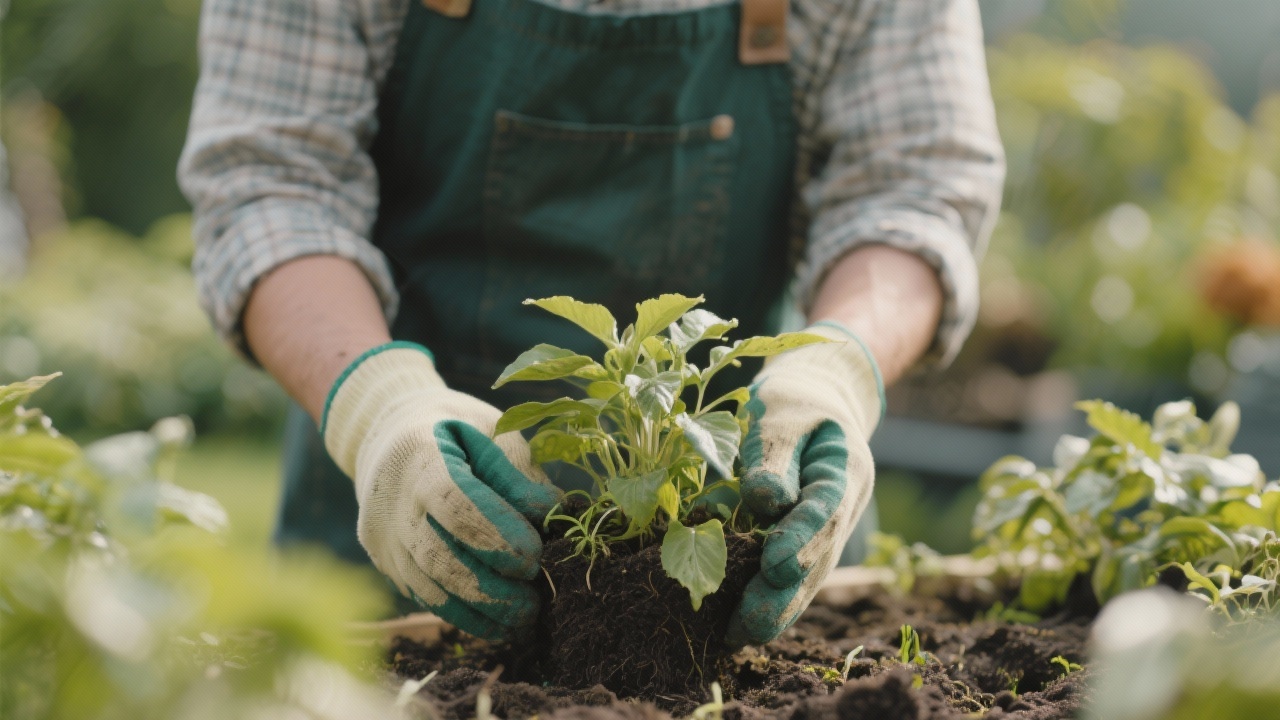
Dig a planting hole that is deeper than the seedling's container. Place your Tomato Marmande plant in the hole, burying the stem right up to the first set of true leaves. This technique encourages the formation of new adventitious roots along the buried stem, leading to a more vigorous and resilient plant. Lightly firm the soil around the base and water generously to settle the earth and ensure excellent root-to-soil contact. Adhere to a final spacing of 50 to 60 cm between plants within a row and allow 80 cm between rows to ensure good air circulation. Immediately apply a thick layer of organic mulch, such as straw or compost, around the base of each plant. This mulch will conserve soil moisture and suppress weed growth. Finally, install a sturdy stake or tomato cage at the time of planting to provide support without disturbing the future root system.
Key takeaway
- Temperature : Maintain 20-25°C for optimal growth.
- Humidity : Moderate humidity for healthy development.
- Light : Full sun (6-8+ hours daily).
- Transplanting : When 2-3 sets of true leaves.
Conditions and Preparation for Planting Tomato Marmande
For optimal establishment and **successful regrowth** of your 'Marmande' tomato plants, aim for late spring planting, well after any frost risk. Ensure air temperatures consistently exceed 15°C and soil temperatures are above 12°C. Prepare your chosen **vegetable gardening** site by weeding and deeply loosening the soil. Incorporate ample **mature compost** or enriched organic soil for a nutrient-rich foundation, aligning with sound **organic farming** practices. Young plants require a 7 to 10-day acclimatization phase outdoors to harden them. Just before transplanting, gently prune circling roots or untangle them, ensuring the root ball is moist.
Planting and Installation of Tomato Marmande Seedlings
When **planting** 'Marmande' tomato seedlings, place them deeply, burying the stem up to the first true leaves. This encourages strong adventitious roots, vital for robust anchorage and **successful regrowth**. Gently firm the soil around each plant, then create a small basin and **water thoroughly** to settle. Maintain optimal spacing: 60 to 80 cm between plants and 90 to 120 cm between rows, ensuring good air circulation for your **vegetable gardening**. Immediately apply organic mulch (straw or wood chips) around seedlings to conserve moisture and suppress weeds – a key aspect of sustainable **organic farming**. Install sturdy stakes or tomato cages at planting time to provide essential support as 'Marmande' plants mature.
Key takeaway
- Depth: Bury stem up to first true leaves.
- Espacement: 60-80 cm between plants, 90-120 cm rows.
- Watering: Thorough watering immediately; maintain regular moisture.
- Mulching/ Protection: Organic mulch (straw/wood chips); stake at planting.
Managing Plant Growth and Vigor for Tomato Marmande
For robust growth, consistent watering is paramount for 'Marmande' tomatoes, especially from flowering through fruiting. Deep, regular irrigation, ideally 2-3 times weekly depending on environmental factors, prevents water stress and promotes healthy fruit development. Aim for thorough soil saturation, allowing the top layer to dry slightly between applications. Sustainably nourish plants with balanced organic fertilizers; incorporate compost or granular amendments at the start of the season, then supplement with liquid feeds like diluted compost tea every 2-3 weeks to support fruit production, adhering to an ecological gardening approach. Regular hoeing around plants aerates the soil and manages weeds effectively. Maintaining a generous layer of organic mulch significantly conserves soil moisture, suppresses weeds, and moderates soil temperature, reducing the need for extensive vegetable garden maintenance. As an indeterminate variety, 'Marmande' requires sturdy staking or caging to support its heavy fruit load. Strategic pinching of suckers (side shoots) redirects plant energy towards fruit development and main stem vigor, without excessive pruning.
Health Protection and Environmental Balance
Proactive plant maintenance includes vigilant daily monitoring for early warning signs of plant diseases, such as leaf discoloration or unusual spots, and the presence of common garden pests like aphids or spider mites. An integrated and ecological protection strategy prioritizes prevention: encourage beneficial insects and improve air circulation through proper spacing and minimal pruning. Only intervene with gentle, organic solutions like insecticidal soaps when pest populations reach thresholds. Effective management of climatic conditions involves ensuring adequate airflow to reduce humidity and prevent fungal issues, and providing temporary shade during intense heatwaves to protect fruits from sunscald. Implementing long-term crop rotation, ideally a 3-4 year cycle, is crucial for breaking disease cycles and maintaining soil health. Strategic intercropping with compatible plants can further deter pests and enhance the overall balance and resilience of the vegetable garden.
Key takeaway
- Type of soil : Light, well-drained, humus-rich soil, pH 6.0-6.8
- Care : Stake semi-determinate vines, prune suckers, support heavy fruit trusses, feed bi-weekly
- Watering : Deep watering 1-2x/week at base, consistent moisture, avoid waterlogging
- Prevention : 5-8 cm organic mulch, copper spray preventive, remove lower foliage, rotation
Harvest Time and Conditions
Determining the optimal moment for the harvest of the Tomato Marmande is crucial for ensuring flavour and texture. The primary indicator of maturity is the fruit's deep, vibrant red colour, although some varieties may retain greenish shoulders even when perfectly ripe. A ripe tomato will feel firm but yield slightly to gentle pressure. Generally, the first fruits are ready approximately 65 to 80 days after planting. For best results, picking should be done in the morning, after the dew has evaporated but before the midday heat sets in, which helps maintain the fruit's firmness. This practice, a cornerstone of good agricultural practices, also reduces thermal stress on the plant. In the peak season, a daily visit to your vegetable garden is recommended, as regular picking encourages further fruit production, a rewarding aspect of organic farming.
Methods, Handling, and Storage
To preserve the quality of these fresh fruit and vegetables, use clean and sharp cutting tools, such as pruning shears or a small knife, to snip the stem just above the calyx. Pulling the fruit by hand can damage both the tomato and the plant. Handle each tomato with care, placing them in a single layer in a shallow container to prevent bruising and limit the risk of oxidation. After picking, sort the fruits, setting aside any that are damaged or overripe for immediate use. Proper preservation begins with avoiding direct sunlight post-harvest to initiate a natural pre-cooling. For optimal storage, keep Marmande tomatoes at a room temperature between 12°C and 20°C, away from direct light. Avoid refrigeration, as cold temperatures destroy their delicate aromatic compounds. Under these conditions, with a relative humidity or hygrometry of around 85-90%, they will keep their freshness for several days.
Key takeaway
- Period : 65-80 days after planting
- Stage : Deep red, firm but slightly yielding
- Method : Snip stem above calyx with sharp tool
- Storage : 12-20°C, dark, avoid refrigeration, few days
The Culinary Versatility of Marmande Tomatoes
The Marmande tomato, a cornerstone among classic garden vegetables, offers a robust and balanced fresh flavor, characterized by a harmonious blend of sweetness and acidity. Its substantial, juicy, and fleshy texture makes the fruit exceptionally versatile for a myriad of culinary preparations. It shines when enjoyed raw, sliced into vibrant salads, layered in sandwiches, or as the star of a simple bruschetta. For satisfying home cooking, its hearty nature holds up beautifully when sautéed into quick pan sauces, simmered for longer durations (30-60 minutes) in rich stews and chunky vegetable recipes, or roasted slowly in the oven to intensify its natural sweetness and develop a deep umami essence. Its delightful flavor combinations pair exquisitely with fresh basil, pungent garlic, a drizzle of quality olive oil, and sharp cheeses, enhancing everything from pasta dishes to Mediterranean-inspired tarts.
Seasoning, Nourishment, and Preservation
To fully appreciate the Marmande tomato, thoughtful seasoning is key. A dash of fine sea salt, freshly ground black pepper, a robust olive oil, and a splash of balsamic or red wine vinegar are often sufficient to elevate its intrinsic qualities. Fresh herbs like oregano, thyme, or chives further complement its profile, while a squeeze of lemon brightens its tang. Beyond its superb taste, this cherished fruit boasts excellent nutritional value, providing beneficial fiber, essential vitamins (C, K), potassium, and potent antioxidants like lycopene, making it a healthy addition to any meal. For optimal enjoyment, ensure consumption when fully ripe, as this is when its full flavor and texture are achieved. Regarding storage, short-term preservation is best at cool room temperature away from direct sunlight; refrigeration can dull its vibrant flavor and firm texture. For long-term solutions, Marmande tomatoes are ideal for freezing (whole, chopped, or puréed), canning into sauces or crushed tomatoes, drying for concentrated flavor, or even lacto-fermentation for a unique tangy accent.
Key takeaway
- Flavor Profile : Classic sweet-acidic, rich, full-bodied; meaty, ribbed, juicy
- Classic Uses : Raw thick slices, Provençal stuffed tomatoes, sauces, gratins
- Pairings : Garlic, olive oil, herbes de Provence, onion, mozzarella, basil
- Storage : Room temperature up to 1 week, ideal for canning and preserving

Companion plants